

Struggling with high cooling costs for your building projects? Unreliable commercial HVAC systems can ruin your budget. Let me show you how to buy smart and save money.
To maximize ROI on commercial central air conditioning, buyers must evaluate total ownership costs, not just upfront prices. The best strategy involves matching cooling capacity accurately, selecting durable units with high energy efficiency ratings, and partnering with reliable manufacturers that offer low minimum order quantities and OEM customization.
Finding the right commercial cooling equipment is not easy. Most buyers only look at the price tag. I see this all the time. But if you want to protect your profit margins, you must look deeper. Let us break down the exact steps you need to take to make the best choice for your next large project.
How to Size Your Central Air Conditioning System to Match Commercial Demands?
Guessing your building cooling load leads to wasted energy or hot rooms. Over-sized units cost too much money to run. It is time to calculate exactly what you need.
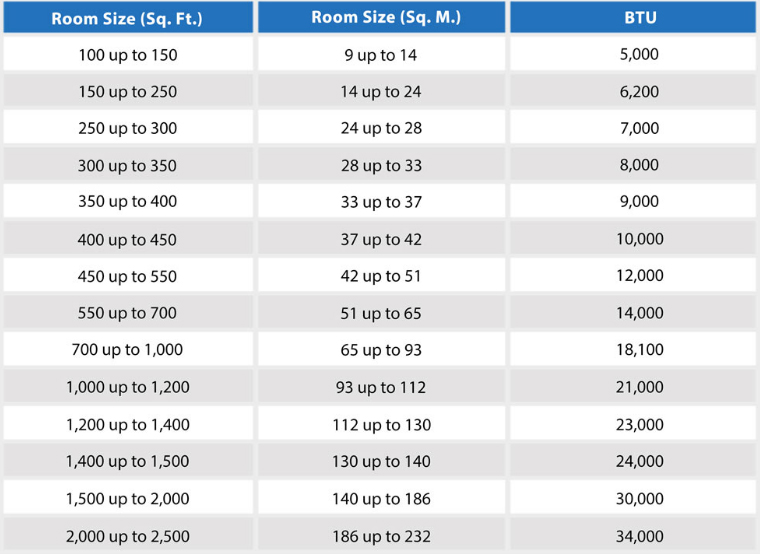
Sizing a commercial central air conditioning system requires calculating the exact BTUs and tonnage1 needed for your building size, layout, and climate. Proper capacity matching prevents energy waste, reduces wear on HVAC components, and ensures consistent air distribution across all zones.
The Importance of Accurate Cooling Loads
When I talk to procurement managers, they often buy the biggest unit they can afford. They think more power is better. This is a big mistake. Oversized commercial heating and cooling systems turn on and off too fast. This breaks the compressor and leaves the air feeling wet. Undersized units run all day and never cool the room. You need the perfect middle ground.
For projects in hot areas like Latin America and South Africa, climate plays a huge part in climate control sizing. We have to look at the number of windows, the roof type, and how many people use the space every day. Accurate load calculations save money on power bills and stop equipment from breaking early.
Here is a simple guide to help you think about central cooling sizing:
| Building Type | Average Size | Cooling Capacity Need | Focus Area |
|---|---|---|---|
| Small Office | 2,000 sq ft | 4 to 5 Tons | Quiet operation, easy control |
| Retail Store | 5,000 sq ft | 10 to 12 Tons | Even airflow, door drafts |
| Large Hotel | 20,000+ sq ft | Multi-zone VRF systems2 | Room control, energy saving |
What is the Best Central Air Conditioning Vendor Checklist for Efficiency, Durability, and OEM Customization?
Choosing the wrong HVAC supplier ruins project timelines. Poor quality leads to angry clients. You need a strict checklist to find the right factory partner.
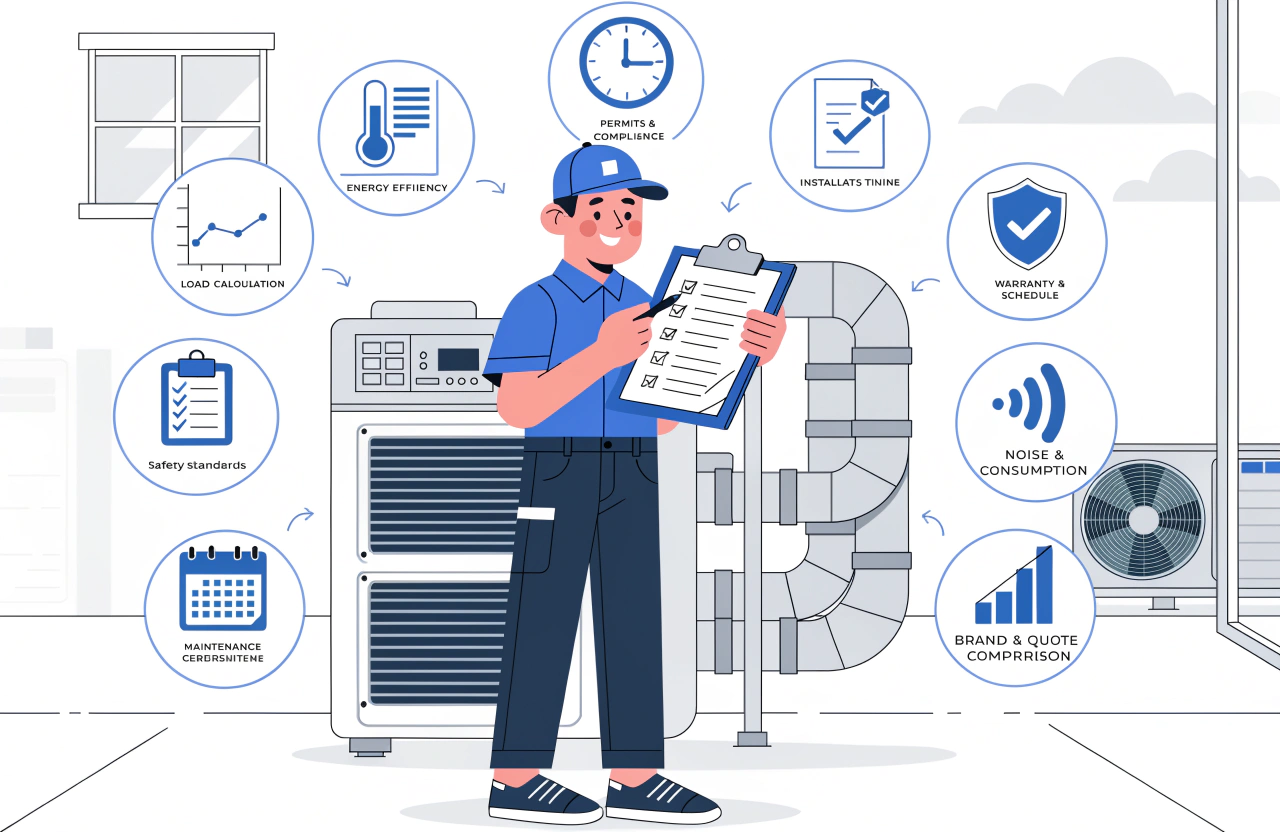
A strong central air conditioning vendor checklist prioritizes high SEER energy efficiency ratings3, heavy-duty durability for tough climates, and flexible OEM/ODM customization. Working with a factory backed by top-tier brands guarantees quality control and long-term reliability for your commercial installations.
Avoid Hidden Supply Chain Costs
In my years running iClima, I have found a major trap for B2B buyers. The biggest mistake is only looking at the "single unit cost" and ignoring "hidden supply chain costs." Cheap air conditioners from unverified factories often break do in shipping. They also fail public project compliance tests. As a buyer for government projects or large corporate buildings, you cannot take this risk.
This is why I always tell my clients to check the factory background. At iClima, we are an official partner with TCL. This means our split systems and light commercial units share top-level quality control. Also, distributors can use our OEM and ODM services. This means you can put your own brand name on high-quality equipment. By building your own brand, you escape cheap price wars and make more profit.
Here is what you must check when picking a factory:
| Vendor Feature | Why You Need It | My Advice |
|---|---|---|
| Top Brand Backing | Ensures steady quality and passes local laws | Look for factories partnered with names like TCL. |
| OEM/ODM Service | Helps you build a private brand to control prices | Ask if they can design custom panels and boxes. |
| Energy Ratings | Saves power and fits government rules | Check the SEER parts for the specific country. |
How to Optimize Central Air Conditioning Supply Chains using Low MOQ for Phased Installations?
Massive order minimums tie up your cash. Delays at the port freeze your construction. You need a flexible supply chain that moves at your project speed.
Optimizing central air conditioning supply chains involves partnering with B2B manufacturers4 that offer a low Minimum Order Quantity (MOQ). This allows contractors to order HVAC equipment5 in batches for phased installations, reducing warehousing costs and keeping project cash flow healthy.

Using Low MOQ to Win More Projects
Big air conditioning factories normally force you to buy thousands of units at once. If you are building a hospital or a huge hotel, you do not need all the units on day one. You install the ductwork first, then the outdoor units, and then the indoor air handlers. Buying everything at once wastes your storage space and drains your bank account.
I built my business around a low MOQ model because I saw buyers crying over dead cash flow. With low MOQ, you can buy a small trial batch for a government pilot project. Once the government approves the quality, you order the rest as you build. This is very helpful for corporate buyers and local wholesalers in Africa and South America. They can test new cooling products without taking big financial risks.
Here is how low MOQ changes your daily work:
| Business Problem | Traditional High MOQ | Low MOQ Solution (iClima) |
|---|---|---|
| Cash Flow | All money spent on day one. | Pay in steps as the project grows. |
| Storage Space | Need giant warehouses to store ACs. | Machines arrive right when you need them. |
| Product Testing | Big loss if the market hates the brand. | Order 200 units, test the market, then scale up. |
Conclusion
Smart commercial central air conditioning procurement goes beyond single unit prices. Focus on reliable suppliers with top-tier backing, use low MOQ, and build your brand through OEM to increase profits today.
-
Find calculators, examples and standards to size BTUs and tonnage accurately to avoid costly oversizing or underperformance. ↩
-
Learn VRF design, energy savings, and real-world hotel case studies to choose and size multi-zone systems correctly. ↩
-
Understand official SEER definitions, regional minimums, and real-world savings to pick compliant, energy-efficient commercial units. ↩
-
Locate vetted suppliers with flexible MOQ and fulfillment options to enable phased deliveries and protect your project cash flow. ↩
-
Discover sourcing strategies, batch-ordering tips, and logistics to reduce storage, costs, and risk when buying HVAC equipment. ↩