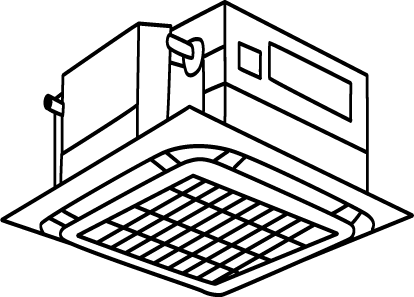
Finding reliable suppliers for different HVAC types is a headache. You waste time managing multiple contacts, shipments, and quality standards, which hurts your profit margins and operational efficiency.
Optimizing your procurement strategy starts with consolidating your residential and light commercial AC orders with a single, capable manufacturer like iClima. This approach reduces supply chain fragmentation, lowers administrative costs, and enables mixed-container shipping, allowing you to test diverse markets without heavy inventory risks.
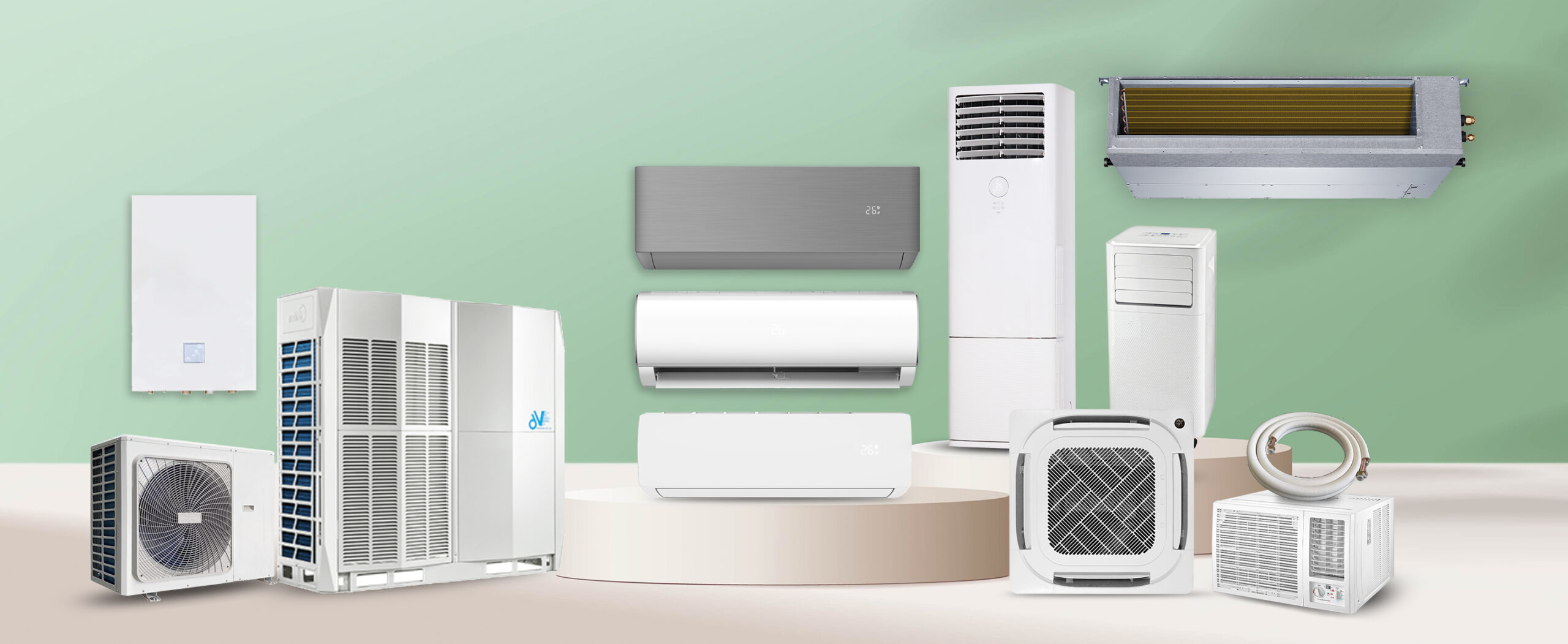
Many buyers believe they must source residential units from one factory and commercial units from another. This is not true. Managing separate supply chains adds unnecessary complexity to your business. When you buy split systems from one vendor and cassette units from another, you double your paperwork and logistics trouble. I have seen many distributors struggle with this fragmentation. Instead, simplify your process. Let’s look at how combining these product lines with one partner benefits you technically and financially.
Residential vs. Light Commercial ACs: What Are iClima’s Technical and Application Differences?
Your customers have specific needs, and offering the wrong product can damage your reputation. Confusion between residential and commercial specifications often leads to improper installations and warranty claims.
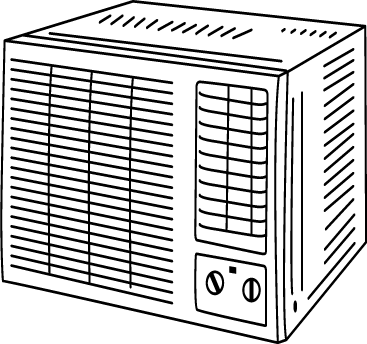
The main technical difference lies in capacity and durability. iClima’s residential units (like Split and Window ACs) prioritize quiet operation and energy efficiency1 for homes, typically ranging from 9,000 to 24,000 BTU. Our Light Commercial units (Cassette, Floor Standing) handle higher loads, usually 36,000 BTU and above, designed for larger spaces like offices and shops with continuous usage.
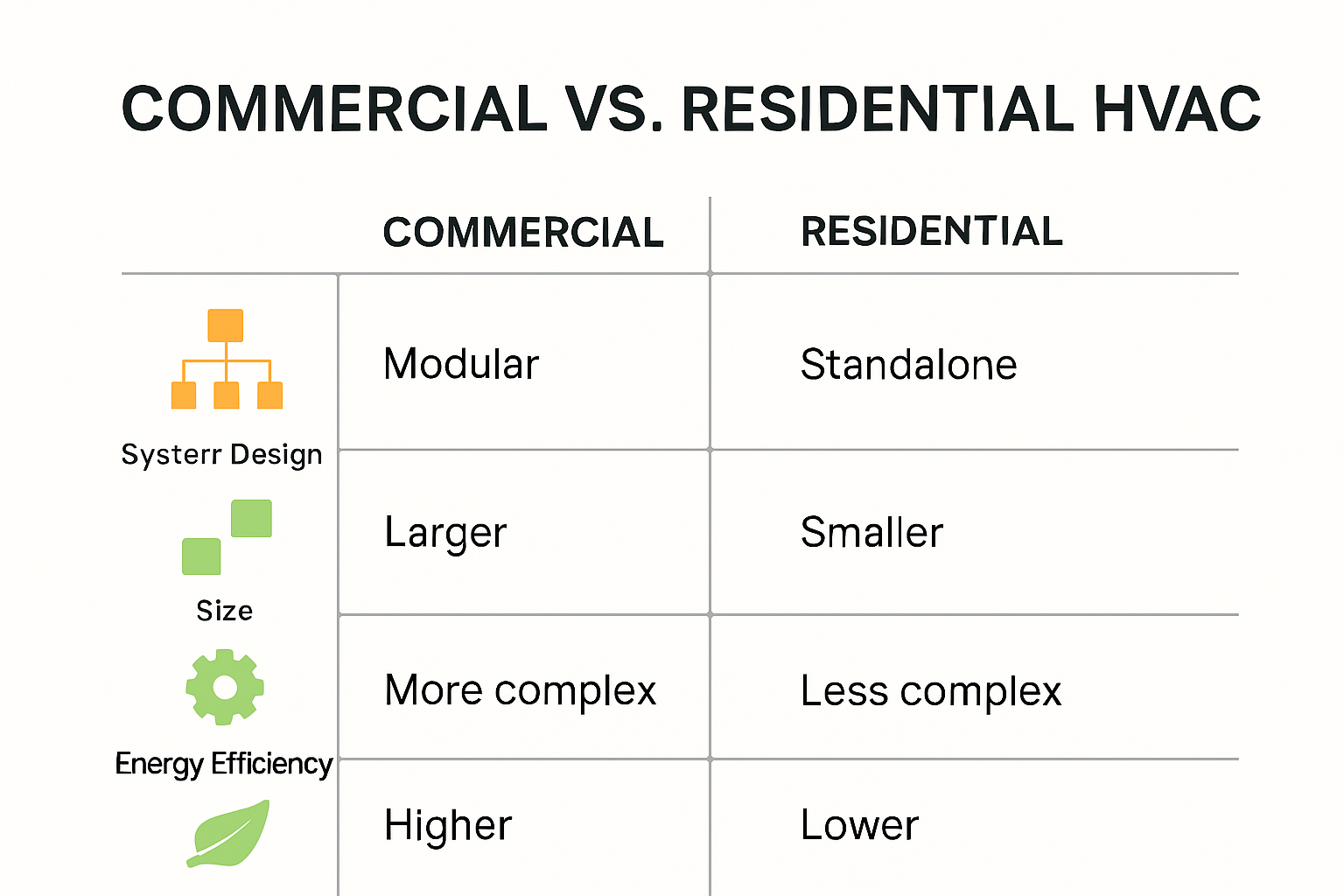
Understanding these distinctions helps you stock the right mix for your market. As a manufacturer, I see the internal differences daily. Residential units are built for comfort. We focus on low noise levels and aesthetic designs that fit into living rooms. The internal components are optimized for intermittent use.
Light commercial units are workhorses. They need robust compressors and larger heat exchangers. For exampe, a restaurant needs an AC that runs for 12 hours straight. A standard bedroom unit will fail under that pressure. We design our light commercial series to withstand these demands.
Here is a breakdown of how we structure these product lines:
Key Differences at a Glance
| Feature | Residential AC (Split/Window) | Light Commercial AC (Cassette/Floor Standing) |
|---|---|---|
| BTU Range | 9,000 – 24,000 BTU | 24,000 – 60,000+ BTU |
| Primary Use | Homes, Small Apartments | Offices, Restaurants, Hotels, Schools |
| Durability Focus | Comfort & Noise Reduction | High Load & Continuous Operation |
| Installation | Wall-mounted or Window | Ceiling (Cassette) or Floor Standing |
| Control Logic | User-focused (Remotes/WiFi) | Centralized or Wired Controllers |
When you source both types from iClima, you ensure consistent quality control across both categories. We use the same rigorous testing standards found in our TCL partnership protocols. You do not worry about one batch being good and the other failing.
Why Does a One-Stop Sourcing Strategy with iClima Cut Costs for Distributors and Contractors?
Buying from multiple factories kills your cash flow. You pay multiple deposits, manage disparate shipping schedules, and face higher Minimum Order Quantities (MOQs) for each separate supplier.
A one-stop sourcing strategy cuts costs by allowing you to combine different SKU types into a single shipment. At iClima, we support mixed-container loading, meaning you can order split ACs and light commercial units together to meet a lower total MOQ, reducing your warehousing costs and shipping fees significantly.
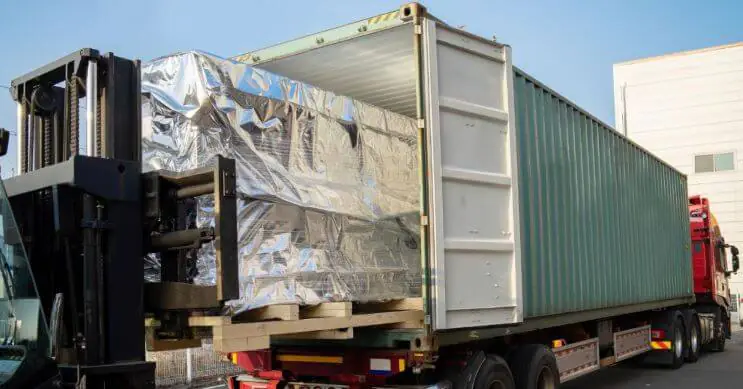
Let’s talk about the real cost of fragmentation. I often talk to distributors in South Africa who used to buy split units from Supplier A and floor-standing units from Supplier B. They had to wait to fill a full container for each supplier to get a good price. This tied up their capital for months.
At iClima, my goal is flexibility. I understand that you might not need 500 light commercial units at once. Maybe you only need 50 for a specific hotel project, but you also need 300 split units for retail stock. We allow you to put them in the same container.
The Financial Impact of Consolidation
By consolidating, you gain several advantages that directly improve your bottom line:
- Reduced Logistics Admin: You deal with one set of export documents, one customs clearance, and one shipping agent. This saves hours of administrative work.
- Inventory Optimization: You do not need to overstock slow-moving items just to meet a factory’s MOQ. You buy exactly what you need for the next quarter.
- Better Payment Terms: Building a larger volume relationship with one supplier (me) often leads to better negotiation power on payment terms compared to splitting small orders across five vendors.
This strategy is especially powerful for contractors working on mixed-use developments. You can order the exact bill of materials for a specific project—apartments and lobby ACs—all from us in one go.
How Do We Meet 2025 Market Demands with High-Efficiency and Custom HVAC Units for SA and LatAm?
Regulations are getting stricter, and energy prices are rising in South Africa and Latin America. Selling outdated, power-hungry units is becoming impossible and will hurt your long-term sales.
To meet 2025 demands, iClima provides high-efficiency inverter technology2 that meets new energy standards in SA and LatAm. We also offer full ODM/OEM customization3, allowing you to brand these high-performance units as your own, giving you a competitive edge against generic sellers.
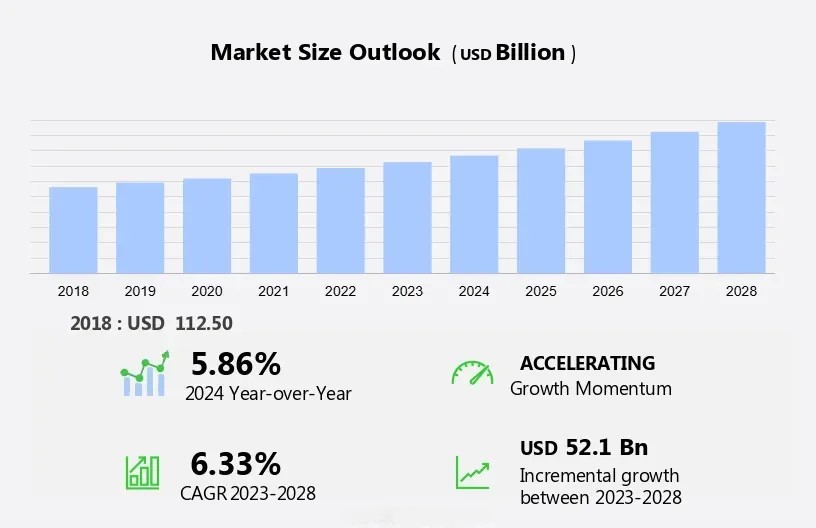
The market is shifting fast. In regions like South Africa and Latin America, electricity stability and cost are major concerns. End-users want lower electricity bills. They are asking for Inverter technology, not just the cheapest unit on the shelf.
I have aligned our production lines to focus on SEER (Seasonal Energy Efficiency Ratio4) improvements. We are not just assembling parts; we are optimizing the system logic to save power. But efficiency is only half the battle. Brand identity is the other half.
Customization for Market Dominance
Distributors often struggle with low margins because they sell the same big brands as everyone else. I help you break this cycle through ODM (Original Design Manufacturing) and OEM (Original Equipment Manufacturing).
- Private Labeling5: We put your logo on the unit, the remote, and the box. You build your asset, not mine.
- Regional Tuning: We can adjust specific components based on your climate. For example, if you are in a coastal area of Latin America, we can apply anti-corrosion coatings (Gold Fin) to the condensers.
- Voltage Customization: We ensure the units match the specific voltage fluctuations common in your target markets, protecting the equipment from damage.
By 2025, the winners will be the distributors who own their brand and offer energy-efficient solutions. My team and I are ready to help you specificy these products now, so you are ready when the demand peaks.
Conclusion
Consolidating your residential and commercial purchasing with iClima simplifies logistics, lowers inventory risk, and prepares you for future energy demands with custom, high-quality, and efficient solutions.
-
Explore how energy efficiency can save costs and improve comfort in your home or business. ↩
-
Explore the advantages of high-efficiency inverter technology to understand how it can reduce energy costs and improve performance. ↩
-
Learn how ODM/OEM customization can enhance your brand identity and profitability in the competitive HVAC market. ↩
-
Discover the significance of SEER ratings in HVAC systems and how they impact energy efficiency and cost savings. ↩
-
Find out how private labeling can help you build a unique brand and increase your market presence in the HVAC industry. ↩