Are rising energy costs hurting your clients’ budgets? You might lose bids to cheaper, greener systems. Heat pumps are the answer to saving money and winning more projects.
Sourcing commercial heat pump systems allows B2B buyers and distributors to offer energy-efficient heating and cooling solutions. By partnering with a reliable manufacturer, you can secure low MOQs, ensure compliance, and leverage strong supply chain backing to win large government and commercial tenders in emerging markets.
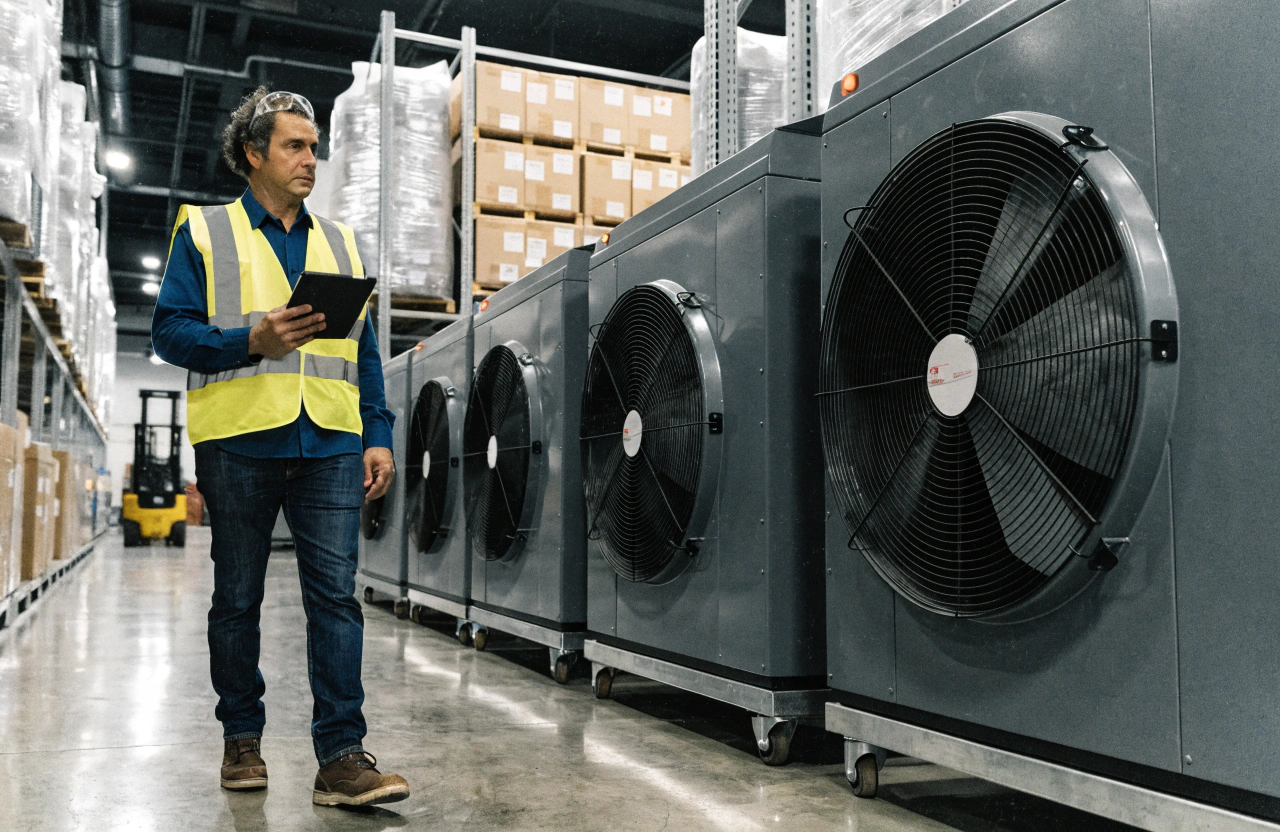
As a business owner at iClima, I talk to B2B buyers every day. The shift to new cooling and heating technology can feel confusing. Let me walk you through how to source these systems safely and grow your business without taking huge risks.
How Does Heat Pump Technology Drastically Lower Operating Costs for Large-Scale Projects?
High electricity bills destroy commercial budgets. If your clients use old systems, they bleed money every day. Heat pumps1 move heat instead of creating it, cutting energy use fast.
Heat pump systems lower operating costs2 by transferring existing heat in the air, which uses significantly less electricity than standard heating elements. This high energy efficiency directly cuts utility bills, making them the most cost-effective choice for large hotels, hospitals, and government buildings over time.
Understanding the Energy Crisis and Client Needs
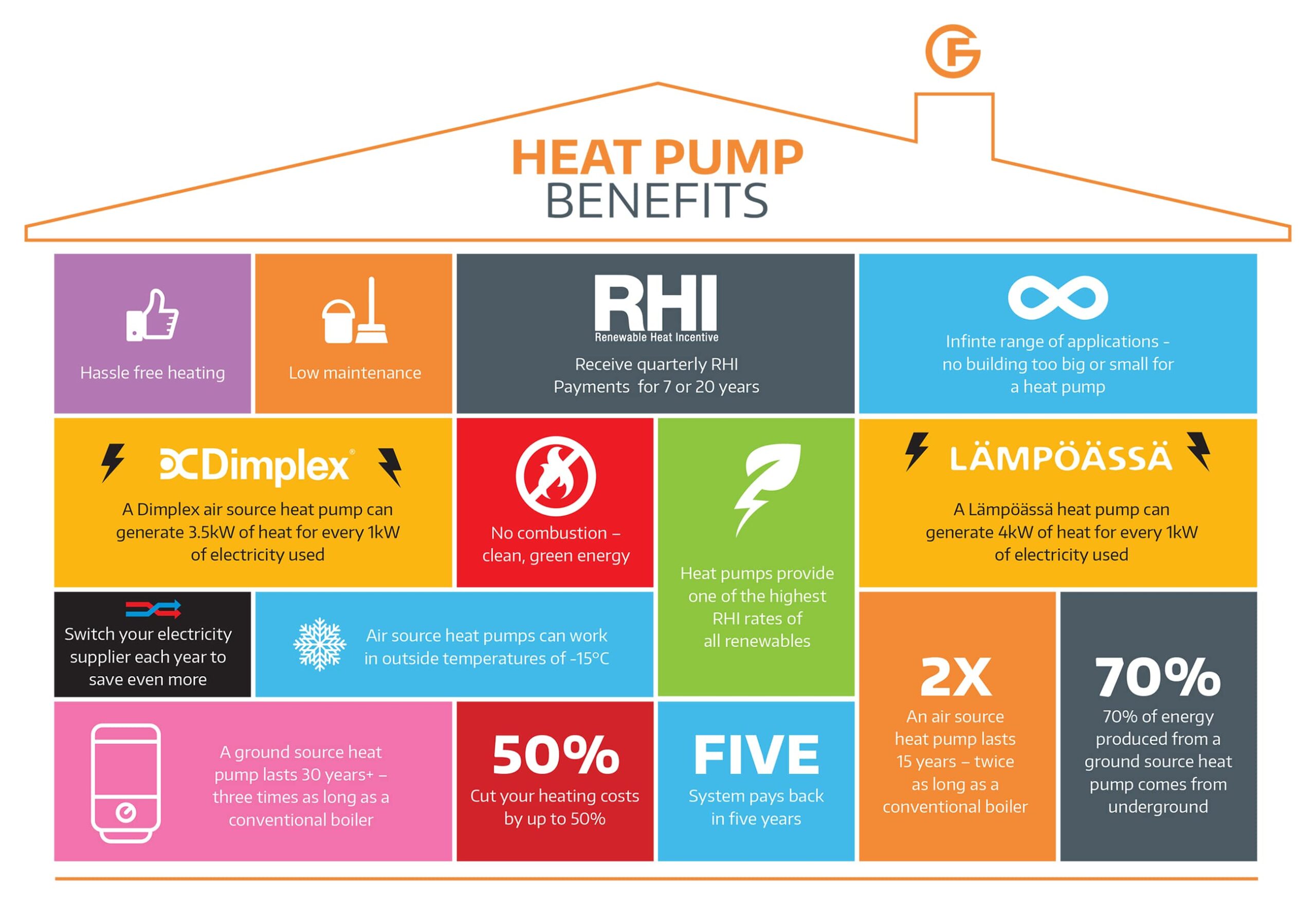
I speak with procurement managers in Latin America and South Africa very often. Right now, they all face the exact same problem: energy costs are going up fast. Because of this, the demand for high-efficiency heat pump systems is right on the edge of a massive boom.
When you bid for large-scale projects like hotels or public public buildings, the buyers care about the long-term running costs. They do not just buy an AC unit. They buy a financial tool to save money. By offering heat pump systems, you fix their biggest pain point directly.
To help my clients understand this better, I often break down the basic differences in operations.
| Feature | Traditional Heating Systems | Commercial Heat Pump Systems |
|---|---|---|
| Energy Source | Burns fuel or uses heavy electric heat | Moves existing heat from the air |
| Operating Cost | Very high due to high power draw | Much lower due to high efficiency |
| Best Application | Areas with very low initial budgets | Large projects needing long-term savings |
Show your clients this data. Once they see the daily savings, the decision becomes very easy for them.
Traditional AC vs. Heat Pump Systems: How Should Distributors Optimize Their Inventory?
Buying too much stock ties up your cash. If new systems do not sell fast, your money is stuck. Smart inventory tracking with low risk is the only way.
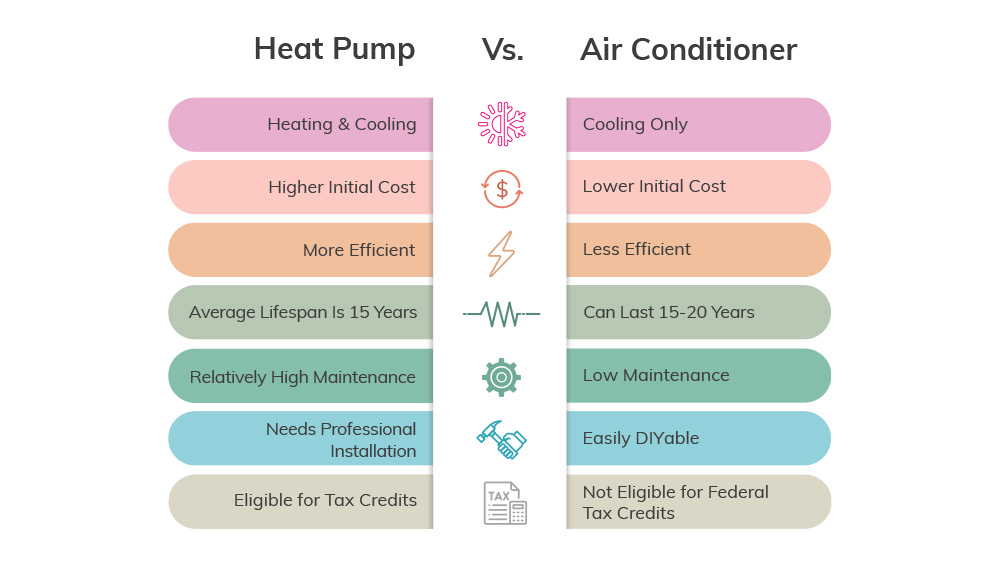
Distributors should optimize inventory by keeping traditional AC units for standard demands, while introducing heat pumps in small batches. This balanced approach reduces financial risk and allows you to test local market acceptance before committing to large bulk orders of new heating technology.
Smart Purchasing Strategies for Distributors
Many wholesalers tell me they are afraid to buy heat pumps in massive bulk. Direct, large-scale purchasing carries a huge inventory risk for them. I completely understand this fear. You never want to have dead stock sitting in your warehouse for months.
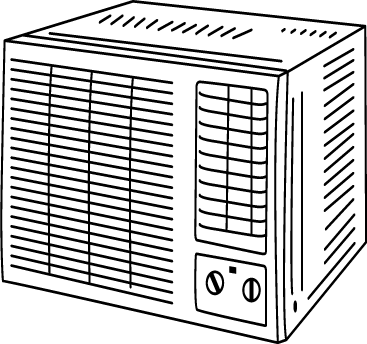
To solve this, I strongly suggest using iClima’s Low Minimum Order Quantity (MOQ) advantage. Do not buy one thousand units of a new product right away. Instead, bring in a small batch of heat pump units first. Use this small batch to do a regional market test. Place them next to your standard split and window air conditioners.
Here is how I suggest you structure your stock testing:
| Inventory Type | Order Size | Main Purpose | Risk Level |
|---|---|---|---|
| Traditional ACs | Large Bulk | Meet constant daily demand | Very Low |
| Heat Pumps | Low MOQ Batch | Test market reaction and pricing | Low |
| Light Commercial | Medium Batch | Target specific builder projects | Medium |
By testing small orders first, you protect your cash flow while still expanding your product lines.
Strict import rules can block your shipments. If you cannot clear customs, you lose the whole project. Customizing products safely helps you bypass standard brands and grow your own.
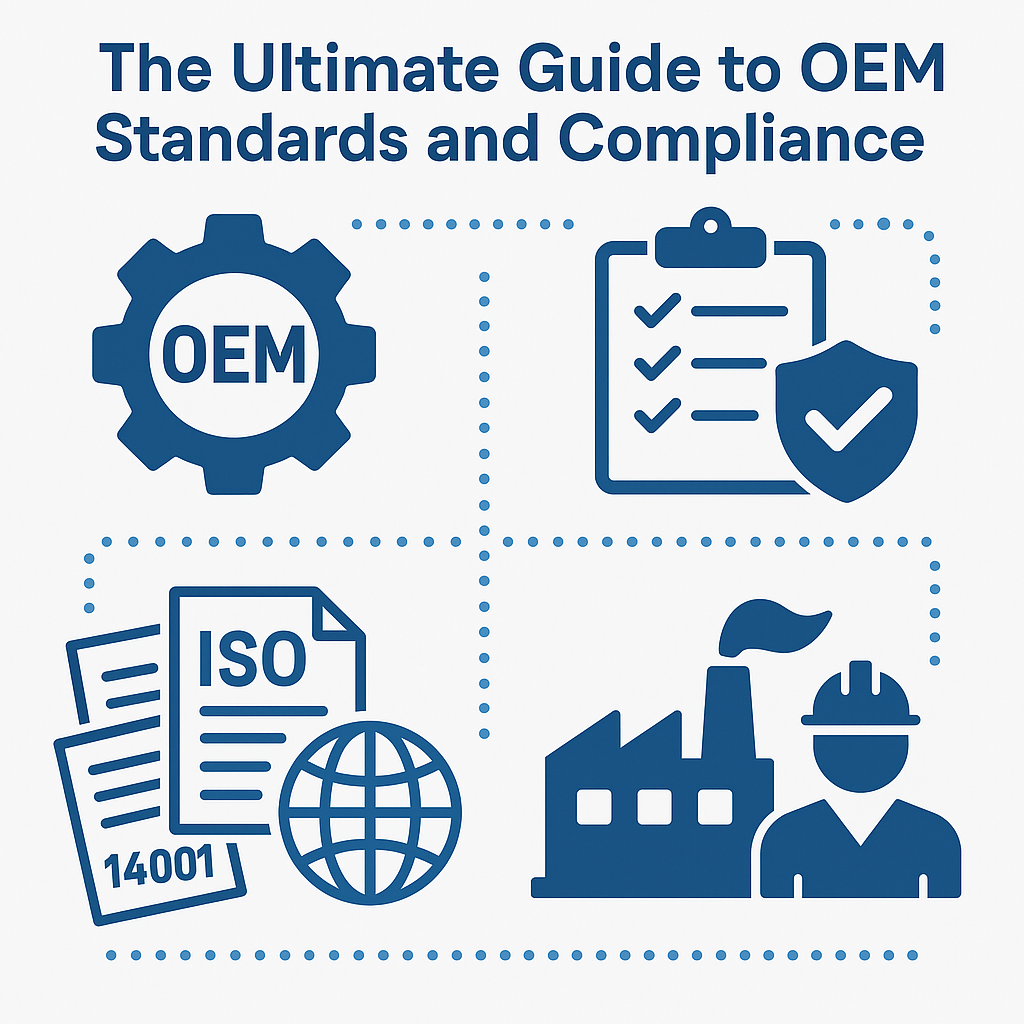
Building your brand requires meeting strict local import compliance and using OEM customization to stand out. By partnering with a factory that handles documentation and offers full private labeling, distributors secure their market share and win official tenders with reliable, legally sound products.
Winning Bids with Strong Supply Chain Backing
When you participate in official tenders for government projects or large hospital groups, the buyers are very strict. They want proof of high quality. They worry a lot about supply chain failures. If they do not trust the factory behind your brand, you will lose the bid.
I always advise my B2B clients to talk about iClima’s strong background. We are an official collaborative partner with TCL. You must emphasize this point in your tender documents. This powerful supply chain backing instantly removes the buyer’s trust concerns. It proves your products come from a top-level production system, which greatly increases your winning rate.
| Bidding Strategy | Buyer Trust Level | Result |
|---|---|---|
| Unknown factory origin | Very Low | Usually rejected |
| Mention standard factory | Medium | Often requires extra checks |
| Highlight TCL partnership | Very High | Fast approval and higher win rate |
Combine this strong trust factor with our complete OEM customization. You can build a highly respected brand that wins the biggest local commercial projects.
Conclusion
To succeed in sourcing commercial heat pumps, start with low MOQs to test the market, heavily promote our TCL supply chain reliability, and customize products to win more projects easily.