Struggling to choose the right cooling solution for your next commercial project? Confused by industry jargon and endless options? It’s time to simplify your procurement process with clear facts.
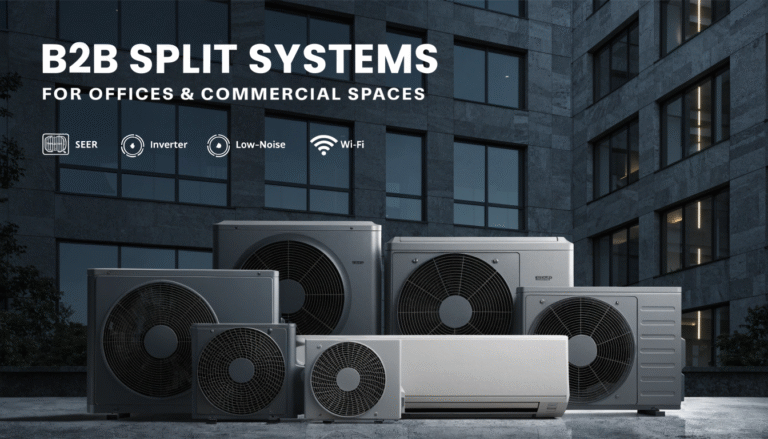
A split air conditioner is a cooling system separated into two main components: an indoor unit that blows cool air and an outdoor unit that releases heat. Connected by refrigerant piping, they offer quiet, efficient, and flexible climate control without requiring large ductwork, making them ideal for offices and hotels.
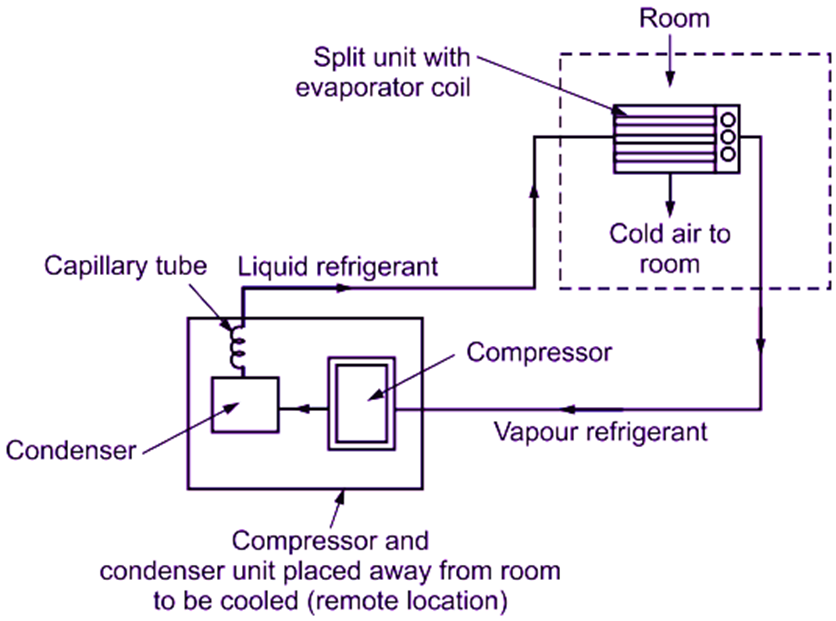
Why are these units dominating the market right now? From my experience at iClima, partnering with companies like TCL, I’ve seen how versatile these systems truly are. Whether you are a corporate distributor needing private labeling or a government buyer looking for efficiency, understanding the split system is step one. Let’s break down the specific types, the big wins, and the potential drawbacks you need to know before signing that purchase order.
What Are the 5 Different Types of Split System Cooling and Heating Systems?
Are you limiting your options by only knowing the standard wall-mounted unit? Missing out on other split system variations could cost you valuable project efficiency and design flexibility.
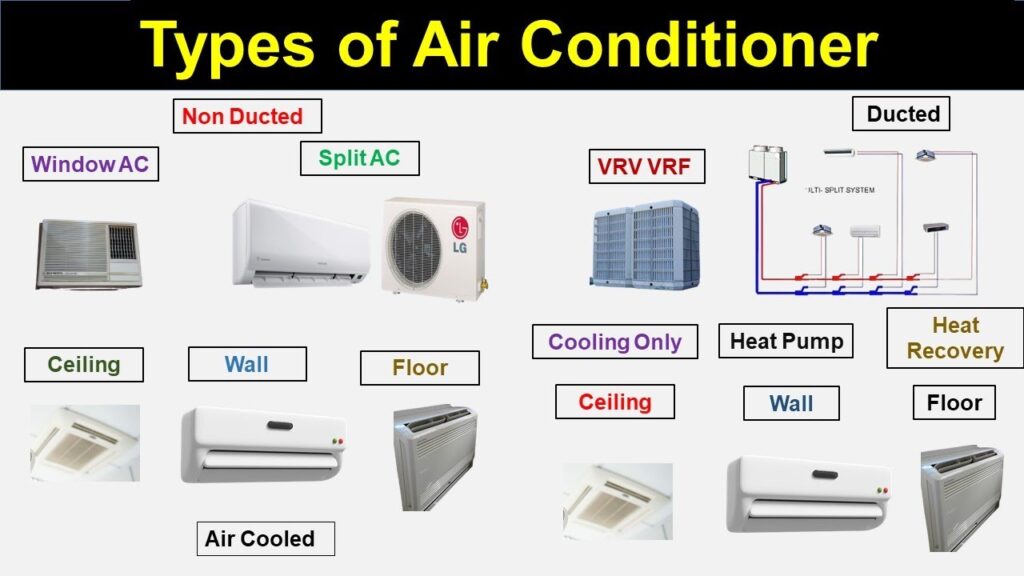
The five main types of split AC units are wall-mounted, floor-mounted, ceiling cassette1, duct-connected2, and multi-split systems3. Each type uses the same split technology but features different indoor unit designs to suit specific architectural needs, room sizes, and installation constraints in commercial or residential buildings.
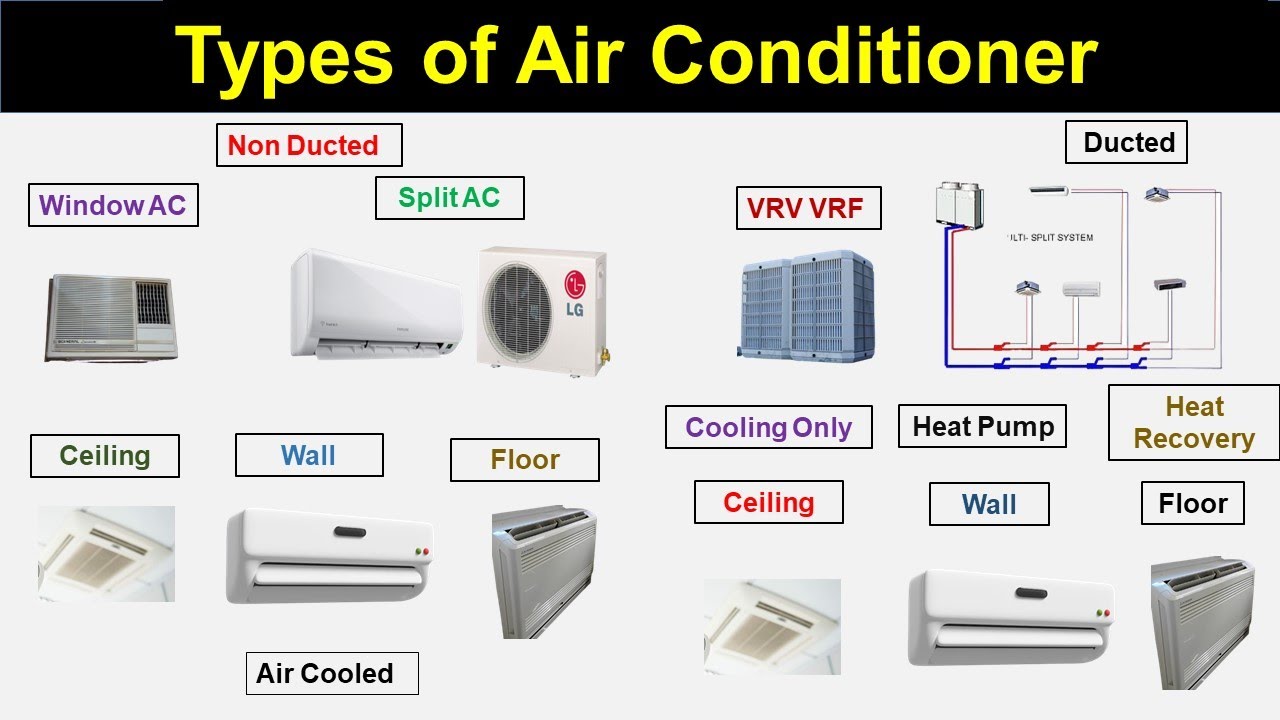
Let’s dive deeper into these variations. As a manufacturer, I see buyers often default to one type without considering the specific application. Choosing the right form factor can save installation time and improve end-user satisfaction.
Here is a breakdown of how these specific split air conditioner4 types function in a B2B context:
1. Wall-Mounted Mini-Split
This is the most common residential type. It hangs high on a wall. It is the cheapest and easiest to install. We export thousands of these to retailers in Latin America.
2. Floor-Mounted
These sit low on the wall, like a radiator. They are perfect for rooms with slanted ceilings or where high wall space is limited.
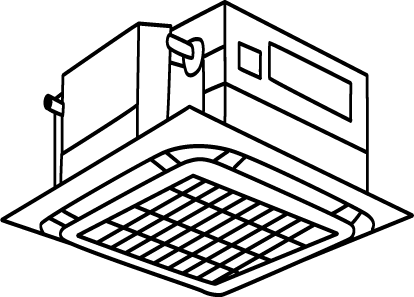
3. Ceiling Cassette
These are recessed into the ceiling. You see them often in offices or restaurants. They distribute air in four directions, providing very even cooling for large open spaces.
4. Duct-Connected (Concealed)
The indoor unit is hidden above the ceiling. Short ducts carry air to vents. This is great for hotels that want a clean, invisible look.
5. Multi-Split Systems
This allows multiple indoor units (of different types) to connect to just one outdoor unit. This saves exterior space and reduces installation complexity for apartment complexes.
| Type | Best Application | Key Advantage | iClima Insight |
|---|---|---|---|
| Wall-Mounted | Standard Hotel Rooms / Apartments | Lowest Cost | High margin for distributors. |
| Cassette | Offices / Retail Stores | 360° Airflow | High demand in government tenders. |
| Multi-Split | Large Residential Villas | Space Saving | ideal for limited balcony space. |
What Is A Split Air Conditioner’s Benefit for Your Business?
Tired of dealing with complaints about noisy, inefficient window units from your clients? Sticking to outdated cooling technology damages your brand reputation and increases long-term energy costs.
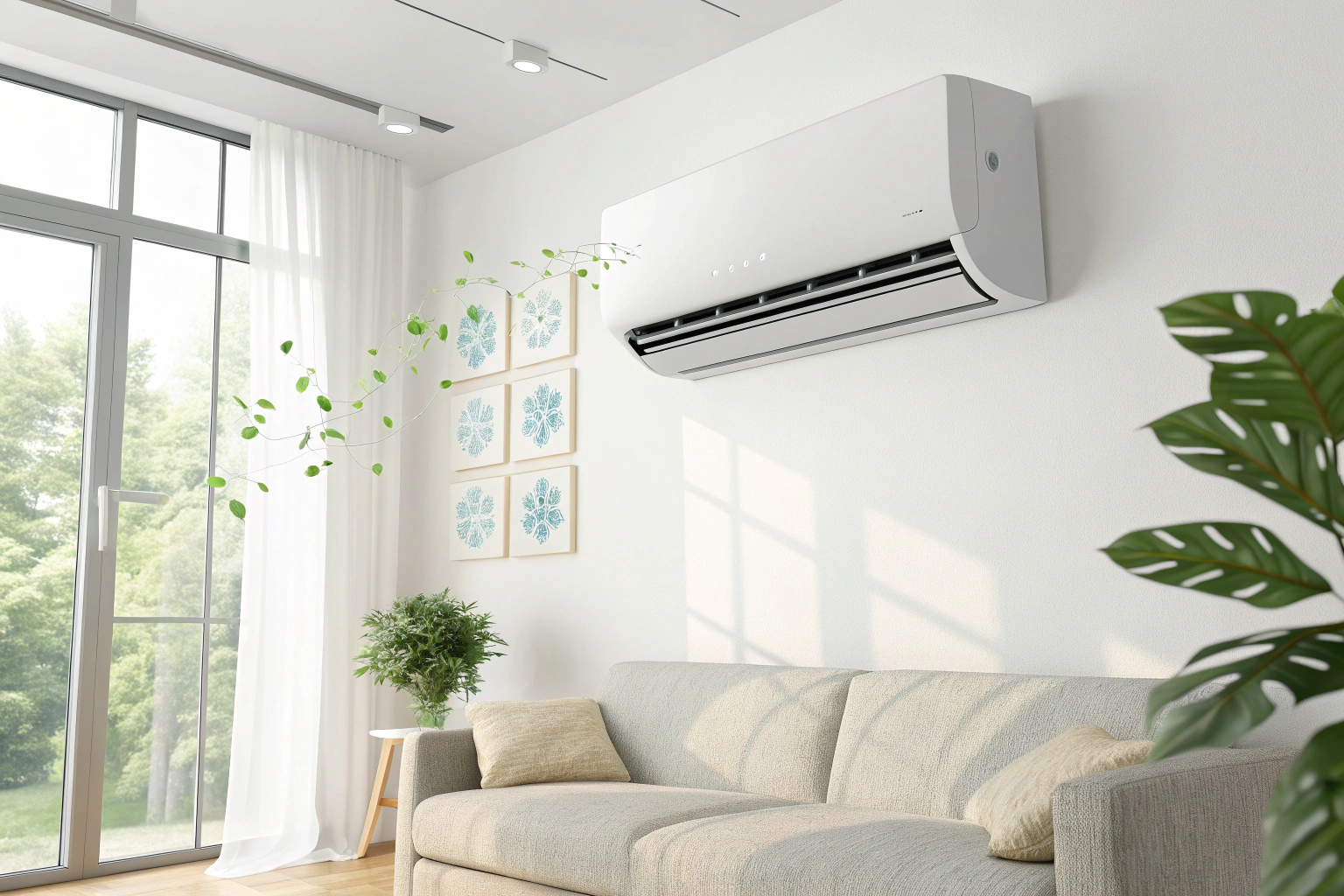
The primary benefits of a split air conditioner5 are superior energy efficiency, quiet operation, and installation flexibility. Because the noisy compressor is outside, indoor spaces remain peaceful. Additionally, the lack of ductwork prevents energy loss, lowering electricity bills significantly compared to central systems or window units.
Let’s look closer at why this matters for your procurement strategy. At iClima, we emphasize these benefits because they directly solve pain points for procurement managers and wholesalers.
Energy Efficiency and Cost Savings
In traditional central systems, you lose a lot of energy through leaky ducts. A split air conditioner eliminates this loss. For a large hotel project, switching to split units can reduce the energy bill by 30%. This is a huge selling point for developers.
ODM/OEM Customization6
Because the systems are modular, they are easier to customize. At iClima, we offer ODM and OEM services. This means distributors can create their own brand of split units. You can choose specific features or designs that fit your local market in South Africa or Latin America without huge R&D costs.
Zoning Capabilities
Split systems allow you to control the temperature in each room individually. A central system cools the whole building even if only one room is occupied. Split units stop this waste. This "zoning" is a critical requirement for modern office buildings and hotels.
Silent Operation
I cannot stress this enough: silence sells. In a B2B context, especially for hospitality buyers, noise is a dealbreaker. Split units separate the noise source (the compressor) from the user. We use high-quality compressors (thanks to our TCL partnership) to ensure our units are whisper-quiet.
What Is A Split AC Unit Downside You Should Consider?
Worried that the higher upfront cost of split systems might blow your budget? Ignoring the potential installation challenges and aesthetic concerns could lead to project delays and unexpected expenses.
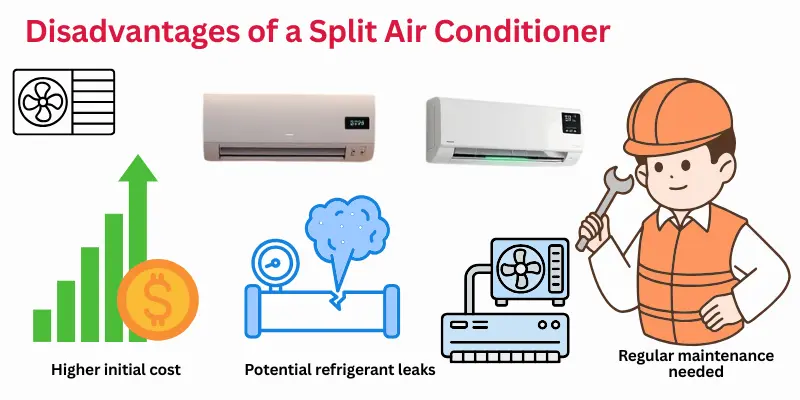
The main downsides of a split air conditioner are the higher initial purchase price and the need for professional installation. Unlike window units, you cannot simply plug them in; trained technicians must run refrigerant lines and mount the units properly to prevent leaks and ensure warranty compliance.
Honesty is key in B2B relationships. While I love our products, I tell my clients exactly what to expect. Understanding these downsides helps you plan your budget and logistics better.
Higher Initial Investment
A split air conditioner costs more than a window unit or a portable unit. For a government buyer with a strict budget for a temporary shelter, this might be an issue. However, we try to mitigate this at iClima with our Low MOQ (Minimum Order Quantity), allowing you to start with smaller batches.
Professional Installation Required7
You need skilled labor. If you are a distributor, you need to ensure your network has trained technicians. The connection between the indoor and outdoor unit involves handling refrigerant under pressure. If done poorly, the gas leaks, and the unit fails. This is not a DIY job.
Aesthetic Considerations8
You must mount a unit on the wall or ceiling. Some interior designers dislike the look of the inner unit.
- The Fix: This is why we offer different designs. The "concealed duct" type mentioned earlier solves this completely, but it is more expensive to install.
- Exterior Impact: The outdoor unit also needs space. For large apartment blocks, you end up with many outdoor units on the facade if you don’t use a multi-split system.
Maintenance Access9
Because the system is split, you have two points of maintenance. The outdoor unit can get dirty from leaves or dust, affecting performance. Regular cleaning is mandatory. For commercial projects, you must factor in a maintenance contract.
Conclusion
A split air conditioner offers efficiency and quiet cooling, but requires professional installation and higher upfront costs; choosing the right type for your B2B project ensures long-term value.
-
Discover why ceiling cassette units are ideal for large open spaces and their benefits in commercial settings. ↩
-
Find out how duct-connected systems provide a clean look and efficient cooling for hotels and similar venues. ↩
-
Learn how multi-split systems can optimize space and reduce installation complexity in homes. ↩
-
Explore the advantages of split air conditioners to understand their efficiency and suitability for various spaces. ↩
-
Discover how split air conditioners can enhance energy efficiency and comfort in your business environment. ↩
-
Explore how ODM/OEM customization can help businesses tailor products to meet specific market needs. ↩
-
Learn about the importance of professional installation to ensure safety and efficiency in your air conditioning system. ↩
-
Discover how design choices can impact the look of your space and how to choose a split AC that fits your aesthetic needs. ↩
-
Find out the best practices for maintaining split AC units to ensure longevity and optimal performance. ↩