


Struggling to choose the right air conditioner for your project? The wrong decision can be very expensive. Making an informed choice starts with understanding the basics of cooling technology.
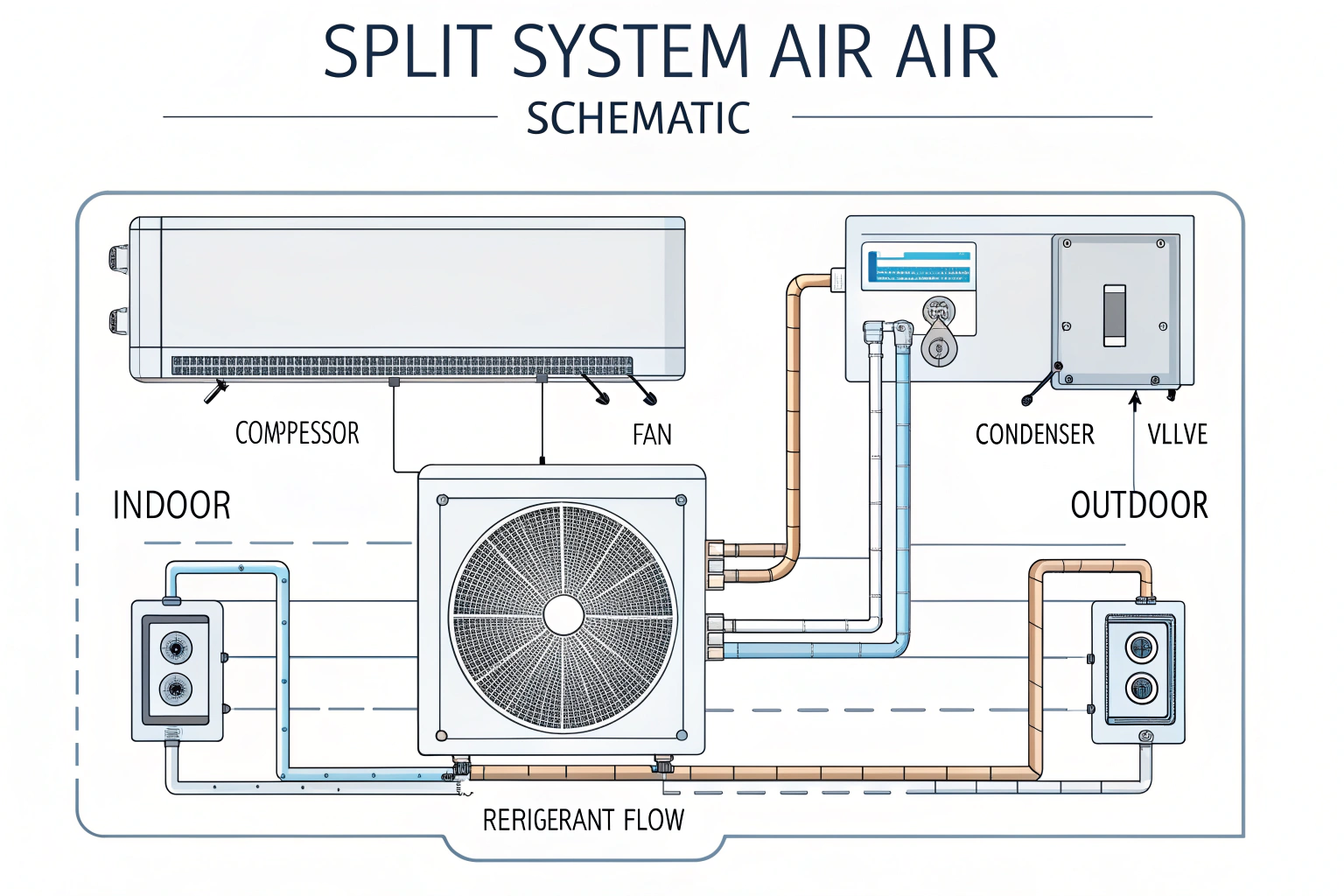
A split system air conditioner has two main units. An indoor unit delivers cool air into a room, and an outdoor unit releases heat outside. These parts are connected by refrigerant pipes. This setup is perfect for flexible, efficient cooling of specific zones or single rooms.
You now know the basic definition of a split system. But this is just the beginning. The real value comes from understanding how these systems work and how they compare to other options on the market. Let’s explore the details that will help you decide if a split air conditioner from a manufacturer like us at iClima is the right fit for your business needs.
What are the key characteristics of a split air conditioner?
You need a reliable AC solution, but you are not sure what features matter most. Choosing incorrectly leads to poor performance, high energy bills, and unhappy clients or tenants.
Split air conditioners are known for a few key things. They have separate indoor and outdoor units, operate without ducts, and are very energy efficient. Because the noisy compressor is outside, they are quiet indoors. They provide excellent zoned cooling for individual rooms.
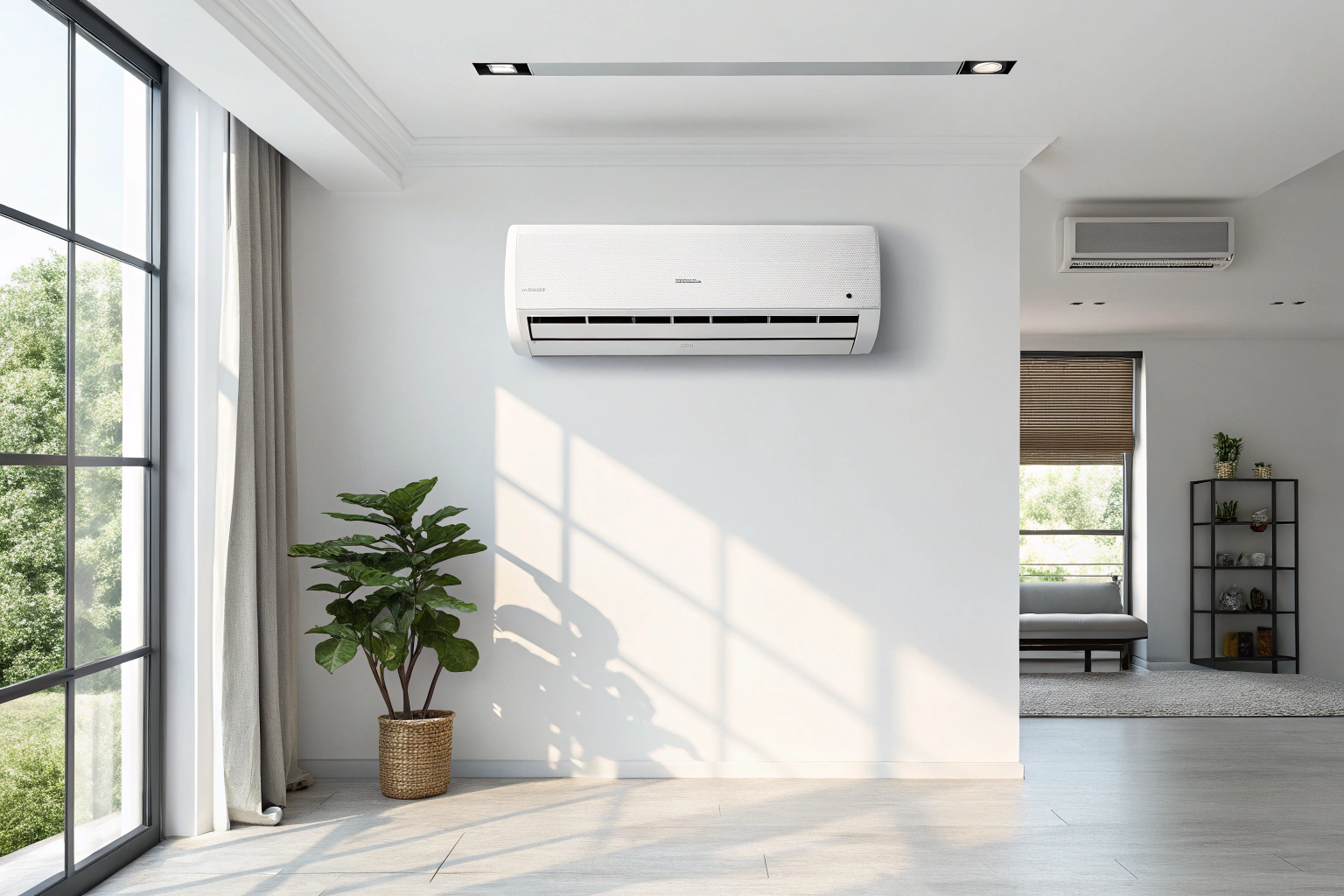
As a manufacturer, we at iClima focus on perfecting these characteristics. The design is simple but very effective. It’s important for our B2B clients, from distributors to large-scale developers, to understand these features because they directly impact installation costs, user comfort, and long-term operational expenses.
Two-Part Design
The "split" name comes from its design. There is an outdoor unit that contains the compressor and condenser, which are the loudest parts. Then, there is a sleek indoor unit that houses the evaporator coil and a fan. This separation is a major advantage. It keeps noise levels very low inside, which is critical for spaces like hotel rooms, offices, and apartments. Our iClima split air conditioner models are engineered for this quiet comfort.
Ductless Installation and Zoned Cooling
Another primary feature is that these systems are ductless. They don’t need a complex network of ducts hidden in the walls or ceiling. Instead, the two units are connected by a small conduit containing the power cable and refrigerant tubing. This makes installation much faster, simpler, and more flexible. It also allows for "zoned" cooling. You can install a unit in a single room and control its temperature independently, saving a lot of energy compared to cooling an entire building.
| Feature | Benefit for Your Project |
|---|---|
| Split Design | Quiet indoor operation, perfect for residential and commercial spaces. |
| Ductless System | Reduces installation complexity and material costs significantly. |
| Zoned Control | High energy efficiency by only cooling occupied areas. |
| Flexible Placement | Indoor units can be placed on walls, ceilings, or floors. |
Split system vs central air?
Deciding between split systems and central air can be difficult. A wrong choice can lock you into a system that is inefficient or too expensive for your building’s specific needs.
The main difference is coverage and installation. A split system cools a single room or zone and is ductless. Central air uses one large unit to cool an entire building through a network of ducts. Split systems offer better zone control, while central air provides uniform whole-building cooling.
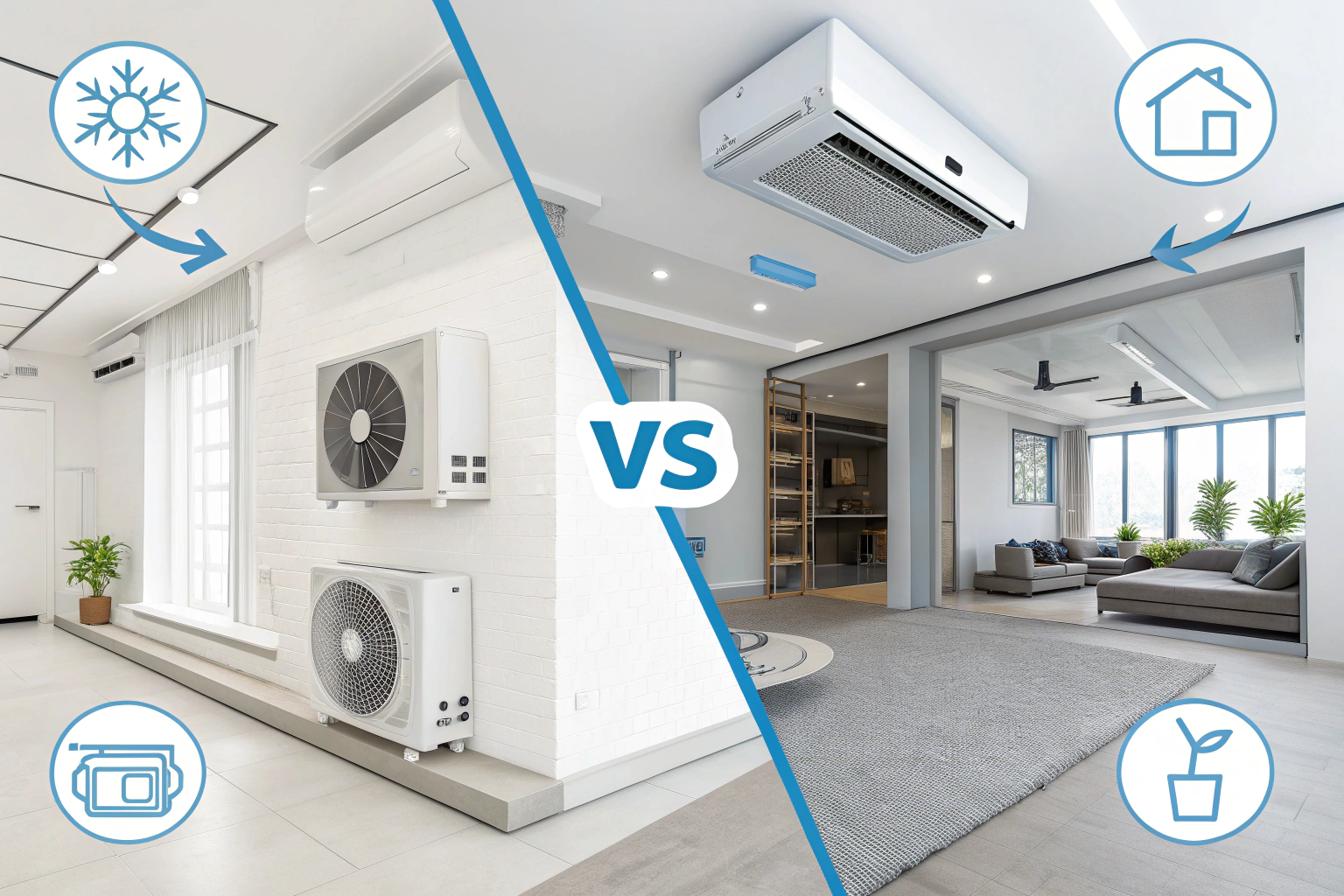
Understanding this difference is crucial for my clients. Whether you are a procurement manager for a hotel chain or a distributor supplying local contractors, you need to offer the right solution. For example, a central system might seem right for a large building, but a series of split systems can offer more flexibility and energy savings.
Installation and Cost
Central air requires extensive ductwork. This is a major construction task, especially in existing buildings. It adds a lot to the initial cost and project timeline. A split air conditioner, on the other hand, is much simpler to install. A small hole in the wall for the conduit is all that’s needed. This makes our iClima split systems ideal for renovations, additions, or projects where budgets and timelines are tight. Our low MOQ helps clients start with smaller projects before scaling up.
Efficiency and Flexibility
Central air cools the entire building at once. This can be wasteful if only a few rooms are being used. Split systems shine here. You can cool only the rooms you need, which drastically cuts down on energy bills. This is known as zoned cooling. For a hotel, this means you don’t have to cool empty rooms. For an office, you can adjust temperatures in individual meeting rooms. This level of control is a powerful selling point.
| Factor | Split System Air Conditioner | Central Air Conditioning |
|---|---|---|
| Installation | Simple, ductless, requires only a small hole in the wall. | Complex, requires extensive ductwork throughout the building. |
| Initial Cost | Lower per unit, but can add up for many zones. | High initial investment for the main unit and ductwork. |
| Energy Efficiency | High efficiency with zoned cooling, saves energy. | Can be inefficient if cooling unused spaces; susceptible to duct leaks. |
| Best suited for | Single rooms, new additions, zoned comfort, smaller buildings. | Large homes, new constructions designed for it, uniform cooling. |
Split system vs package unit?
You might also hear about package units. It’s easy to get them confused with split systems, but they are very different. Choosing the wrong one can lead to installation problems.
The key difference is structure. A split system has separate indoor and outdoor parts. A package unit contains all components—compressor, condenser, and evaporator—in a single cabinet. This single cabinet is typically installed outside, on a roof or a concrete slab.

At iClima, we specialize in split air conditioners, so it is important for me that my partners understand this distinction. While package units have their place, split systems offer a level of flexibility that is unmatched for many of the projects our clients undertake, especially in the light commercial and residential sectors across South Africa and Latin America.
Placement and Application
Package units are all-in-one solutions. Because all the components are in one box, this box must be placed outside. Air is then moved into the building through ductwork. This makes them a common choice for light commercial buildings with flat roofs, like small stores or restaurants. Split systems are more versatile. The indoor unit can be installed high on a wall, on the ceiling, or even near the floor. This makes them a much better fit for Multi-family housing, hotels, and offices where interior design and space are important considerations.
Maintenance and Service
With a package unit, all the serviceable parts are in one location outside. This can make maintenance a bit simpler for technicians. For a split system, the technician needs to service both the indoor and the outdoor unit. However, the components are generally easier to access. As we are an official partner with TCL, our iClima split air conditioner units are built with reliability in mind, ensuring long-term performance with standard maintenance procedures. This reliability is a cornerstone of our value proposition.
| Aspect | Split System Air Conditioner | Packaged Unit Air Conditioner |
|---|---|---|
| Structure | Two separate units (indoor and outdoor). | All components in one single outdoor cabinet. |
| Installation | Indoor unit inside, outdoor unit outside. Ductless. | Entire unit is outside, requiring ductwork to connect. |
| Ideal Application | Residential homes, apartments, hotels, small offices. | Light commercial buildings, single-story offices. |
| Aesthetics | Sleek indoor unit, minimal visual impact inside. | No indoor unit, but requires visible ductwork grilles. |
Conclusion
A split system air conditioner offers a quiet, efficient, and flexible cooling solution. Its two-part, ductless design makes it ideal for many residential and commercial projects.