Struggling to find reliable split air conditioners that balance quality with cost? Sourcing from China can feel risky, but failing to do so means missing out on massive profit margins.
The best strategy for wholesale sourcing from China is partnering with a manufacturer that offers both flexible MOQs and proven quality control. Look for suppliers who provide ODM/OEM customization to build your brand, while ensuring they have established partnerships with major players like TCL for guaranteed reliability.
Finding the right partner is challenging. Many buyers get stuck with inflexible factories or poor communication. I want to show you exactly how to navigate this market to grow your business safely.
Why Choose Chinese Manufacturers for OEM/ODM Split AC Production?
Your brand needs to stand out, but developing unique products is expensive. Relying on generic, off-the-shelf units prevents you from building customer loyalty and limits your pricing power against competitors.
Chinese manufacturers offer the world’s most robust ecosystem for ODM (Original Design Manufacturing) and OEM (Original Equipment Manufacturing). This allows you to create private-label split air conditioners with specific features without investing millions in your own R&D or factory lines.
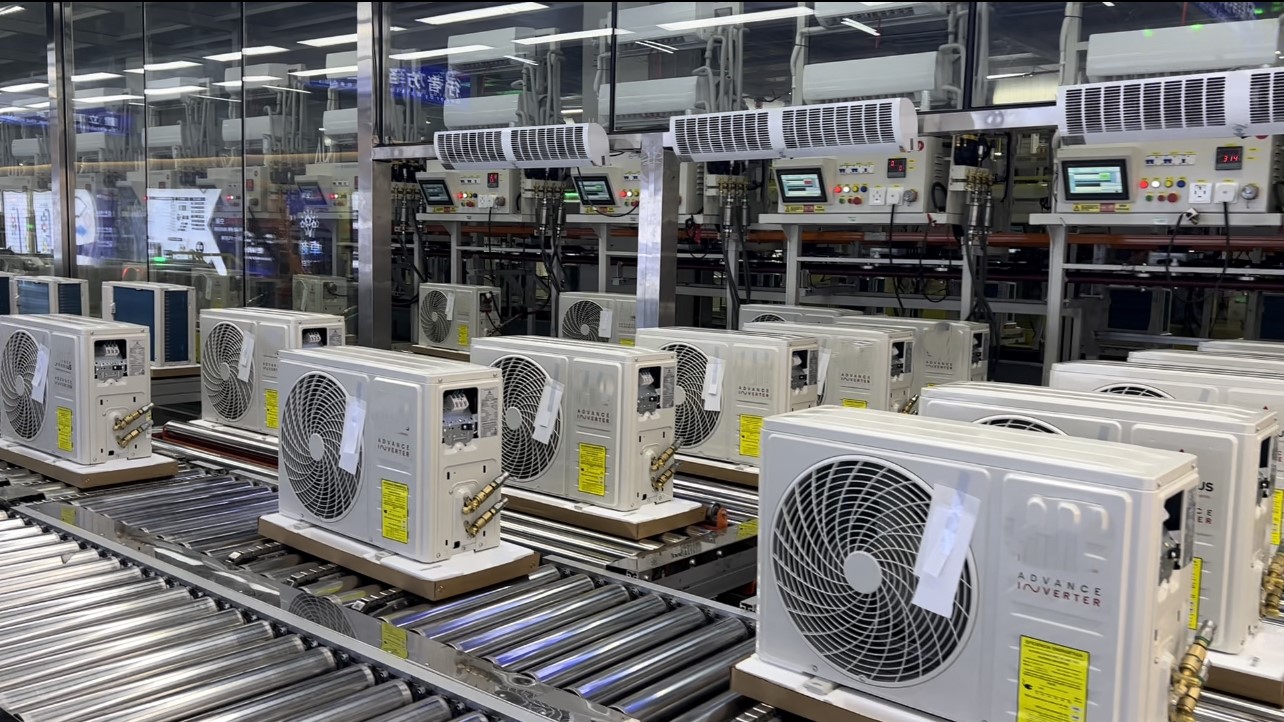
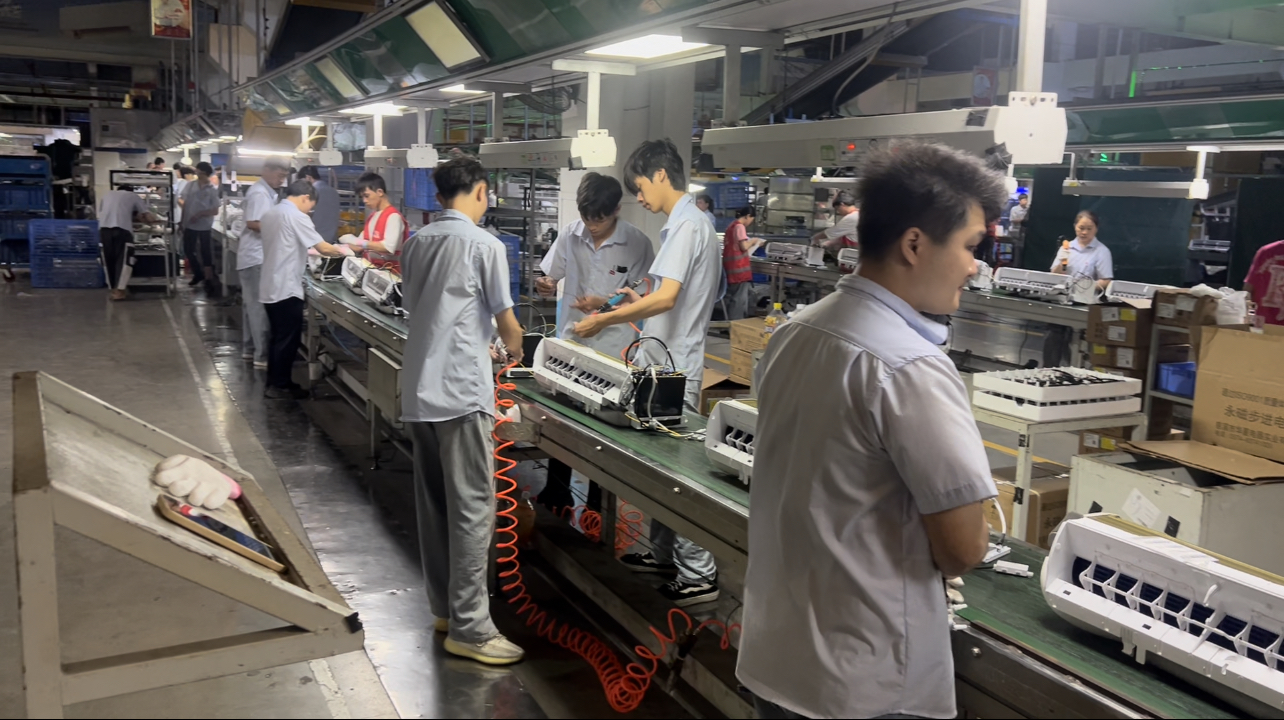
Let’s look closer at cost and flexibility. Some people think "Made in China" only means cheap. That is not true anymore. It means efficiency. As someone who runs iClima, I see this daily. We have automatic workshops and manual lines. This mix is important. It lets us handle huge orders quickly but also handle special custom orders carefully.
When you choose a Chinese partner for OEM/ODM, you are buying into a mature supply chain. You get access to the latest inverter technology or smart home features instantly. You do not need to invent them. You just need to package them under your brand.
Here is a breakdown of the benefits:
The OEM/ODM Advantage Table
| Feature | Benefit for Corporate Distributors | Benefit for Procurement Managers |
|---|---|---|
| Custom Branding | You sell your brand, not mine. This builds your company equity. | Matches project specifications exactly for hotels or government buildings. |
| Cost Efficiency | Lower unit costs mean higher profit margins for you. | Fits tight budget constraints for large public tenders. |
| Tech Access | Instant access to eco-friendly refrigerants and energy-saving modes. | Ensures compliance with modern environmental regulations. |
For a distributor in Brazil or South Africa, this flexibility is survival. You cannot compete with big brands like Samsung on advertising. You compete by offering a great product at a better price under your own name.
Evaluating B2B Suppliers: Critical Metrics Beyond Price?
Focusing only on the lowest price often leads to disaster. Cheap quotes usually hide poor components, zero after-sales support, and rigid high volume requirements that tie up your cash flow.
Effective supplier evaluation must prioritize "Low Minimum Order Quantity" (Low MOQ) and verifiable industry credentials. A low MOQ allows you to test markets with minimal risk, while certifications—like our strategic partnership with TCL—serve as a guarantee of component quality and technological reliability.
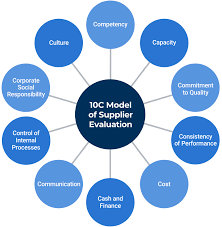
I talk to many distributors who are afraid. They are afraid of buying 5,000 units and finding out they do not sell. This is a real fear. This is why at iClima, one of my core strengths is offering a Low MOQ.
For a wholesale buyer, inventory is risk. If you are a new distributor, you should not be forced to buy a full warehouse immediately. You need a partner who supports a "start small, scale fast" strategy.
Furthermore, how do you trust a factory you have never seen? You look for their friends. For example, iClima is an official collaborator with TCL. TCL is a global giant. They do not work with bad factories. This partnership tells my clients that our compressors, our electronics, and our quality standards are high.
Here is how to rethink your evaluation checklist:
- Flexibility over Volume: Does the supplier demand a 40HQ container immediately? Or will they let you start with a smaller trial order?
- Credibility Markers: Do they have partnerships with known brands? Do they show their face (like I am doing now)?
- The "One-Stop" Factor: diverse product lines save you time. We offer split ACs, window units, and light commercial units. Buying different types from one place simplifies your shipping and customs work.
When you combine Low MOQ with high credibility, you remove 90% of the risk from importing.
Importing heavy electronics like air conditioners involves complex regulations. One mistake with documentation can leave your container stuck at customs, costing you thousands in demurrage fees and lost sales.
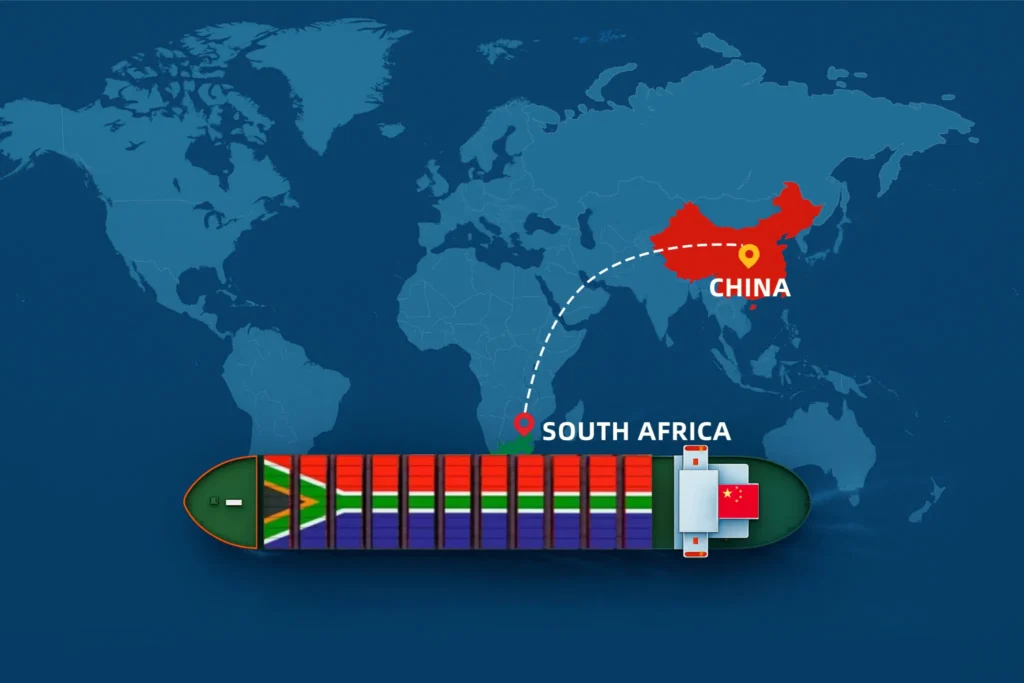
To successfully import into regions like South Africa and Latin America, you need a professional service team that understands specific documentation nuances1. Your manufacturer must act as a logistics partner, assisting with certifications, loading inspections, and timely paperwork to ensure smooth clearance.
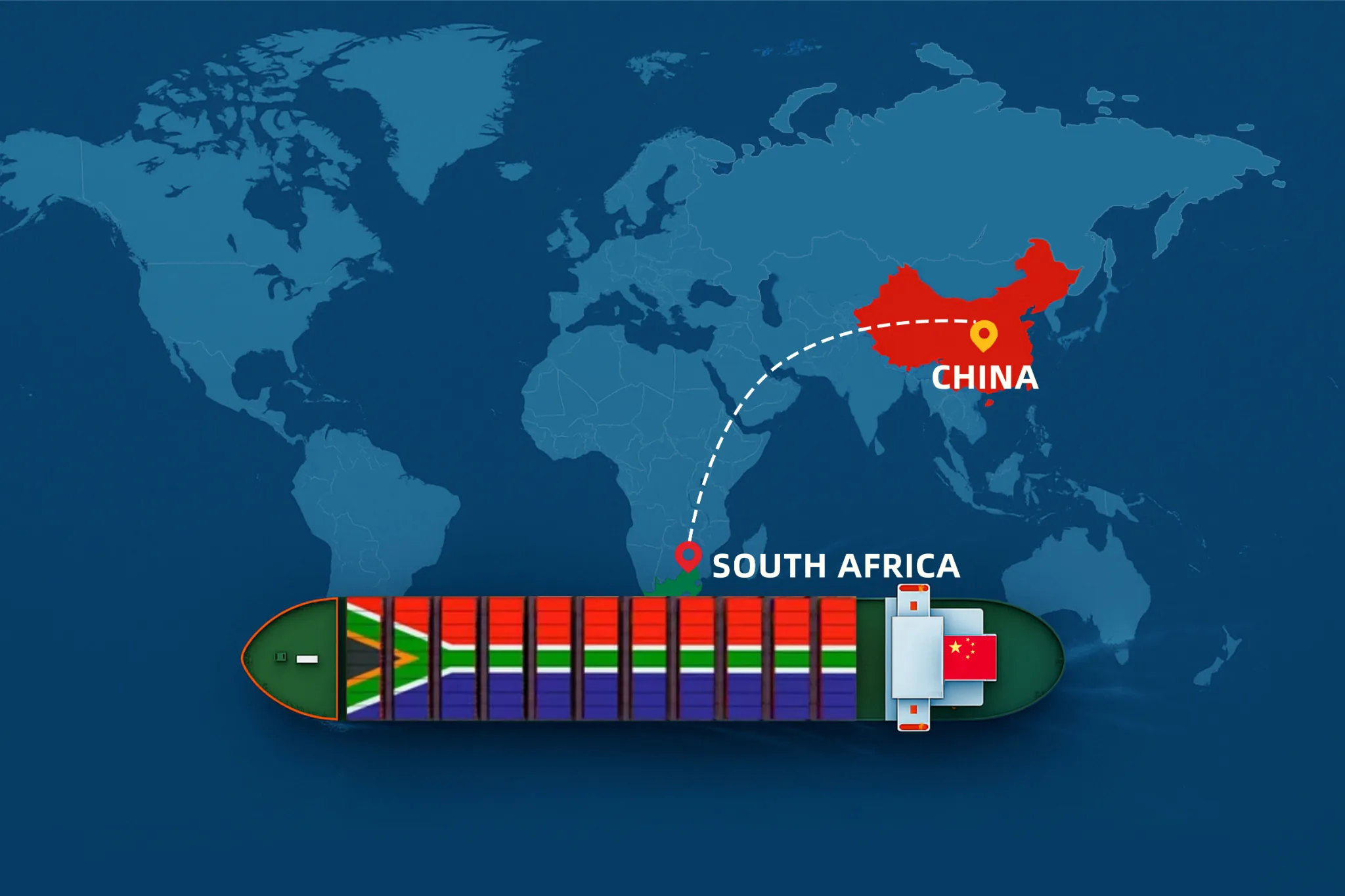
Logistics is not just moving boxes. It is about information. My main export regions are South Africa and Latin America. These markets are very different from Europe or the USA. The customs rules2 change often.
A government buyer in South Africa has different needs than a retailer in Mexico. The plug types are different. The energy labels3 are different. The voltage is different. If your factory just makes the box and says "goodbye," you will have problems.
At iClima, my Professional Service Team does not just sell. We help manage the process. We know that a delay in shipping can ruin a summer sales season for a distributor.
Key Logistics Considerations
- Voltage and Frequency:
- Latin America: Often 110V/60Hz or 220V/60Hz. We customize the motors and compressors to match this exactly.
- South Africa: Strictly 220-240V/50Hz.
- Documentation:
- You need the correct Commercial Invoice, Packing List, and often a Certificate of Origin to reduce duties. We prepare these accurately because we know the local codes.
- Loading:
- AC units are fragile. We use experienced loading teams to maximize space in the container while preventing damage.
Crucially, "One-Stop Shopping" helps here too. If you buy Window ACs from factory A and Split ACs from Factory B, you have two shipments to manage. If you buy both from me, you have one shipment, one set of documents, and one point of contact. This saves you stress and money.
Conclusion
Sourcing wholesale ACs successfully requires a partner who offers flexible Low MOQs, proven quality through partnerships like TCL, and expert logistics support for your specific market.
-
Familiarizing yourself with documentation nuances can save you time and money, ensuring your shipments clear customs smoothly. ↩
-
Exploring customs rules will help you navigate the complexities of importing goods, avoiding costly delays. ↩
-
Understanding energy label requirements is essential for compliance and market acceptance in these regions. ↩