

High freight costs and long wait times hurt your margins. As a B2B buyer, supply chain chaos feels endless. Let me show you how to take back control.
You can build a strong global HVAC supply chain by partnering with one-stop manufacturers. This cuts your freight costs and makes importing simple. Using low minimum order quantities (MOQ) and OEM/ODM services lets you test markets fast without risking your cash.

Global distribution often brings unexpected headaches, but reading further will show you my tested strategies to lower risk and boost your business profits fast.
Overcoming Global HVAC Supply Chain Disruptions: How Do You Manage Lead Times and Freight Costs?
Delayed shipments ruin project deadlines. High shipping fees eat your profits. You need a stable supply plan to survive the market.
You manage delays and costs by working with a single one-stop supplier1. This allows you to combine shipments into one container. You save money on freight and reduce border delays. Reliable partners with automatic lines ensure your order finishes exactly on time.
The Power of Vendor Consolidation
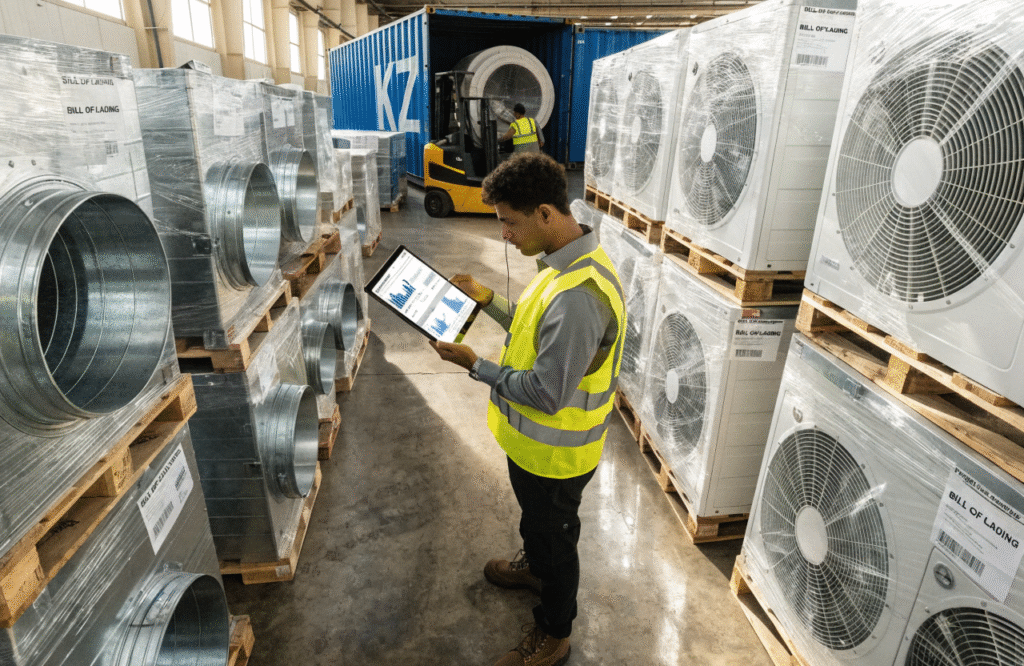
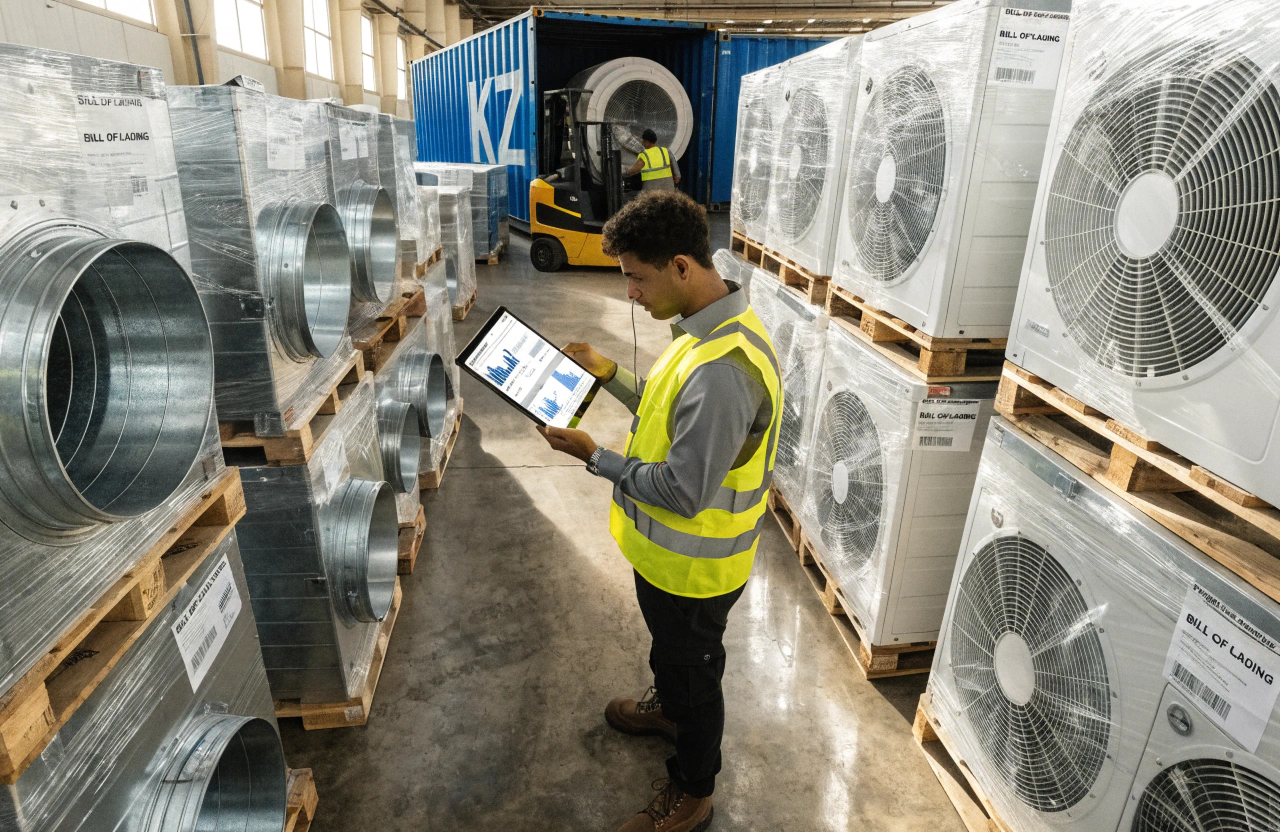
When I talk to buyers from hotel groups or retail chains, they always lay out the exact same problem. They complain about managing five different factories just to get their stock. Working with many factories means you pay for less-than-container loads (LCL)2. This destroys your profit. At iClima, we fix this huge issue. We offer split ACs, window ACs, and light commercial units all in one single place. You fill an entire large container with different products. This drops your shipping cost per unit significantly.
Also, you must look at factory capability. We use automatic workshops and manual lines together. This keeps production moving fast even if some raw materials arrive late. My official partnership with TCL proves our factory runs on strict, fast, and high-quality schedules. You never have to guess when your units will ship.
Supply Chain Cost Comparison
| Strategy | Freight Cost | Import Process | Lead Time Risk |
|---|---|---|---|
| Many suppliers | High (LCL shipping) | Hard (Many documents) | High |
| One-stop supplier | Low (Full containers) | Easy (One set of papers) | Low |
Consolidating your vendor base directly stops chaos. You get one contact person for everything. Our professional service team tracks the ship for you all the way to your port. This frees your time to focus on selling more volume instead of chasing old orders.
OEM vs. ODM in HVAC Sourcing: How Do Low-MOQ Manufacturers Mitigate Inventory Risks?
Buying huge batches ties up your money. Unsold stock gathers dust in your warehouse. You need flexible purchasing to stay safe and grow.
Low-MOQ manufacturers lower your risk by letting you test new markets with small batches. You can build your own private brand using OEM or ODM services. This lets you avoid rigid big-brand rules, increase your profit margins, and keep cash in your pocket.

Building Your Private Label
Many regional HVAC distributors fall into a very bad trap. They rely entirely on rigid, legacy mega-brands. These big brands force you to buy massive quantities every single month. They give you terrible profit margins. You lose the power to change fast when the market shifts. The real growth opportunity in global HVAC distribution lies in building your own private label.
At iClima, we give you full ODM and OEM services. If you want a specific front panel design, we make it. If you need special filters for your exact climate, we add them quickly. The best part is our low Minimum Order Quantity (MOQ). You do not need to buy 5000 units just to start working with us. You can order 200 units to test your local customer demand.
Big Brands vs. Private Label
| Feature | Mega-Brands | Private Label (iClima) |
|---|---|---|
| MOQ | Very High (1000+) | Low and flexible |
| Profit Margin | Low | High |
| Brand Control | None | Full ownership |
Low MOQ stops heavy capital lock-up. You keep money safe in your bank. You build a brand name that belongs totally to you. If a product sells fast, we scale up production for you. If it moves slow, you have no big warehouse pile to worry about. This keeps your distributor business safe and strong for the long term.
Penetrating Emerging Markets: What Are the Localization and Compliance Standards for Latin America and Africa?
Entering new countries is hard work. Strict local rules block your imports at the dock. The wrong product specs can ruin your whole shipment.
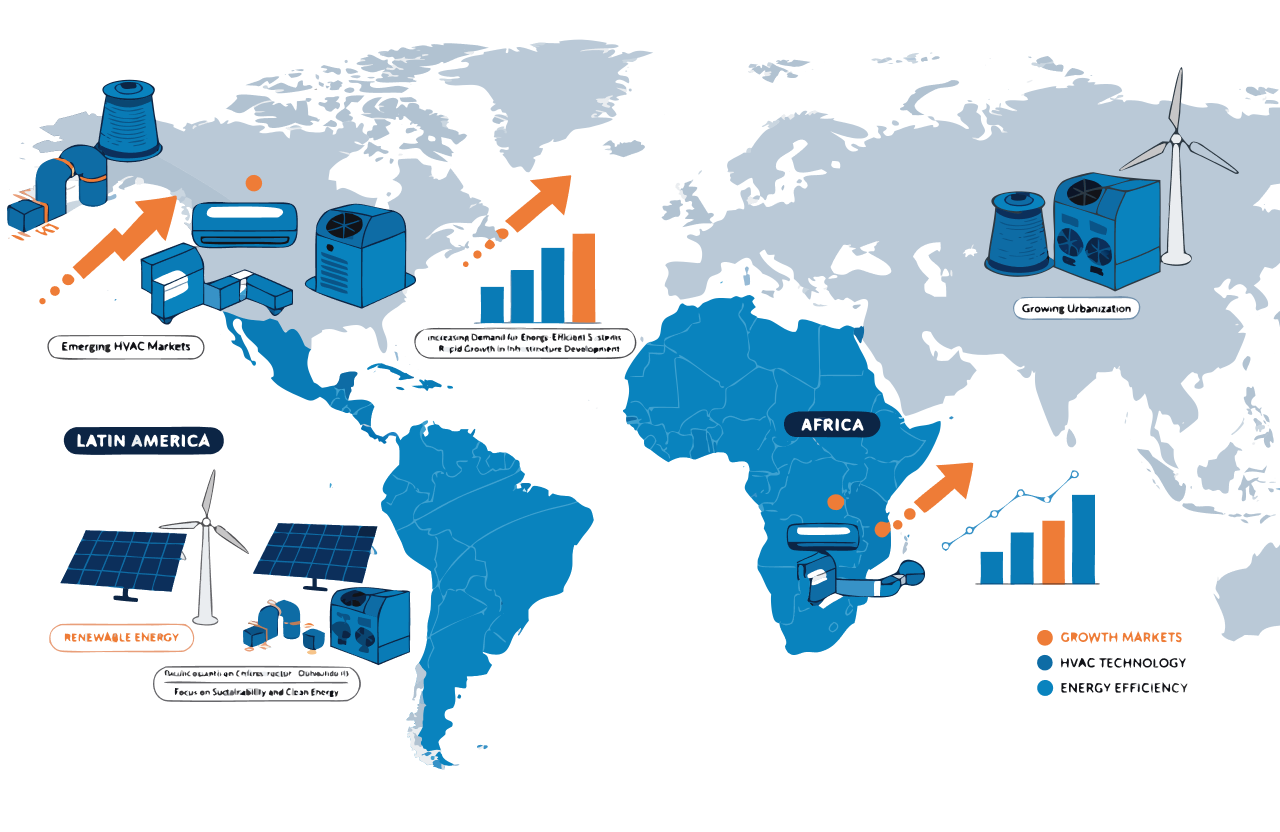
You enter Latin America and Africa safely by working with suppliers who know local rules. Manufacturers must adapt exact voltage, refrigerants, and safety labels for each region. A dedicated team helps you clear customs fast and fits the exact needs of local buyers.
Adapting Products for Target Regions
South Africa and Latin America are huge export markets. I sell directly to these areas very often. But you cannot send standard units there. For example, some areas need R410a gas3, while others strictly demand R324 for new environmental rules. Government buyers in South Africa have very tough safety rules for public hospitals and public schools. If you fail their compliance tests, you lose the whole tender immediately.
Our professional service team at iClima handles this stress for you. We know the exact certificates you need to cross borders in Latin America. We adjust the compressors to handle harsh power jumps in areas that have weak power grids. We ensure the labels match the exact language laws of the country.
Market Localization Needs
| Market | Key Need | Compliance Focus |
|---|---|---|
| South Africa | Stable power handling | Government pilot project rules |
| Latin America | Cost-effective cooling | Local import tax documents |
Using our low MOQ, you can try a small pilot project first. Government buyers love this approach. They test 200 light commercial units in a few schools. Once we prove the high quality and pass all compliance tests, you easily win the massive 2000-unit tender next year. We make sure every paper is absolutely perfect to secure your deal.
Conclusion
You can master global HVAC sourcing by building private labels with low-MOQ partners. Use one-stop factories to cut freight costs and win easily in growing emerging markets today.
-
Shows strategies and examples of how consolidating suppliers cuts freight, paperwork, and lead-time headaches for HVAC projects. ↩
-
Explains LCL pricing, hidden fees, and when shifting to full containers dramatically lowers per-unit shipping costs. ↩
-
Find authoritative rules and phase-down timelines so you can choose compliant refrigerants for export markets. ↩
-
Learn safety, labeling, and environmental requirements to avoid rejections at customs and tenders. ↩