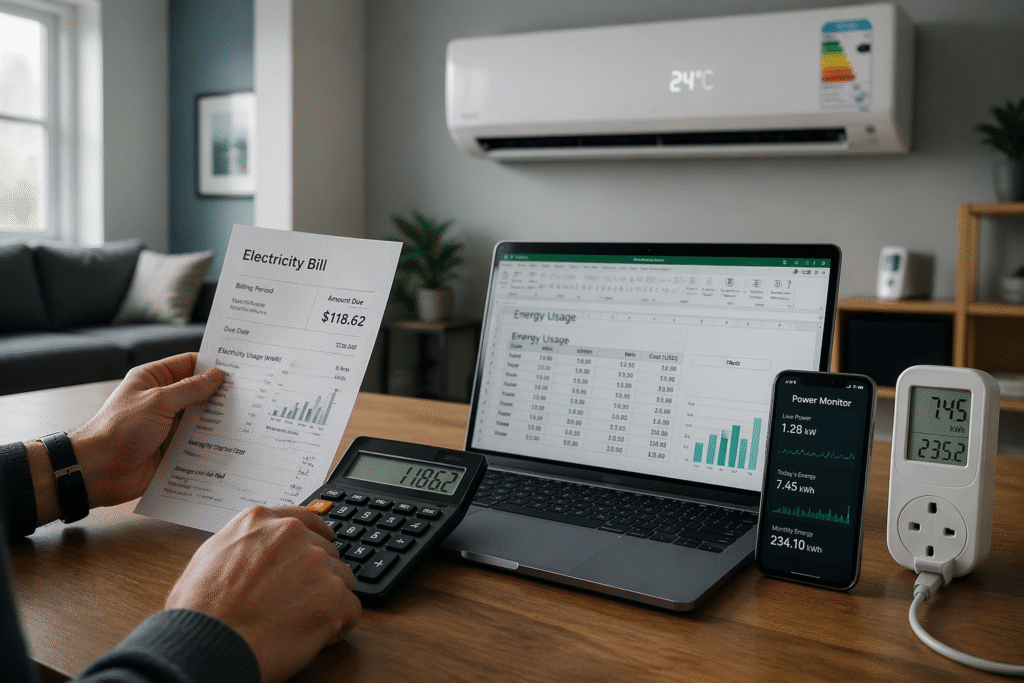
Are rising electricity costs killing your project budget? Many buyers struggle to control cooling expenses. If you ignore power consumption, your long-term operating costs will destroy your profit margins.
Split air conditioner electricity consumption depends on capacity, compressor type, and usage hours. A standard 12,000 BTU unit uses about 1 to 1.5 kWh per hour. You can calculate total consumption by multiplying the unit’s kilowatt rating by the hours of daily operation and your local electricity rate.
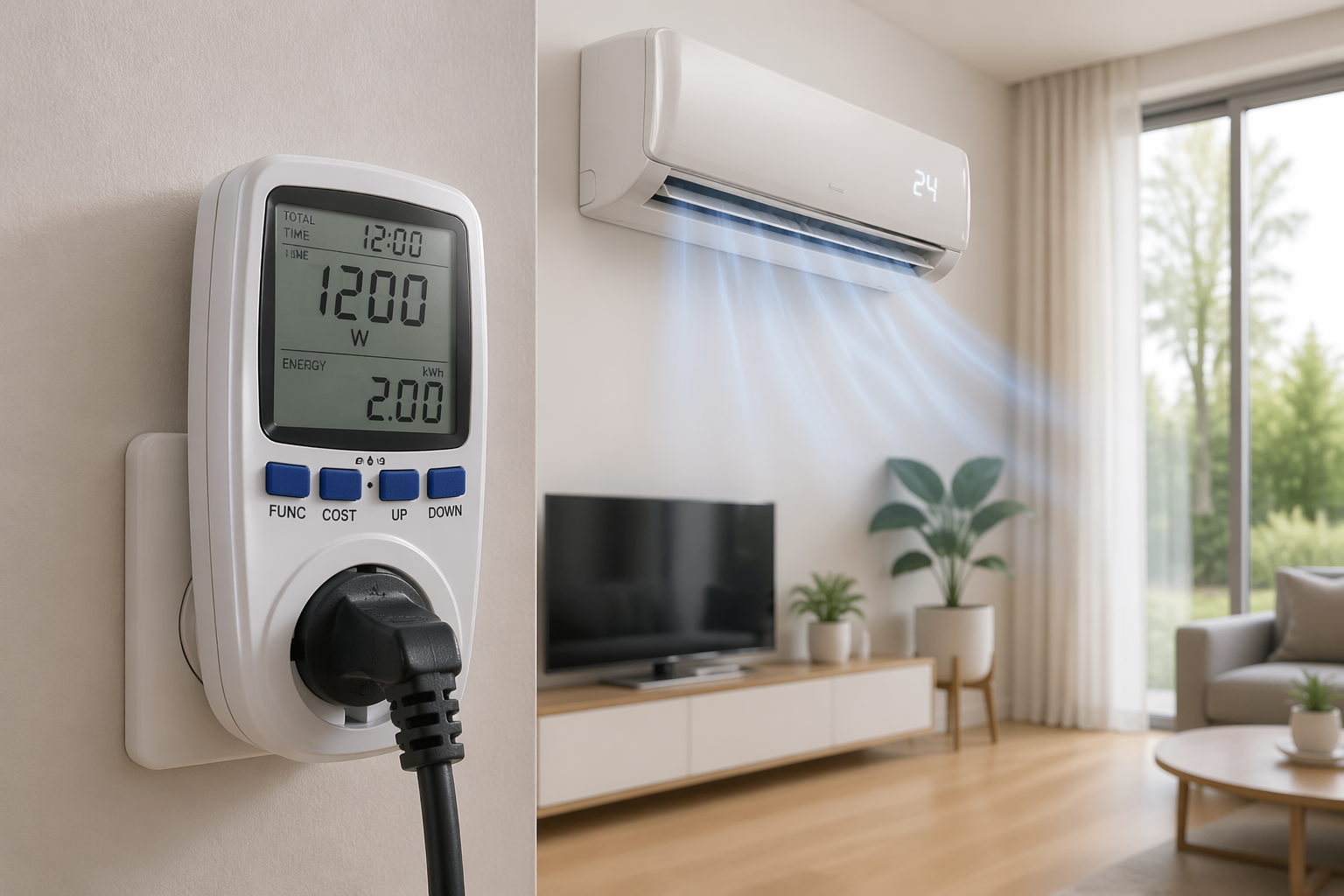
Figuring out these numbers might seem hard. But once you understand the basic rules, you will make much smarter buying choices. Let us break down exactly what drives these costs so you can plan better for your next big project.
What Are the Key Factors Driving Split Air Conditioner Energy Usage: Inverters vs. Non-Inverters?
Do you feel stuck choosing between compressor types? Picking the wrong one wastes energy and money. Let us solve this problem by looking at exactly how each type works.
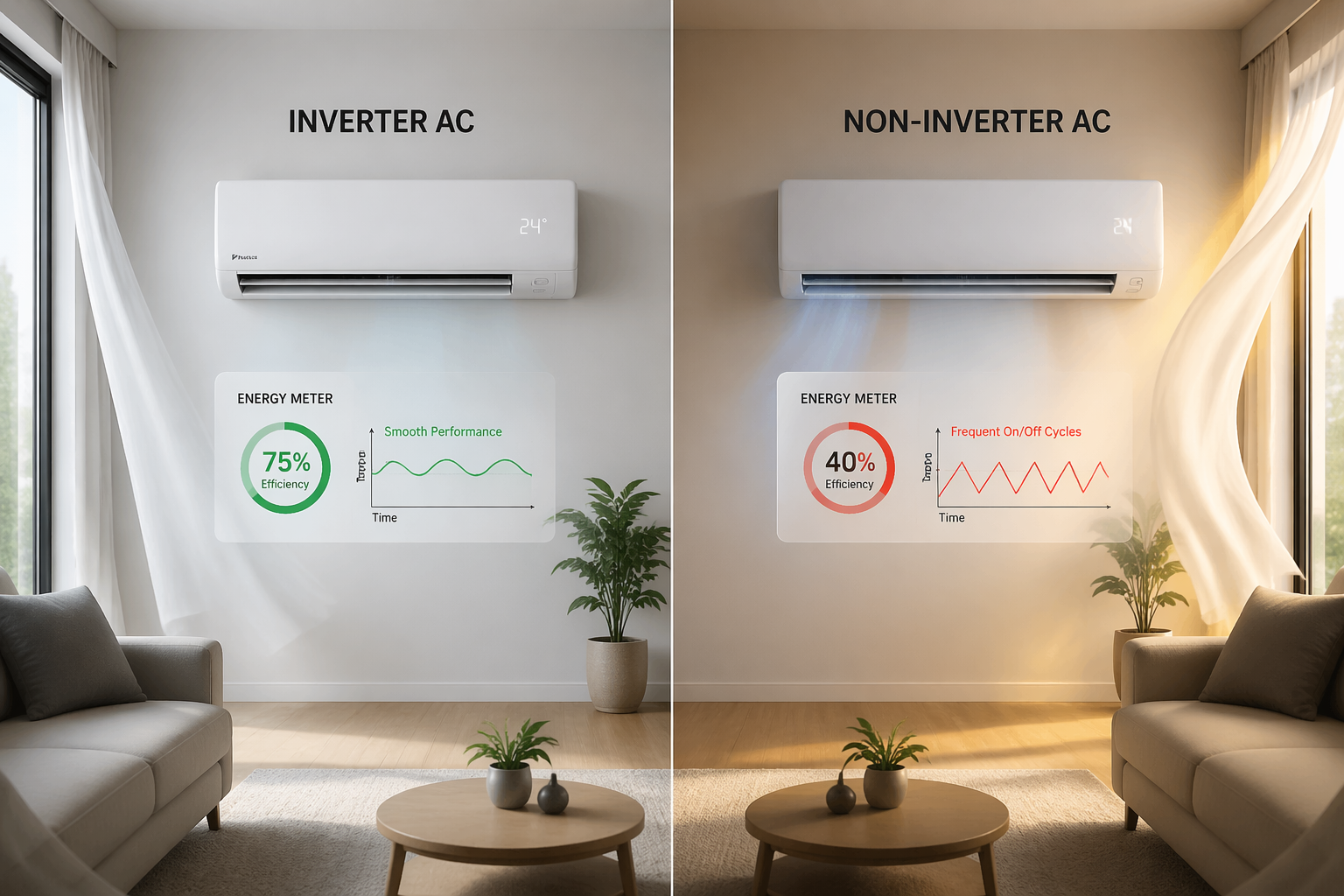
The inverter air conditioners adjust their motor speed to save up to 30% more energy. Non-inverter units turn completely on or off, which uses more power during start-up. Your choice depends on whether you have long operating hours or a strict initial budget.
When you buy for large projects, you must think about the whole picture. Many buyers think they must buy inverters every time to save power. But this is not always true. You need to look at how people will use the machines.
Finding the Best Match for Your Project
If you supply hotels or office buildings that run AC units all day, inverters are the best choice. They keep the room cool without stopping and starting the motor. This saves power over time. But if you sell to places that only use AC for a few hours a day, non-inverters make more sense. They cost less to buy.
Here at iClima, we produce both types on our automatic and manual lines. I always tell my clients to look at their local market needs first.
Comparing the Costs
| Feature | Inverter Split AC | Non-Inverter Split AC |
|---|---|---|
| Initial Cost | High | Low |
| Power Usage | Low (saves up to 30%) | High |
| Best For | Long running hours | Short running hours |
| Maintenance | Complex | Simple and cheap |
If your target market has an unstable power grid, repairing an inverter board can be hard and costly. Sometimes, a simple non-inverter is safer and easier to fix. You need to balance the first price you pay against the future repair costs.
How to Do the Cost Calculation: Estimating Commercial Split Air Conditioner Energy Expenses?
Is guessing your energy bills causing budget overruns? Blindly estimating costs leads to huge financial losses. You need a clear and simple formula to predict your project expenses accurately.
To estimate energy expenses, multiply the AC power input in kilowatts1 by running hours and your local electricity rate. For example, a 1.2 kW unit running 10 hours a day at $0.15 per kWh costs $1.80 daily. Multiply this by total units to get project costs.
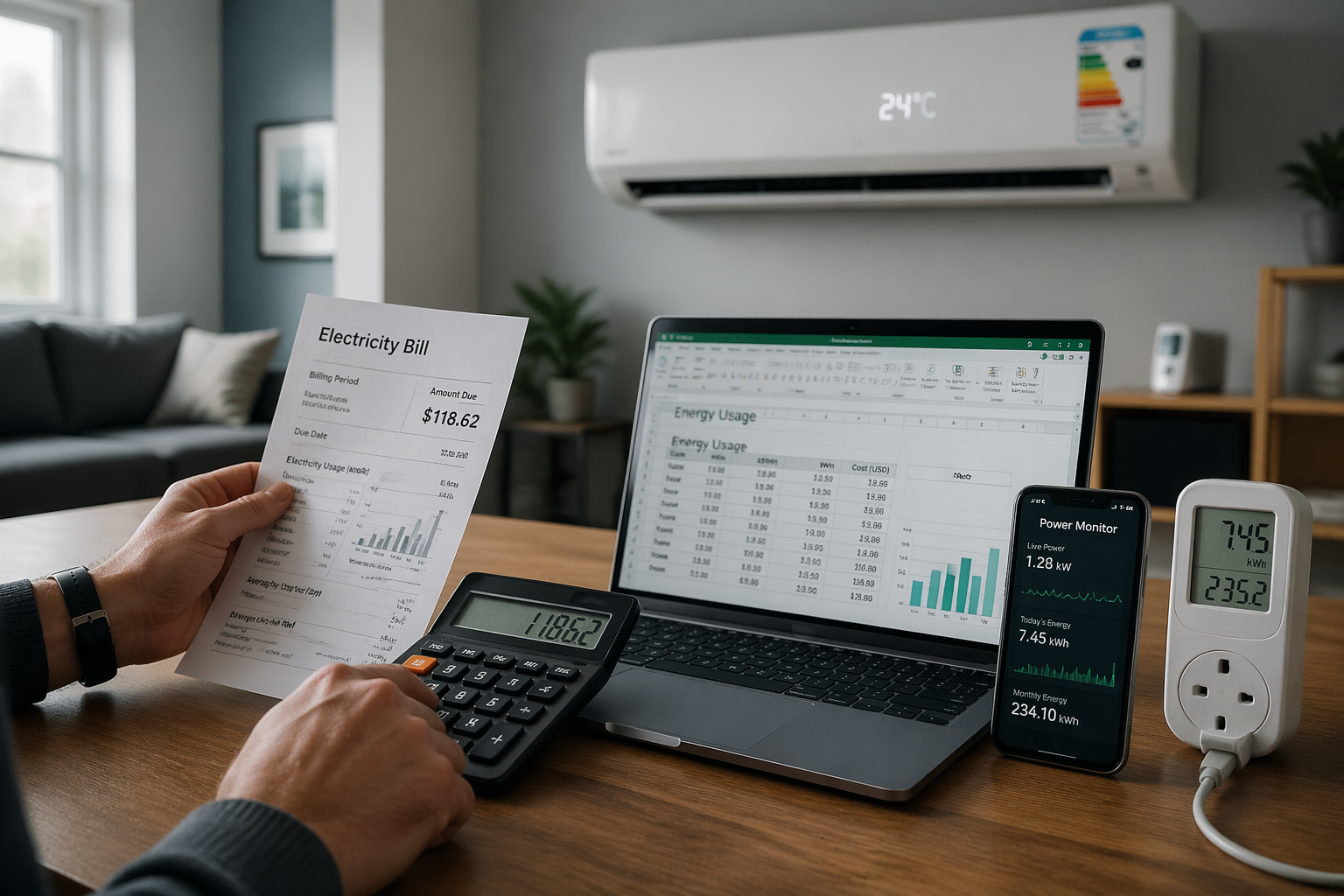
Many B2B procurement managers fall into a common trap. They assume they must buy units with the highest SEER rating2. High SEER means high energy efficiency. But in real life, this is not always the smartest move.
Why High SEER is Not Always Perfect
In price-sensitive markets like South Africa and Latin America, buying ultra-high efficiency ACs will raise your initial costs a lot. Also, if the local power grid goes up and down, these complex machines break easily. Fixing them costs too much time and money. You do not want to wipe out your profit margins on high repair bills.
A Better Way to Plan Expenses
Instead of buying the most expensive grade, you should buy the grade that just meets local rules. Do not over-engineer your orders.
| Factor | High SEER Strategy | Balanced SEER Strategy (iClima) |
|---|---|---|
| Import Cost | Very expensive | Cost-effective |
| Grid Tolerance | Poor (breaks easily) | Strong and durable |
| Profit Margin | Low | High |
| Sales Speed | Slow | Fast |
I work with many buyers who increase their sales by choosing units that are good enough, not overpriced. You can use our low MOQ to test a small order first. This helps you check the real energy costs before you buy thousands of units for your clients.
What Are the Regional Energy Standards: OEM Energy-Saving Split Air Conditioner Solutions?
Are different local energy rules blocking your imports? Failing customs checks will ruin your supply chain. You must match your products to local laws before you ship them.
Every country has specific energy performance rules like EER or COP3. To meet these rules, you need an OEM partner to adjust the compressors and refrigerants. Customized AC units easily pass customs and help you win local government bids and large commercial tenders.
Navigating import laws is a headache for many wholesale buyers. You cannot sell a product if it fails the local energy test. But you also do not want to pay for features your market does not need. Government buyers and big retail chains demand compliance, but they also demand a good price.
Customizing for Your Local Market
This is where iClima’s OEM and ODM service4 comes in. We do not force you to buy one standard model. We build the AC unit to fit your exact local rules without adding extra costs. Because we have a strategic partnership with TCL, we get the best parts and technology. This means your final product is very reliable and safe.
Why Partner with iClima?
We help you build your own brand safely in a tough market.
| Value We Offer | How It Helps You |
|---|---|
| Official TCL Partnership | Gives your brand credibility and high quality. |
| Low MOQ Policy | You can try new markets with less risk. |
| Full OEM Design | You meet local energy laws perfectly. |
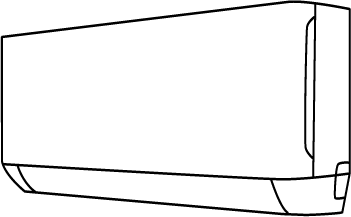
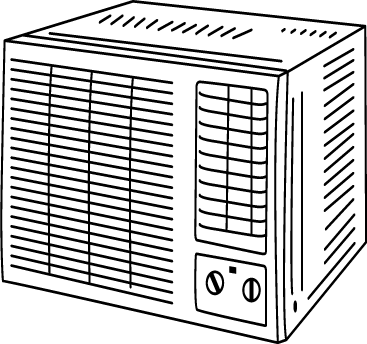
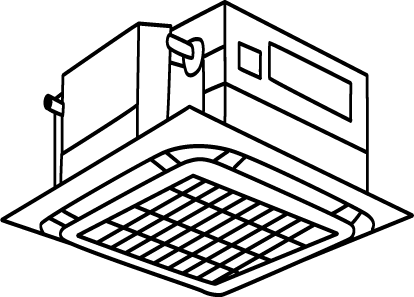
| One-Stop Shopping | You buy split, window, and commercial ACs together. |
If your local law requires a basic energy label, we make that. We do not add extra sensors that your buyers cannot afford. By customizing the energy standard, you deliver a product that is legal, cheap, and strong. This focus helps you win against big brands with rigid rules.
Conclusion
Understanding energy use keeps your costs low and profits high. By balancing efficiency with sensible OEM customization, you can dominate your local market with reliable and affordable cooling solutions.
-
Find clear calculators and step‑by‑step guides to convert AC power (kW) into daily and project energy costs for accurate budgeting. ↩
-
Explore expert explanations on SEER trade‑offs to balance upfront price, efficiency savings, and maintenance risks in price‑sensitive markets. ↩
-
Learn how EER and COP are measured and compared so you can design AC units that meet regional energy rules and pass customs tests. ↩
-
Find practical guides to choose OEM vs ODM, enabling precise customization of compressors, refrigerants, and energy performance for each market. ↩