
Are you struggling with high installation costs killing your AC sales? Buyers hesitate when AC setup costs more than the unit. Window air conditioners solve this problem immediately.
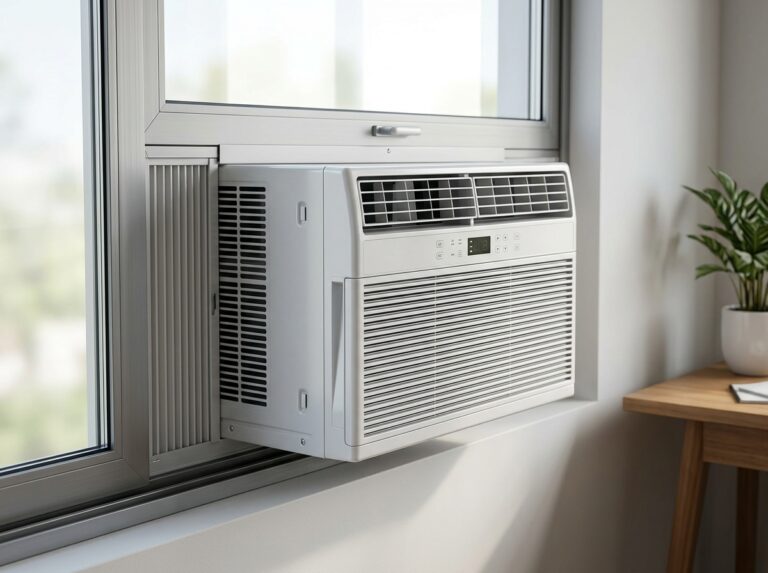
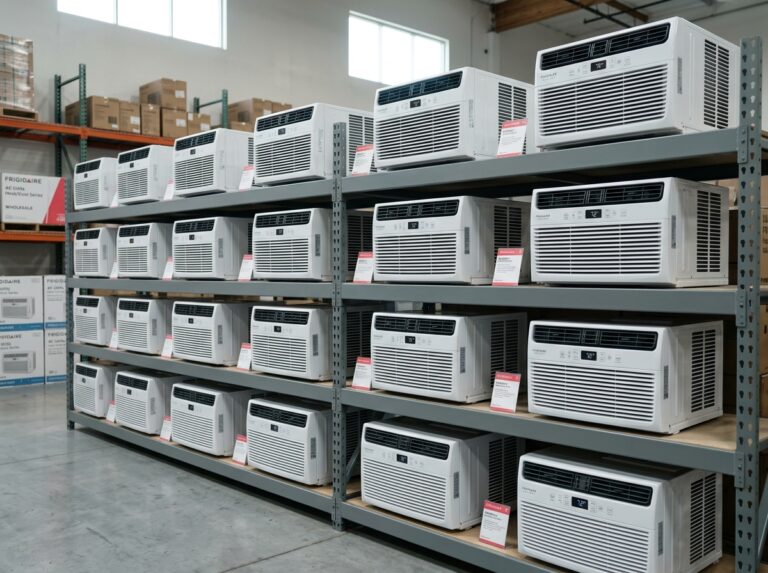
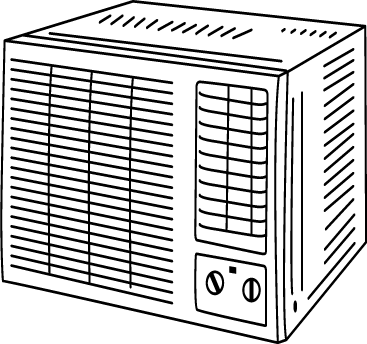
Window air conditioners are compact cooling units installed directly in window frames. They house all components in a single box, offering a plug-and-play solution. For B2B buyers, they provide mass-market appeal in regions with high installation costs, requiring no specialized technicians to set up.
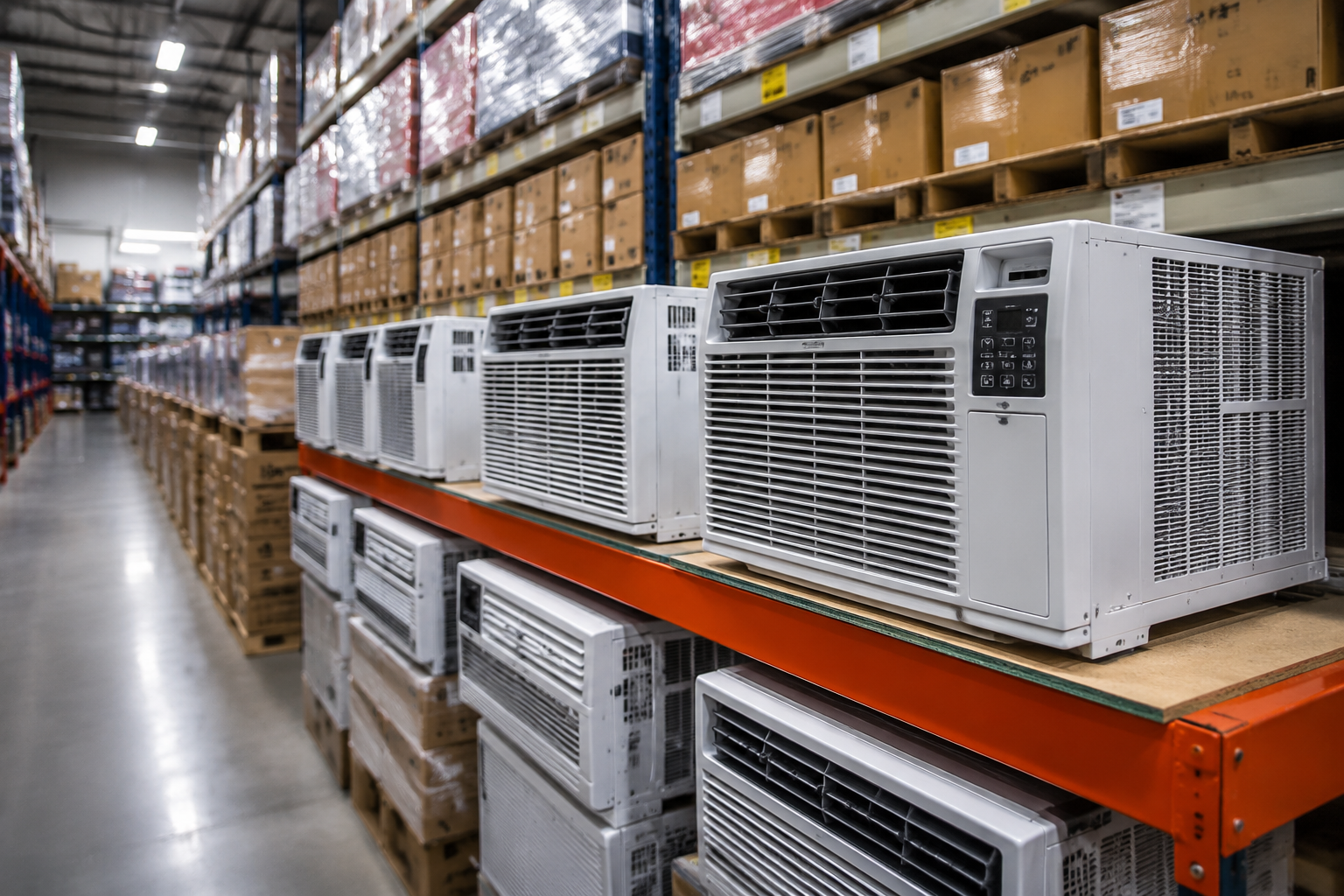
Understanding the value of window units can change your wholesale strategy. Let us look at why these units are still a top choice for your customers and how they can boost your business growth.
How Window Air Conditioners Work and Key Commercial Applications?
Do your clients complain about costly AC setups in older buildings? Complex wiring and pipes delay projects. Window units offer a simple, all-in-one cooling fix for spaces without ducts.
Window air conditioners pull warm room air over cold coils, then blow cooled air back inside. The heat safely vents outside from the back. They are perfect for dormitories, small offices, and budget hotels seeking durable and quick installation.

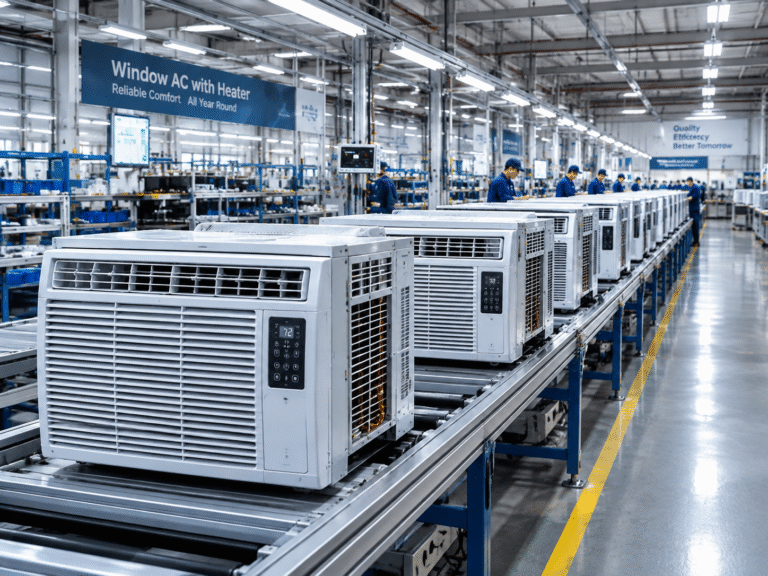
Let us break down how these cooling machines function. All major parts sit inside one metal box. This design makes mass production very stable. I see many buyers in Latin America and South Africa order these units. Why? Because finding a skilled AC technician in these areas is hard and costs too much money.
Commercial Use Cases
Window ACs fit right into specific B2B projects. Government buyers like them for public housing. Real estate developers buy them for student dorms because they do not damage the building structure.
Why Your Clients Need Them
We can look at the main reasons these units sell so well in emerging markets.
| Application Area | Main Benefit for End User | Why Wholesalers Love It |
|---|---|---|
| Budget Hotels | Fast, cheap replacements | Steady, repeat bulk orders |
| Student Housing | No central pipes needed | Easy volume estimation |
| Older Offices | Won’t damage walls | Quick sales turnover |
These units are true plug-and-play systems. If a unit breaks down in a hotel, the maintenance staff can swap it out in ten minutes.1 They do not need to call a costly repair service. This simple feature makes window ACs a very safe bet for your local contractors and retail chains.
Window vs. Split Air Conditioners: Which is Best for Wholesale?
Are you torn between stocking split or window units? Picking the wrong inventory ties up your cash flow. You must match the product to your local market needs.
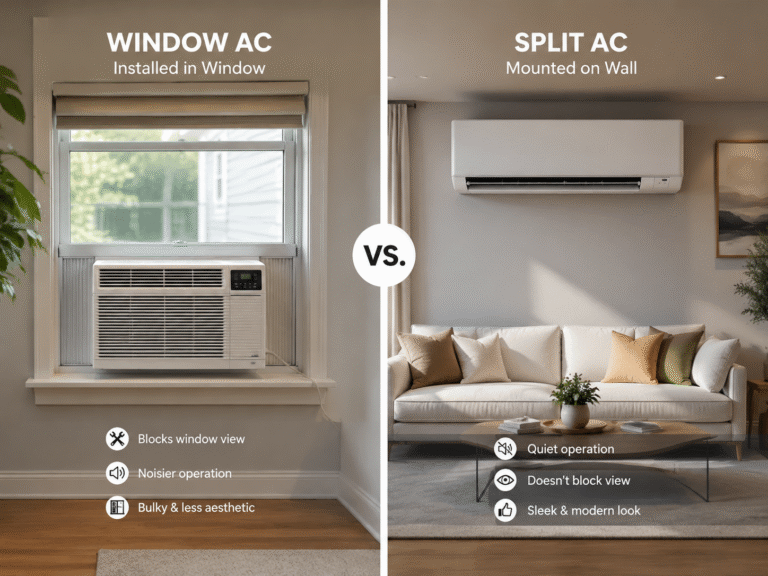
Window ACs win in markets lacking skilled installers because they offer plug-and-play setup.2 Split ACs require professional installation but operate quietly. Wholesale success depends on balancing cheap, easy-to-install window units with modern split systems for different buyer budgets.
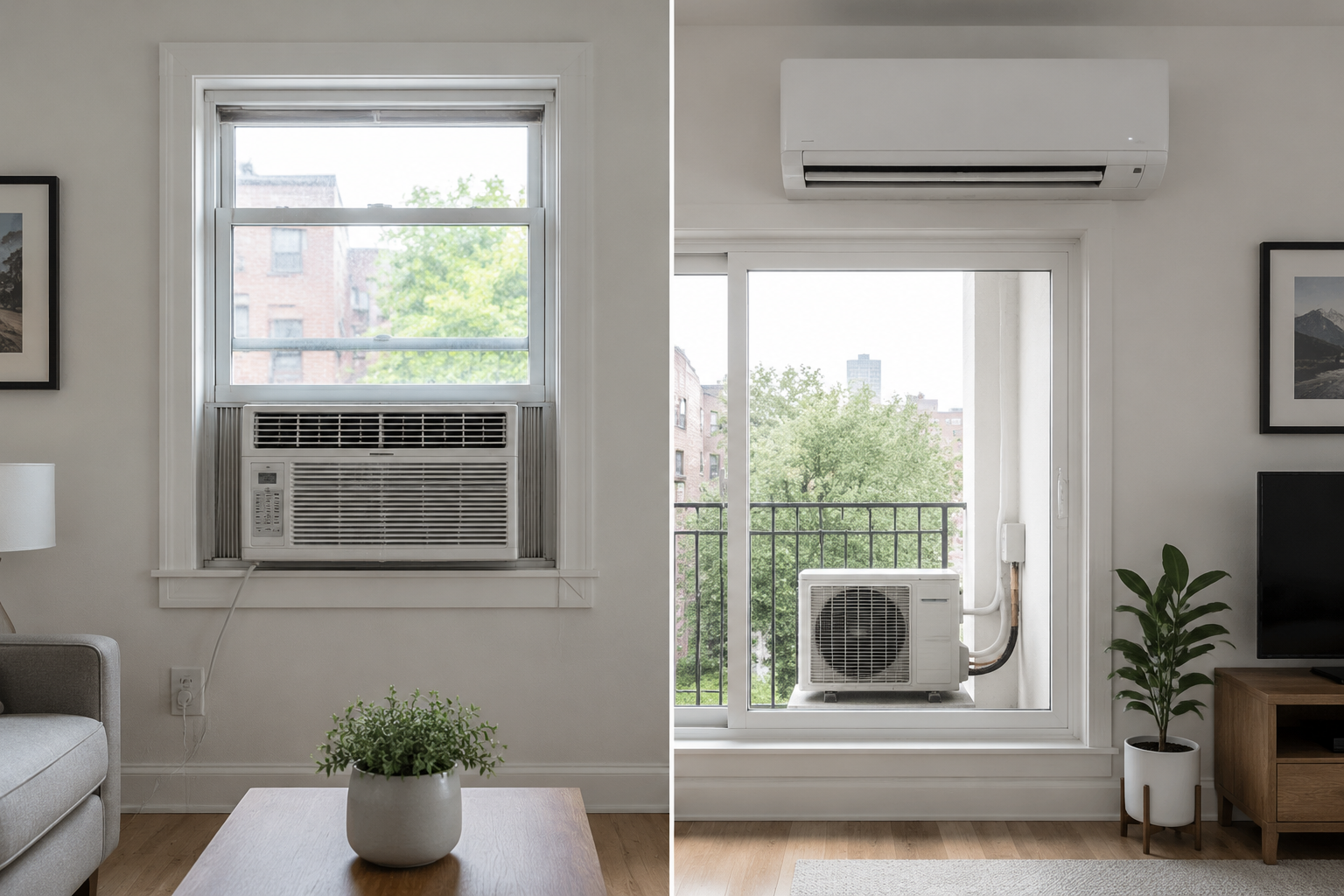
Choosing between window and split units is a big choice for any procurement manager. I always tell my clients to look at their target end-users.
Cost and Setup Comparison
Split systems look great on a wall. But they have two boxes: one inside and one outside. This means you need copper pipes and a real technician to connect them. If your customer base lives in an area where labor is costly, split AC sales might slow down. Window units just need a strong window frame and a power plug.
Making the Right Choice
Let us look at a direct comparison to help you decide what to buy.
| Feature | Window Air Conditioners | Split Air Conditioners |
|---|---|---|
| Installation | Plug-and-play, DIY | Needs a professional tech |
| Upfront Cost | Very low | Higher |
| Wholesale Risk | Low | Medium, depends on brand |
| Target Market | Latin America, South Africa | Global, high-end commercial |
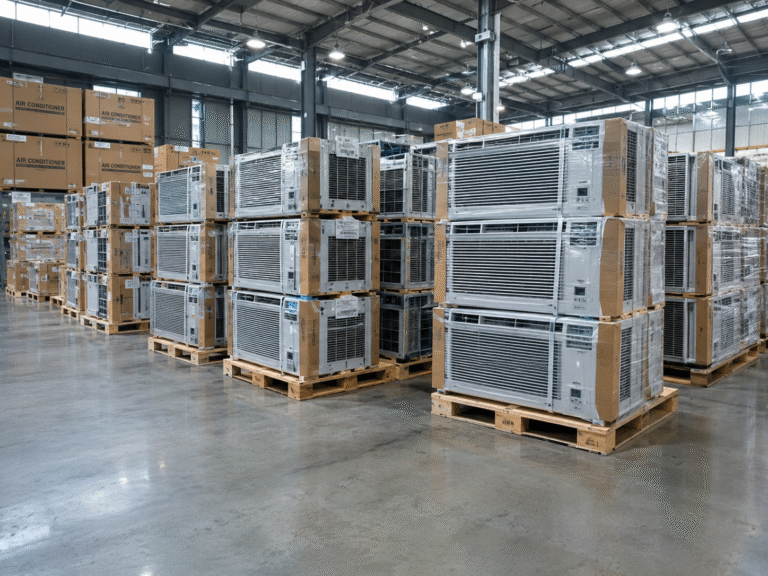
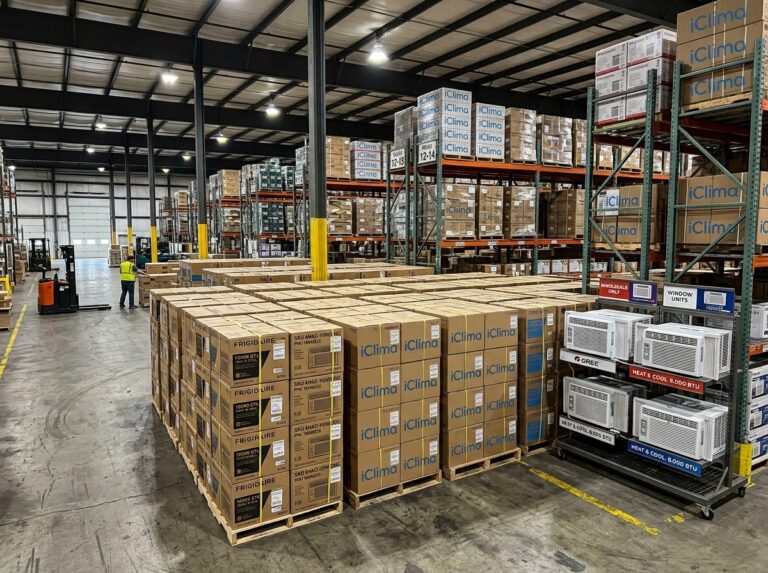
As a corporate distributor, you want fast turnover. I suggest you keep both types in your warehouse. At iClima, our low MOQ lets you buy a small batch of window units alongside your split AC order. This way, you capture the lower-end market without risking too much money.
Boost Profit Margins with OEM/ODM Window Air Conditioners?
Is selling big-name AC brands leaving you with tiny profit margins? Competing on price alone will kill your business. Selling your own brand is the real way out.
OEM and ODM services allow you to sell window air conditioners under your own private brand.3 This strategy removes direct price competition with big names, giving you full control over margins. You build local loyalty and set your own wholesale prices.
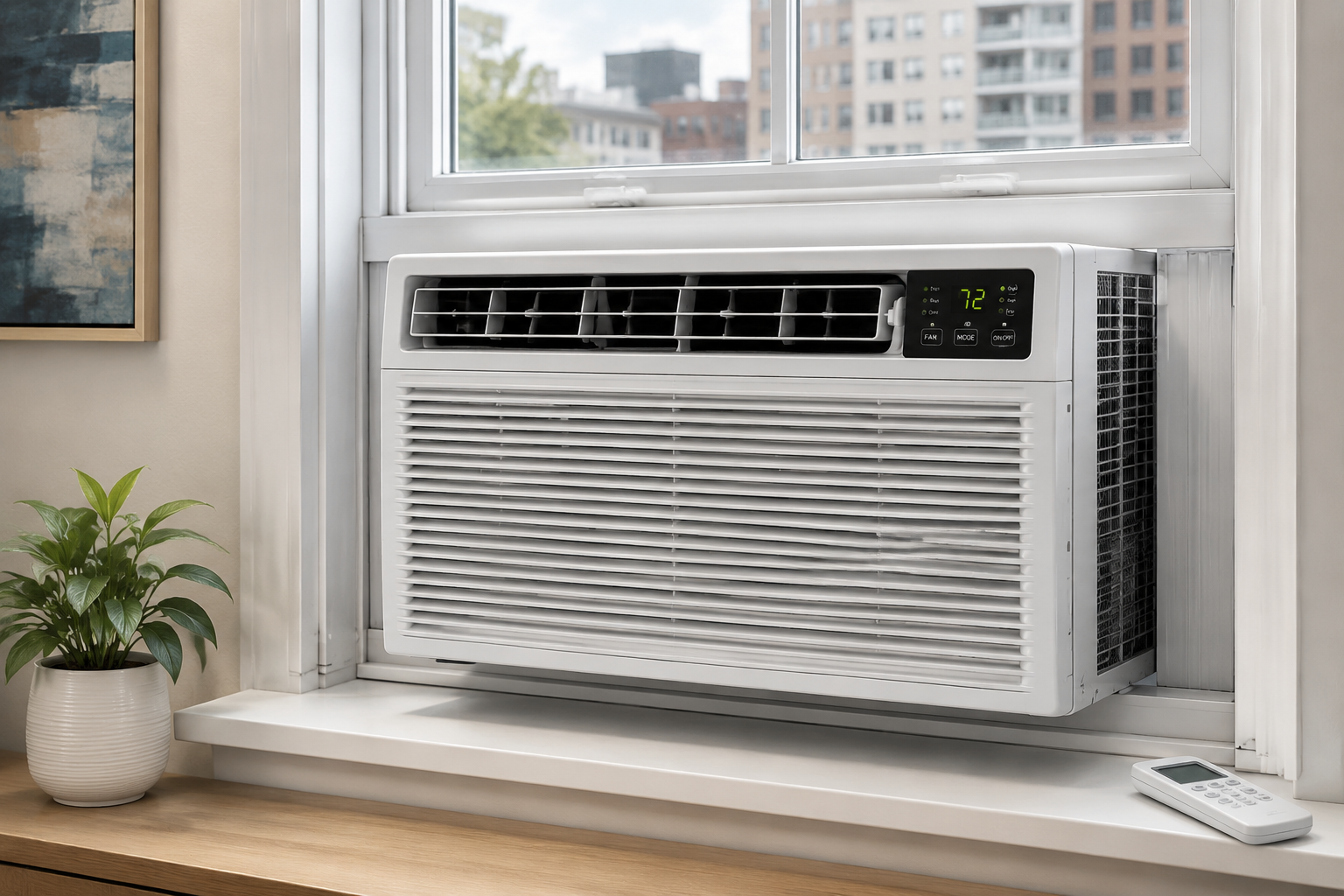
Building your own brand is the smartest move for intermediate distributors. When you sell famous brands, buyers just compare your price with the shop next door. You make almost no money.
The Power of Private Labels
By using our OEM/ODM services, you put your own logo on the machine. Your customers cannot compare prices online because you own the brand. At iClima, we have a strong official partnership with TCL. This means you get top-tier factory quality inside, but your brand name on the outside.
Start Small with iClima
Many buyers worry about ordering too many units at first. We understand this fear very well.
| Strategy | Action Needed | Benefit to Your Business |
|---|---|---|
| Pilot Batch | Order a small MOQ | Test local market response safely |
| Custom Design | Adjust panel and boxes | Stand out from competitors |
| One-Stop Buy | Mix window and split units | Save on total ocean shipping costs |
I highly recommend adding a small pilot batch of customized window units to your next big order. You can test your local market safely. If they sell fast, you can order more. If they start slow, you did not tie up all your cash. Our professional team helps you with all the design work from start to finish.
Conclusion
Window air conditioners offer easy installation and strong wholesale profits. Partner with us to build your private brand, test the market safely, and grow your B2B sales fast.
-
"Air Conditioner Maintenance | Department of Energy", https://www.energy.gov/energysaver/air-conditioner-maintenance. Provides guidance that window/room air conditioners are self‑contained and commonly designed for removal and replacement by building staff without ductwork, and offers typical installation/removal steps and safety precautions; does not assert a universal fixed ‘ten‑minute’ replacement time because time depends on model, mounting, and whether two people or tools are required. Evidence role: general_support; source type: government. Supports: If a unit breaks down in a hotel, the maintenance staff can swap it out in ten minutes.. Scope note: Supports the claim that units are removable and replaceable by on‑site staff; does not substantiate the specific ‘ten minutes’ duration for all installations. ↩
-
"Air conditioning – Wikipedia", https://en.wikipedia.org/wiki/Air_conditioning. Authoritative sources describe window (room) air conditioners as self-contained units intended for do-it-yourself installation in a window or wall opening, supporting the claim that they generally require only basic homeowner installation rather than specialized HVAC procedures; this does not by itself prove consumer preference or market share in specific regions. Evidence role: definition; source type: encyclopedia. Supports: Window ACs are plug-and-play / simple to install by non-professionals. Scope note: Describes typical product design and typical installation complexity but does not measure market adoption or preference in particular countries. ↩
-
"Original equipment manufacturer – Wikipedia", https://en.wikipedia.org/wiki/Original_equipment_manufacturer. Encyclopedic and industry sources define OEM (original equipment manufacturer) and ODM (original design manufacturer) models as manufacturing arrangements that commonly enable a buyer to market products under its own brand name; details such as branding rights, exclusivity, and quality control depend on contractual terms with the supplier. Evidence role: definition; source type: encyclopedia. Supports: OEM and ODM services allow you to sell window air conditioners under your own private brand.. Scope note: Definitions show the capability to private-label products but do not guarantee business outcomes (e.g., sales, margins) which depend on contracts and market factors. ↩