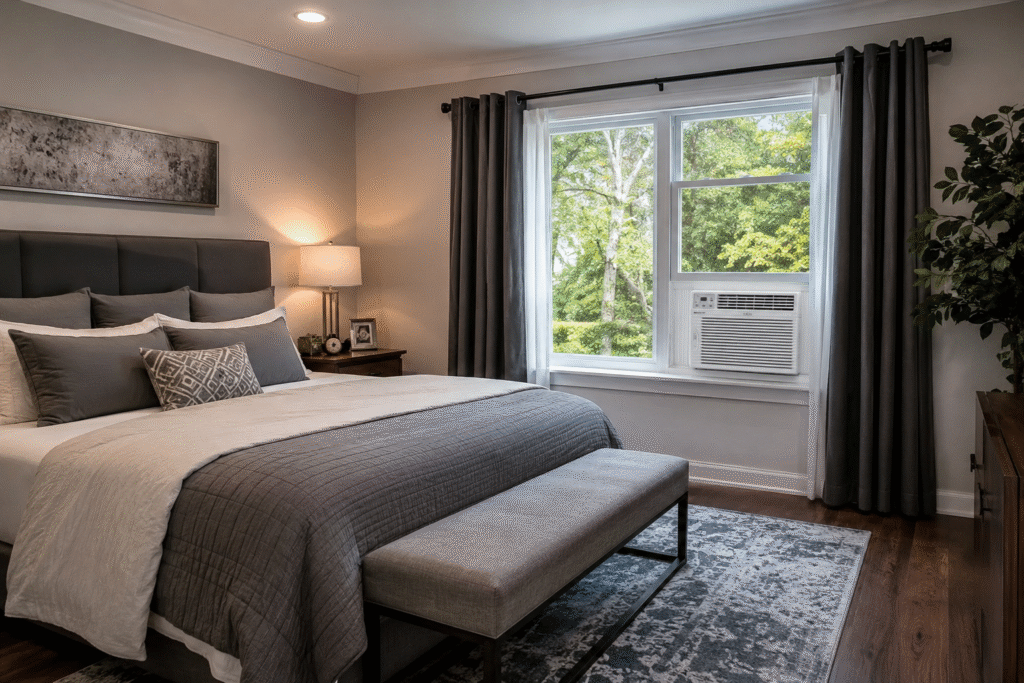
Struggling to cool medium-sized commercial spaces? Wrong AC sizes cause high power bills and fast breakdowns. Here is how I help buyers find the perfect fit.
A 12000 BTU window air conditioner usually cools a room of 450 to 550 square feet. However, commercial spaces often need a 15% to 20% capacity buffer due to direct sunlight, lots of people, and heat from equipment.
Let me share what I have learned from my years at iClima. Knowing the basic numbers is a good start, but B2B buying needs a deeper look to get the best cooling results and keep your end users happy.
How Many Square Feet Can a 12000 BTU Window AC Cool?
Hot rooms anger your customers and hurt your business. Guessing the size means you overwork the AC. Let us look at the real numbers to fix this.
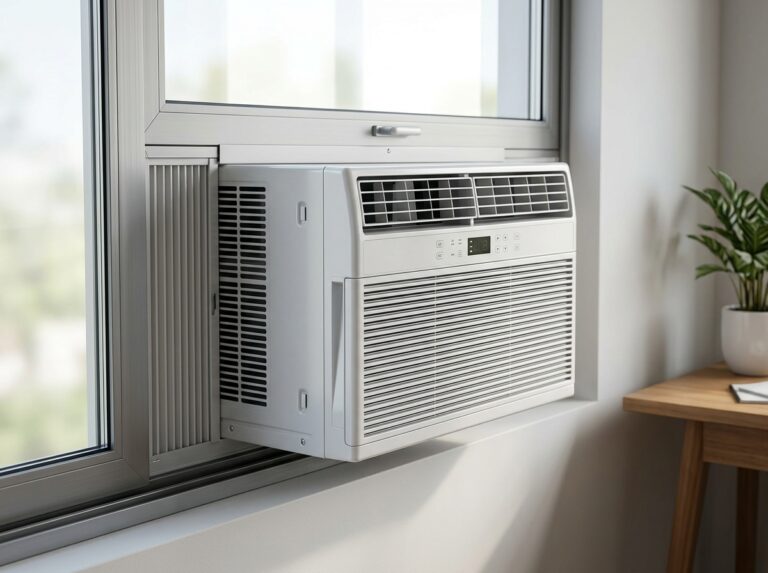
Usually, a 12000 BTU unit cools 450 to 550 square feet based on standard guides.1 But for B2B spaces, I always tell my clients to adjust for real-world heat sources to ensure steady cooling performance.
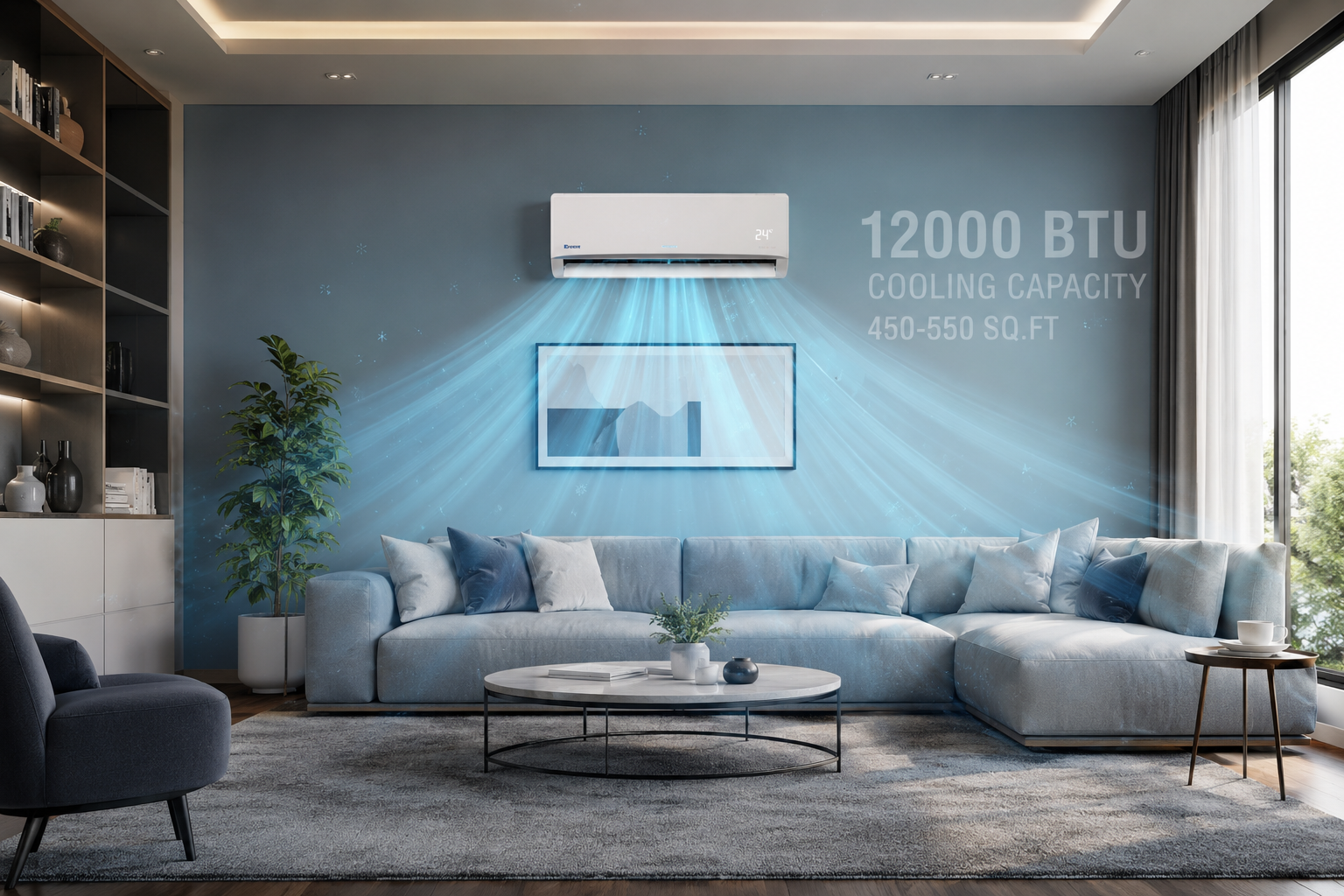
The Problem with Basic Square Footage
I see a major pitfall for B2B buyers all the time. Many buyers calculate AC sizing strictly based on square footage. They forget about critical thermal loads. Commercial spaces are not like regular home rooms. They have direct sunlight hitting the walls all day. They have high room occupancy with many people inside. They also have heat-generating equipment like computers and copy machines. If you ignore these extra heat sources, your 12000 BTU window AC will fail to keep the room cool.
Adapting to Hot B2B Markets
I deal a lot with markets from Latin America and South Africa. These regions have very high temperatures most of the year. For these places, it is highly recommended to add a 15% to 20% capacity buffer.2 You cannot trust the basic math here.
| Room Condition | Expected Cooling Area (Sq Ft) | Recommended B2B Action |
|---|---|---|
| Standard Room | 450 – 550 | Follow standard factory guidelines. |
| High Sunlight | 350 – 450 | Upgrade the unit size or add dark shades. |
| High Occupancy | 300 – 400 | Use a 20% capacity buffer strictly. |
You must test the actual space conditions. If a hotel room faces the sun all day, 500 square feet is too much space for a standard 12000 BTU unit. You need to think about the real heat load.
Key Sourcing Factors: Energy Efficiency & Wholesale Criteria?
High power costs eat your profit margin quickly. Weak AC units break easily and ruin your local reputation. Here is the right way to source durable cooling units.
When sourcing 12000 BTU window ACs, you must check the Energy Efficiency Ratio (EER) and unit build quality. High EER ratings save money3, while anti-corrosive coatings add long service life for your projects.
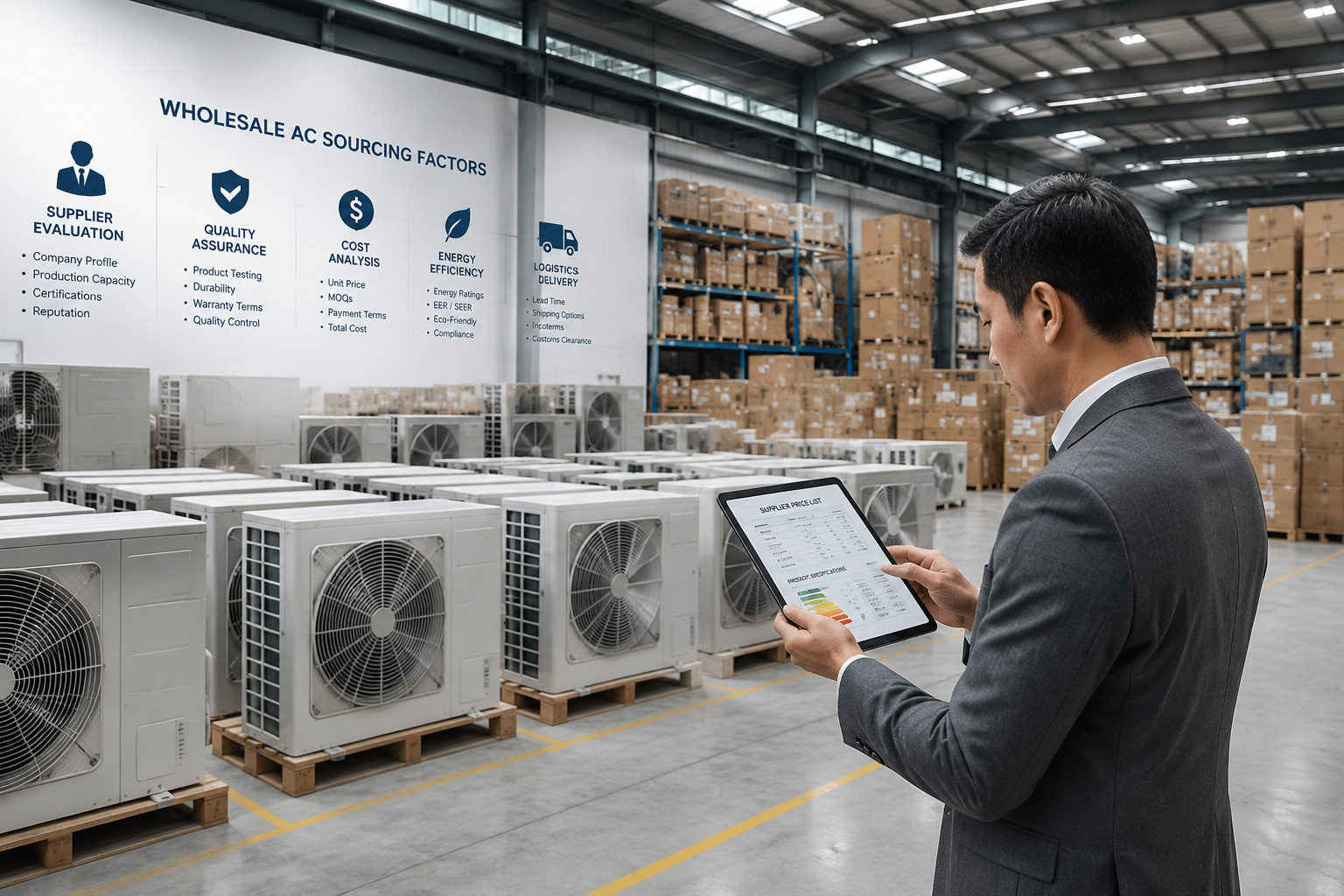
Why EER and Coatings Matter
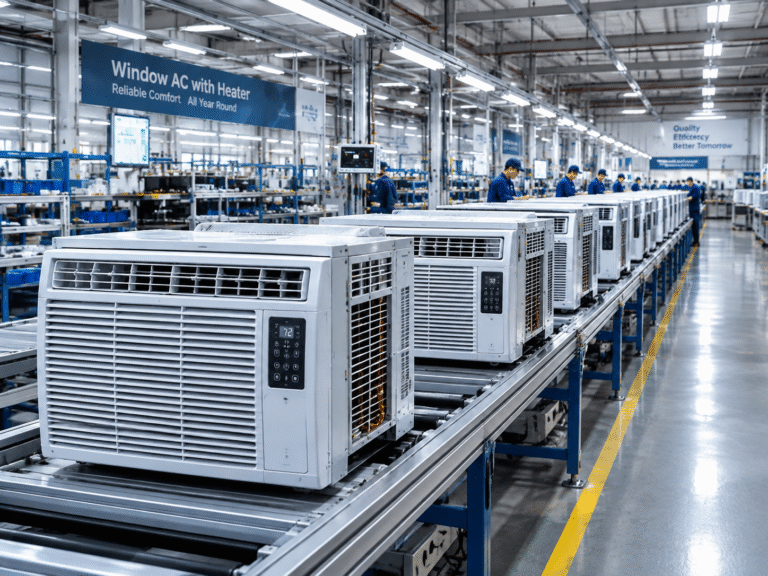
Energy costs matter a lot to government buyers and big hotels. You cannot just look at the machine price when you start a project. When you leverage iClima’s OEM/ODM capabilities, you must prioritize models with high Energy Efficiency Ratios (EER). High EER machines lower big power bills for huge commercial buildings. Also, you need good anti-corrosive coatings on the outside. This special paint protects the unit from deep rust, especially in very humid coastal places.
Winning Tenders and Retail Markets
This strategic customization commands a premium in retail. Your local buyers want to see a brand they trust. They will pay more for machines that last long and use less power. It also meets the strict compliance standards of government tenders.
| Sourcing Factor | Benefit to Buyer | Target Client |
|---|---|---|
| High EER Score | Lower power bills and highly eco-friendly. | Government Offices, Hotel Groups |
| Anti-Corrosion | Longer shelf life and much fewer repair trips. | Retailers, Coastal Building Projects |
| Custom Logo | Better brand value and higher profit margins. | Regional Corporate Distributors |
I know the rules for big local projects. A simple, cheap AC is not enough. You need the right features inside to win the bid.
Maximizing ROI: Flexible AC Procurement for Commercial Spaces?
Big orders trap your cash and fill your warehouse. Small brands force strict rules that hurt your growth speed. I have a flexible way to increase your returns.
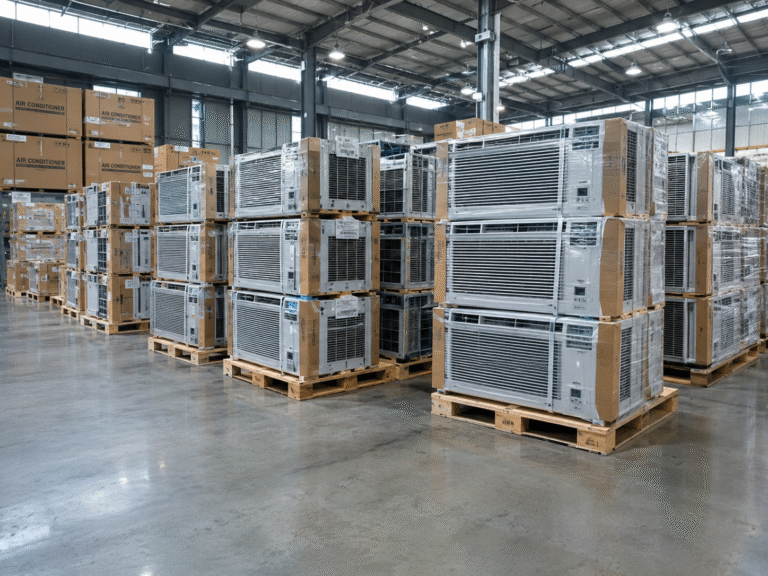
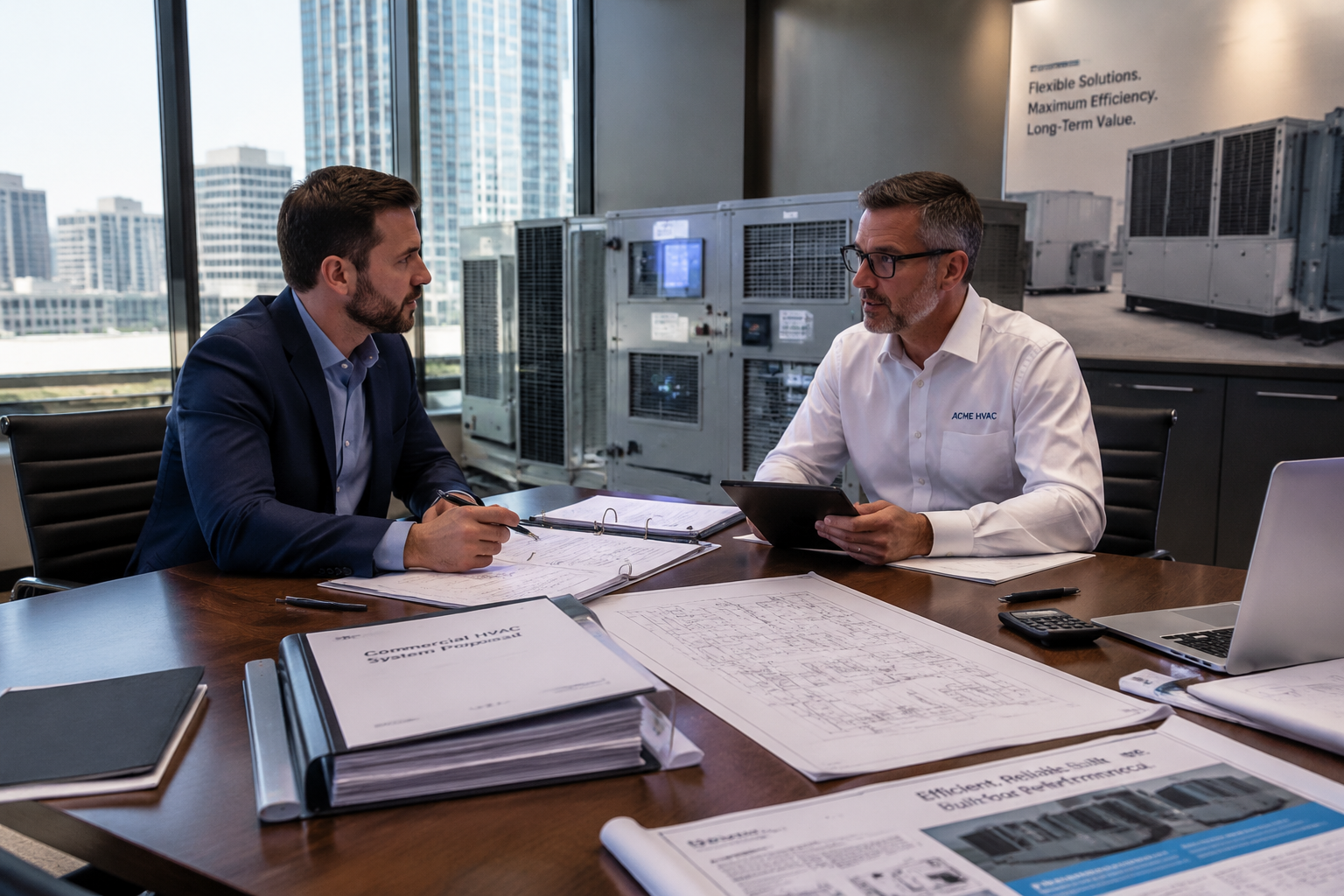
You can maximize ROI by starting with smaller orders to test the market first. Using a low minimum order lets you check the product fit before making a huge cash commitment.
The Power of Low MOQ
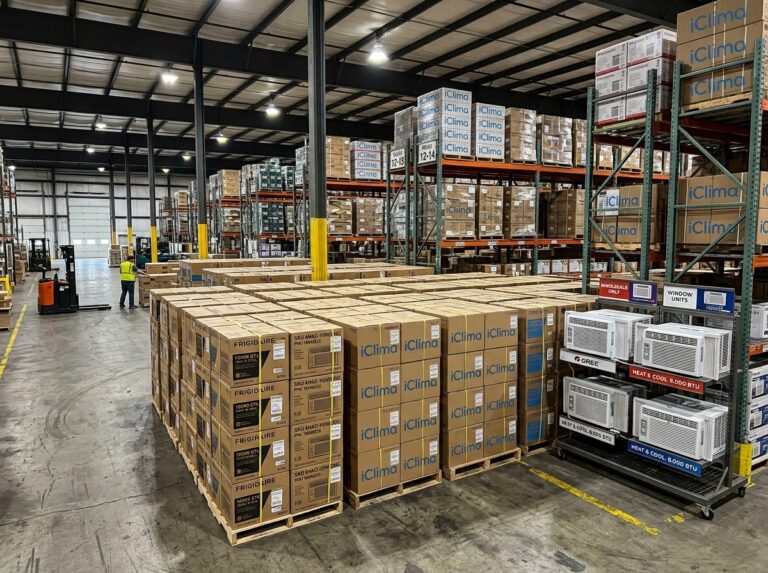
Many large suppliers force you to buy thousands of units at once. This is too risky for your cash flow. I use our low MOQ rule to help you stay safe. You should run pilot installations before a full-scale rollout. This means you buy a small batch of 12000 BTU window AC units first. You put them into a few testing rooms. You check the cooling speed, and you make sure your big clients are totally happy.
Streamlining Your Supply Chain
Once the test passes, you can scale up your orders fast. My deep partnership with TCL shows our factory quality is at the top level. You do not have to worry about broken promises.
| Procurement Stage | Action Steps | Value to Your Business |
|---|---|---|
| Phase 1: Test | Buy a few units as a strict trial run. | Low risk and you verify the actual specs. |
| Phase 2: Feedback | Ask space users about the cooling speed. | Find any local installation issues early. |
| Phase 3: Rollout | Order big bulk numbers with custom ODM. | Big profit numbers and a stable parts supply. |
As a B2B buyer, you need total flexibility. One-stop shopping with a reliable factory makes your job simple and highly profitable over time.
Conclusion
To get B2B cooling right, go beyond basic room sizes. Adjust for real heat loads, demand high efficiency, and use flexible procurement rules to protect your growing profit margins.
-
"Energy Efficient Homes: Air Conditioning | Mississippi State …", https://extension.msstate.edu/publications/energy-efficient-homes-air-conditioning. Sources on room-air-conditioner sizing can support the general rule that a 12,000 BTU/h unit is commonly matched to a room in the rough 450–550 square-foot range, though exact coverage varies with insulation, ceiling height, sunlight, and occupancy. Evidence role: general_support; source type: institution. Supports: Usually, a 12000 BTU unit cools 450 to 550 square feet based on standard guides.. Scope note: This is a sizing heuristic, not a universal cooling capacity; actual recommended area depends on building and load conditions. ↩
-
"Air Conditioning – Department of Energy", https://www.energy.gov/energysaver/air-conditioning. Guidance on HVAC load calculation often notes that added capacity may be needed in hotter climates or higher-load spaces; this source should support the general practice of applying a safety margin, while the exact 15%–20% figure remains context-dependent. Evidence role: expert_consensus; source type: paper. Supports: For these places, it is highly recommended to add a 15% to 20% capacity buffer.. Scope note: The precise percentage is not a universal standard and should be verified against climate- and building-specific load calculations. ↩
-
"Understanding Energy Efficiency Ratings in HVAC/R", https://www.rsi.edu/blog/hvacr/understanding-energy-efficiency-ratings-in-hvacr/. Sources on air-conditioner efficiency can support that a higher Energy Efficiency Ratio (EER) indicates more cooling output per unit of electricity consumed, which in turn can reduce operating electricity costs under comparable usage conditions. Evidence role: general_support; source type: research. Supports: High EER ratings save money. Scope note: This is a general engineering relationship; actual savings depend on runtime, climate, tariffs, installation quality, and maintenance. ↩