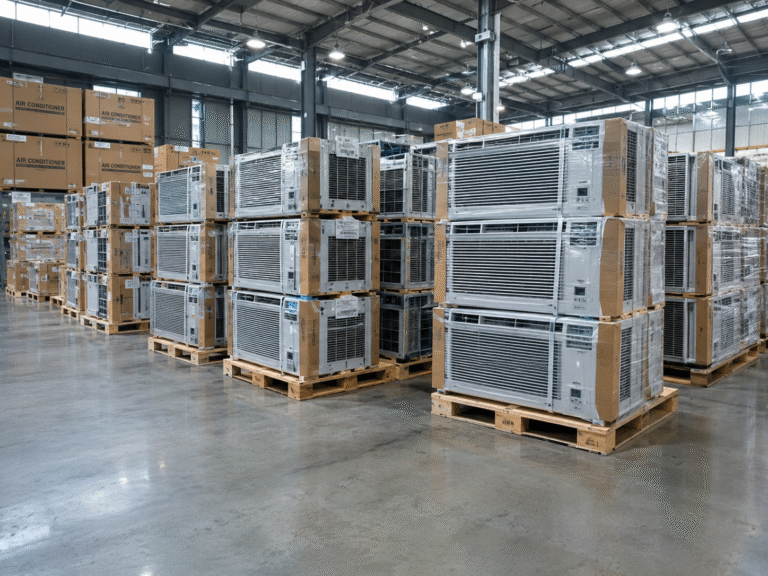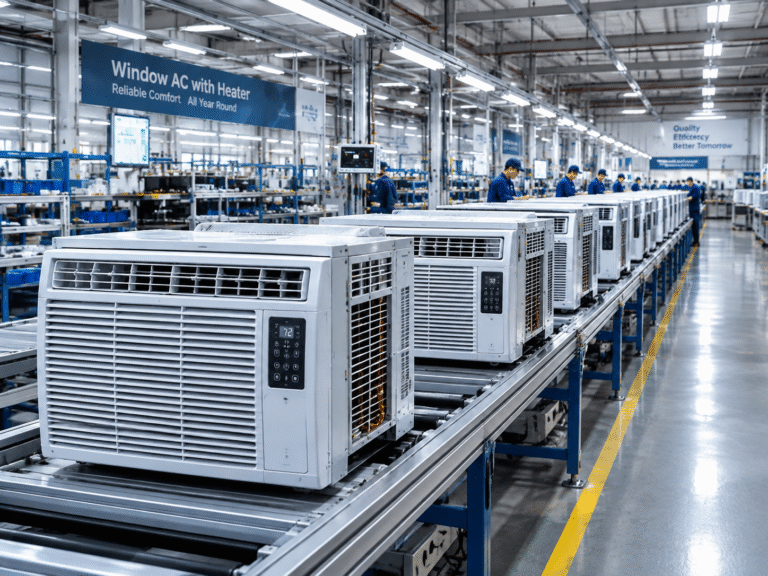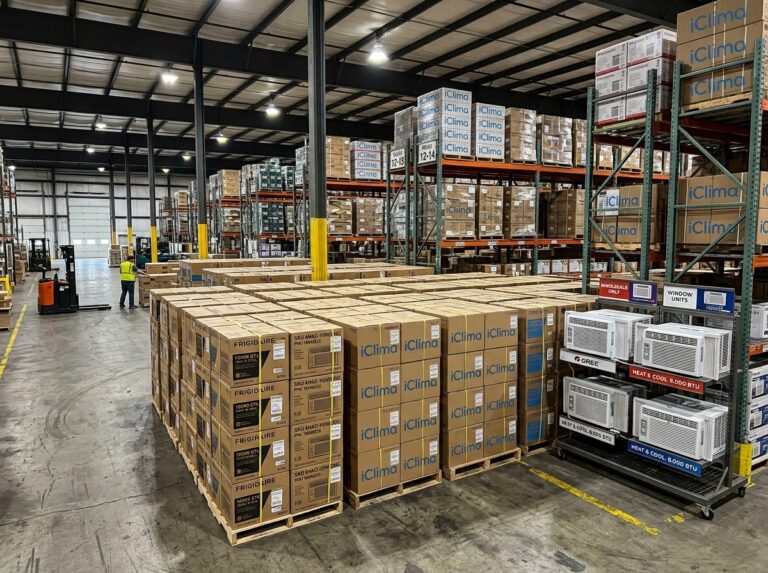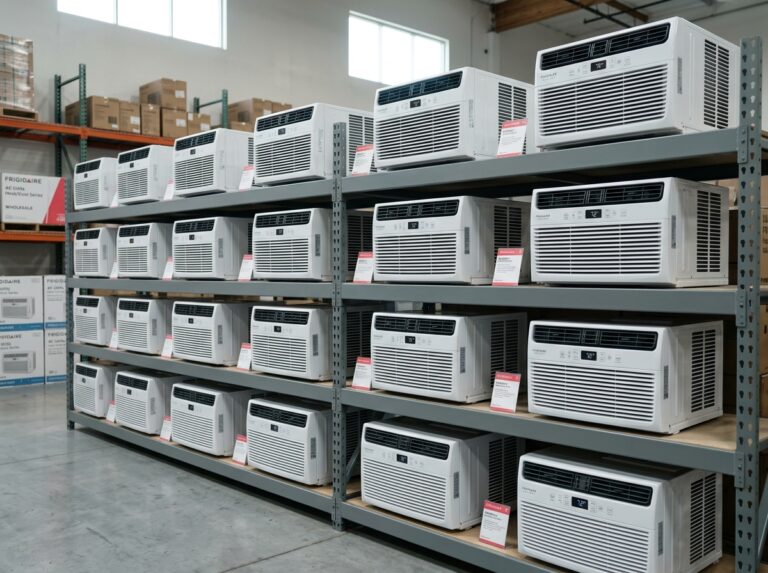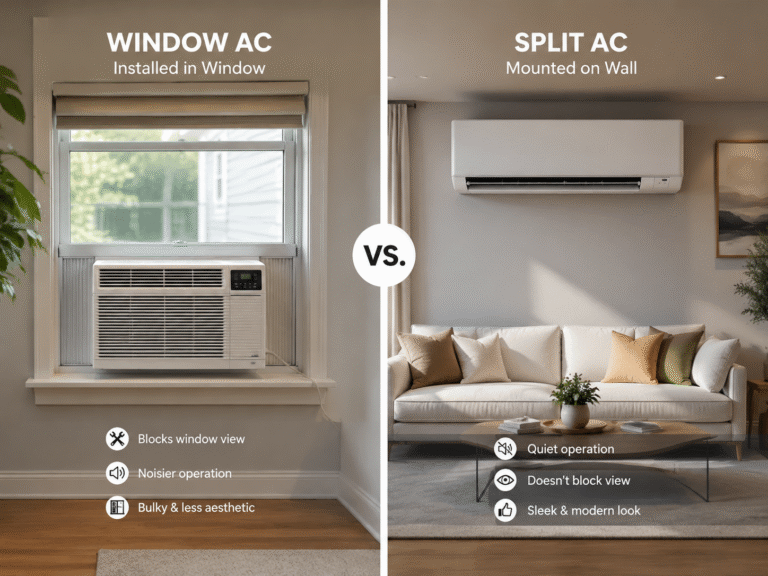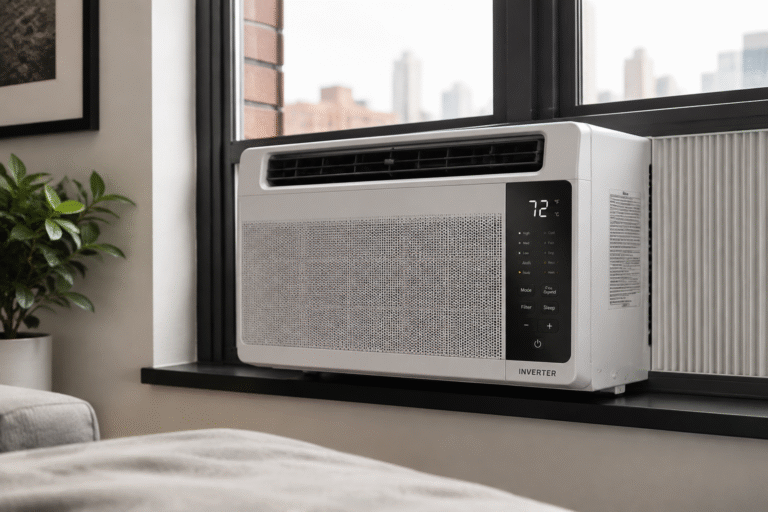


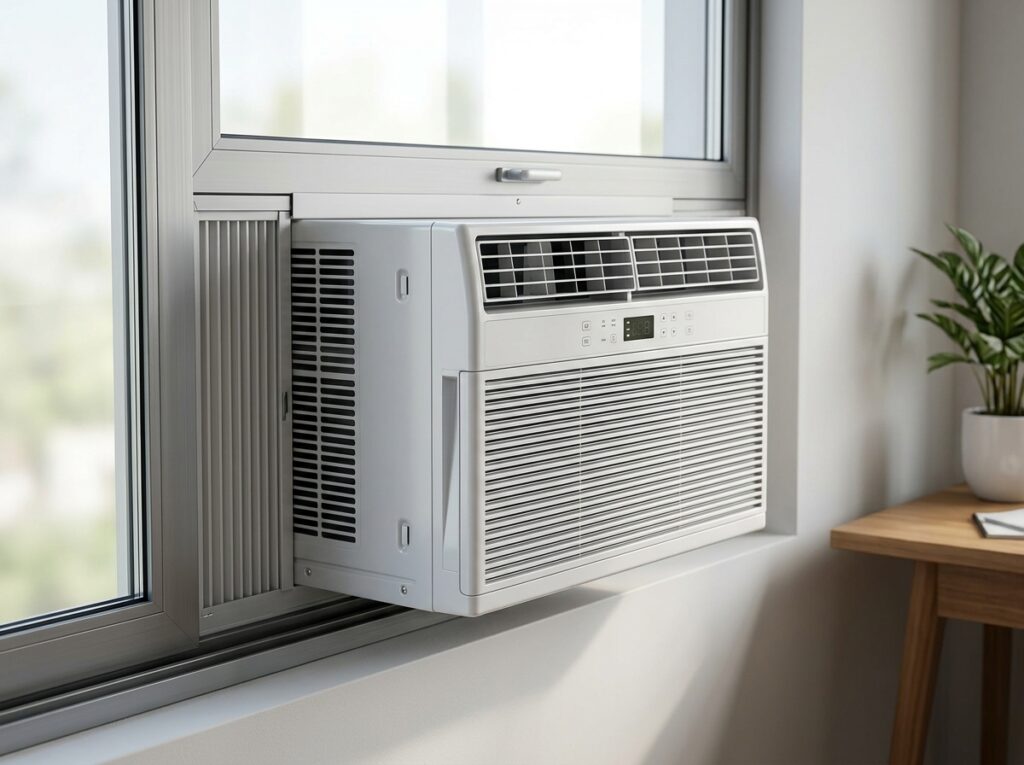
Standard window air conditioners are designed for traditional double-hung windows, leaving a massive gap in the market for buildings with horizontal sliding or casement windows. For importers and distributors, relying entirely on highly competitive standard split systems often results in squeezed margins. Missing out on the niche market for sliding window ACs means leaving profitable opportunities on the table.
What is a horizontal sliding window AC, and why source them wholesale?
A horizontal sliding window AC (often called a casement or slider AC) is a tall, narrow cooling unit built specifically for sideways-opening windows. Sourcing these units factory-direct allows B2B buyers to capture high margins in an underserved niche, private label their own equipment, and provide contractors with a low-labor cooling solution that requires no complex refrigerant piping.
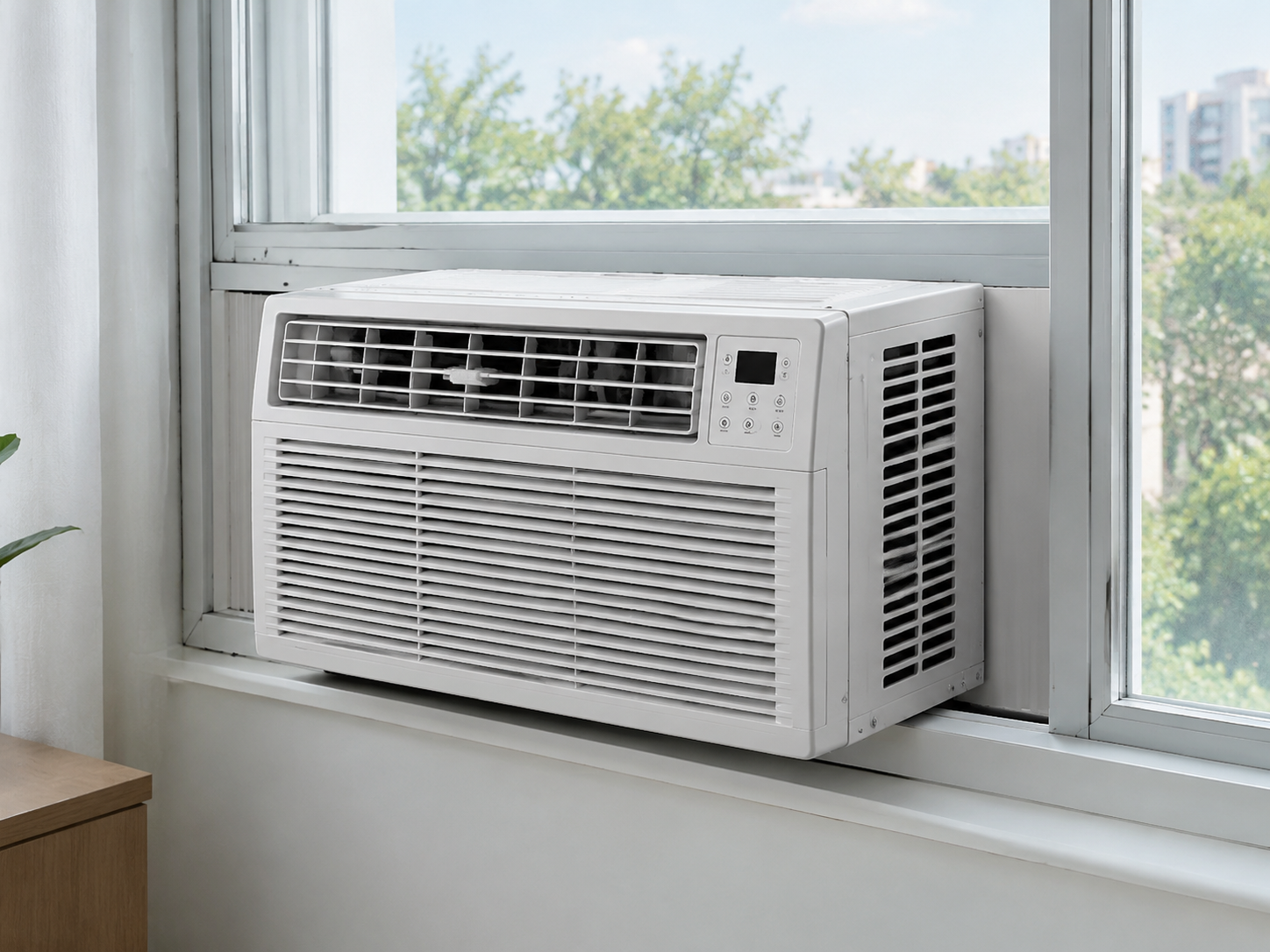
To fully capitalize on this equipment category, buyers must understand the market dynamics, evaluate factory capabilities, and align their sourcing strategy with the specific needs of regional contractors.
Unlocking a Profitable Niche: Capitalizing on the Horizontal Sliding Window AC Gap
Air conditioners designed for horizontal sliding windows are frequently treated as an afterthought by major global brands. These massive manufacturers focus their high-volume production lines on standard split systems and traditional wide window units.
For agile importers and distributors, this oversight creates a highly profitable, low-competition niche.
- Regional Demand: In regions like Latin America, architectural styles heavily feature horizontal sliding and casement windows. Standard window units simply do not fit without costly and unsightly window modifications.
- Margin Protection: The market for standard split air conditioners is saturated. You are often competing on razor-thin margins against dozens of identical suppliers. Because slider ACs are harder to find locally, importers who stock them can command premium pricing.
- Target Audience: Property managers, modular home builders, and older apartment complexes constantly look for drop-in cooling solutions that do not require building envelope modifications.
By stocking these specific units, you transition from competing purely on price to solving a specific, frustrating architectural problem for your local market.
Evaluating OEM Factory Capabilities: Custom Dimensions, Market Certifications, and Private Labeling
When sourcing an underserved product category, finding a flexible and capable OEM partner is critical. Because architectural window dimensions vary by country, your supplier must be able to adapt to your market’s specific requirements.
Rather than accepting an off-the-shelf product that might not fit local window frames, look for a B2B manufacturer capable of private labeling and custom engineering.
Key OEM capabilities to evaluate:
- Production Agility: Standard factories often demand massive Minimum Order Quantities (MOQs) for niche products. Look for partners who offer manageable MOQs to help you test the market without over-committing capital. For example, iClima’s factory supports low MOQs and rapid 30-day production lead times, allowing importers to scale quickly.
- Market Certifications: An air conditioner is useless if it cannot clear customs. Verify that the factory can produce units that comply with your region’s safety, energy efficiency, and refrigerant regulations (e.g., CB, CE, or specific Latin American energy labels). Always ask to see test reports that match the exact model and voltage you are purchasing.
- Private Labeling (ODM/OEM): Launching your own brand builds long-term equity. Evaluate if the factory can customize the front grille design, control panels, packaging, and digital displays to match your brand identity.
OEM Sourcing Checklist: Before You Order
- Confirm the exact height and width dimensions to ensure compatibility with your target market’s standard window frames.
- Verify the voltage and plug type (e.g., 115V vs. 220V) match local infrastructure.
- Ask for documentation confirming the compressor brand and refrigerant type.
- Define the scope of private labeling: Will the factory customize the remote control, manual, and outer carton with your logo?
- Confirm warranty terms on critical components like the compressor and PCB.
Bulk Sourcing for Retrofit Projects: How Contractors Can Maximize Budgets
For contractors and project developers handling apartment retrofits, student dormitories, or modular housing builds, standardizing on horizontal sliding window ACs can drastically alter a project’s budget.
When you source standard split systems, the equipment cost is only part of the equation. You must also account for licensed HVAC technicians, copper piping, vacuuming lines, and drilling through exterior walls.
Sourcing sliding window units factory-direct eliminates middleman markups and slashes installation labor. Because the refrigeration circuit is factory-sealed, these units are essentially "plug and play." A general maintenance crew can safely secure the unit into the window frame, seal the gaps, and plug it in, saving hundreds of dollars in labor per room.1
Comparing Cooling Solutions for Retrofits
| Dimension | Horizontal Sliding Window AC | Standard Split System | Standard Window AC |
|---|---|---|---|
| Window Compatibility | Tall, narrow sliding/casement | N/A (Wall-mounted) | Wide, double-hung |
| Installation Labor | Low (General handyman) | High (Licensed HVAC tech) | Low (General handyman) |
| Refrigerant Piping | Factory-sealed (None needed) | Required (Copper lines) | Factory-sealed (None needed) |
| Market Competition | Low (Niche gap) | Extremely High | High |
| Margin Potential | High | Low | Low to Medium |
Practical Takeaway: If you are a developer or specialized distributor supplying multi-family retrofits, bypass local wholesale markups by working directly with a manufacturer. The combination of lower equipment costs and nearly zero specialized installation labor provides a massive budget advantage.
Conclusion
Horizontal sliding window air conditioners represent a rare, highly profitable gap in the HVAC market. Because major brands overlook this category, agile importers and contractors can secure higher margins and solve specific architectural challenges, particularly in Latin America. When making your procurement decision, prioritize a factory-direct partner that offers flexible MOQs, fast production times, and robust private-label capabilities.
Ready to launch your own line of sliding window ACs or source in bulk for an upcoming project? Contact the manufacturing team at iClima via [email protected] to discuss custom dimensions, regional certifications, and our 30-day production capabilities.
FAQ
What is a horizontal sliding window air conditioner?
It is a tall, narrow, self-contained air conditioning unit designed specifically to fit into windows that slide open horizontally (side-to-side) or swing outward (casement windows), rather than traditional windows that slide up and down.
Why are horizontal sliding window ACs a good niche for importers?
Major global HVAC brands generally focus on high-volume standard split and traditional window units, creating a supply shortage for slider ACs. Importers can capitalize on this low-competition gap to achieve higher profit margins and fulfill unmet regional demand.
Can I private label these air conditioners with my own brand?
Yes. B2B manufacturers like iClima offer OEM and ODM services. You can customize the unit’s front grille, packaging, digital displays, and manuals with your brand logo, helping you build market equity rather than selling generic equipment.
Are these units cheaper to install than split systems?
Yes. Because they are completely self-contained and factory-sealed, they do not require copper piping, vacuuming, or a licensed HVAC technician to handle refrigerants. A general contractor can easily install them, significantly reducing project labor costs.
What should I check before sourcing these units from an overseas factory?
You must verify the unit’s exact physical dimensions, voltage, plug type, and compliance with your local market certifications. Additionally, confirm the factory’s Minimum Order Quantity (MOQ) and production lead times to ensure they align with your supply chain needs.
-
"Heating, Air Conditioning, and Refrigeration Mechanics …", https://www.bls.gov/ooh/installation-maintenance-and-repair/heating-air-conditioning-and-refrigeration-mechanics-and-installers.htm. Building or HVAC guidance can support that through-the-window room air conditioners are typically installed by setting the unit in the opening, sealing air gaps, and connecting to electricity; cost claims, including savings of hundreds of dollars per room, require separate labor-rate or case-study evidence and should be treated as contextual rather than universal. ↩