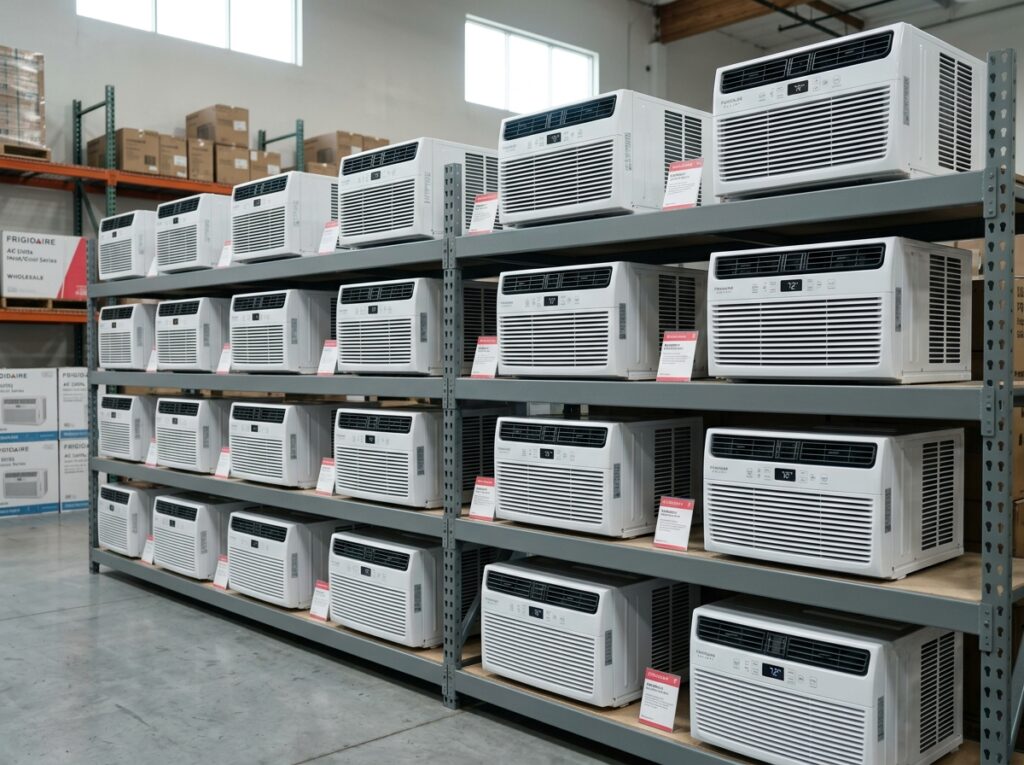
Many B2B buyers assume window air conditioners are outdated, leading them to overlook highly profitable procurement opportunities. If you ignore the surging demand for dual-function window units in budget-conscious markets, you risk losing bids for affordable housing and modular construction projects to competitors with lower installation costs.
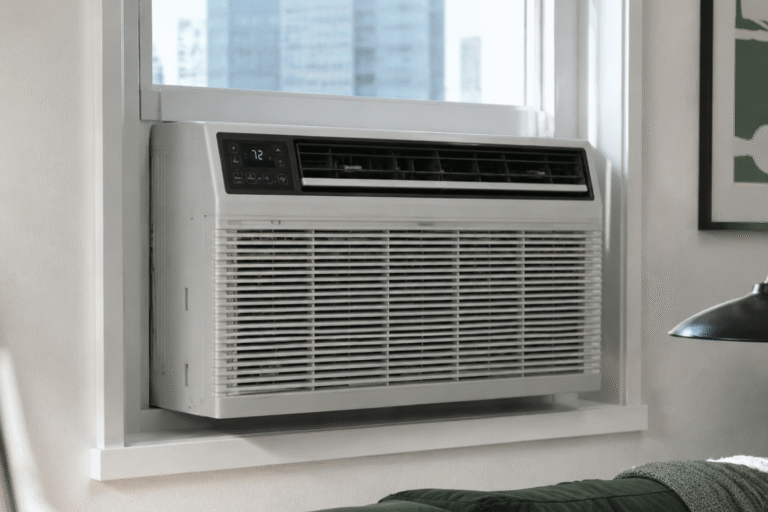
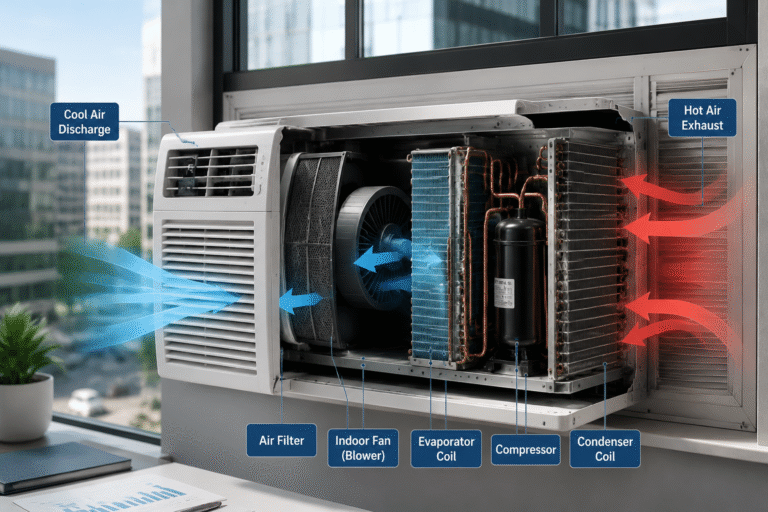
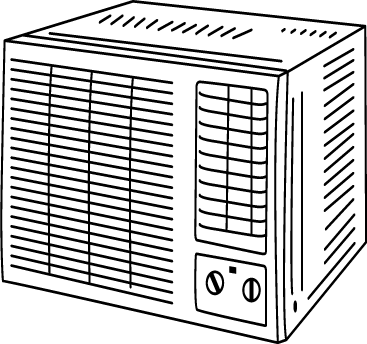
Heat and cool window air conditioners are self-contained HVAC systems equipped with reversible heat pump technology. They provide cost-effective, zero-ducting climate control ideal for container homes, budget hotels, and affordable housing. For bulk importers, these units offer high profit margins when sourced directly from manufacturers with robust OEM/ODM capabilities.
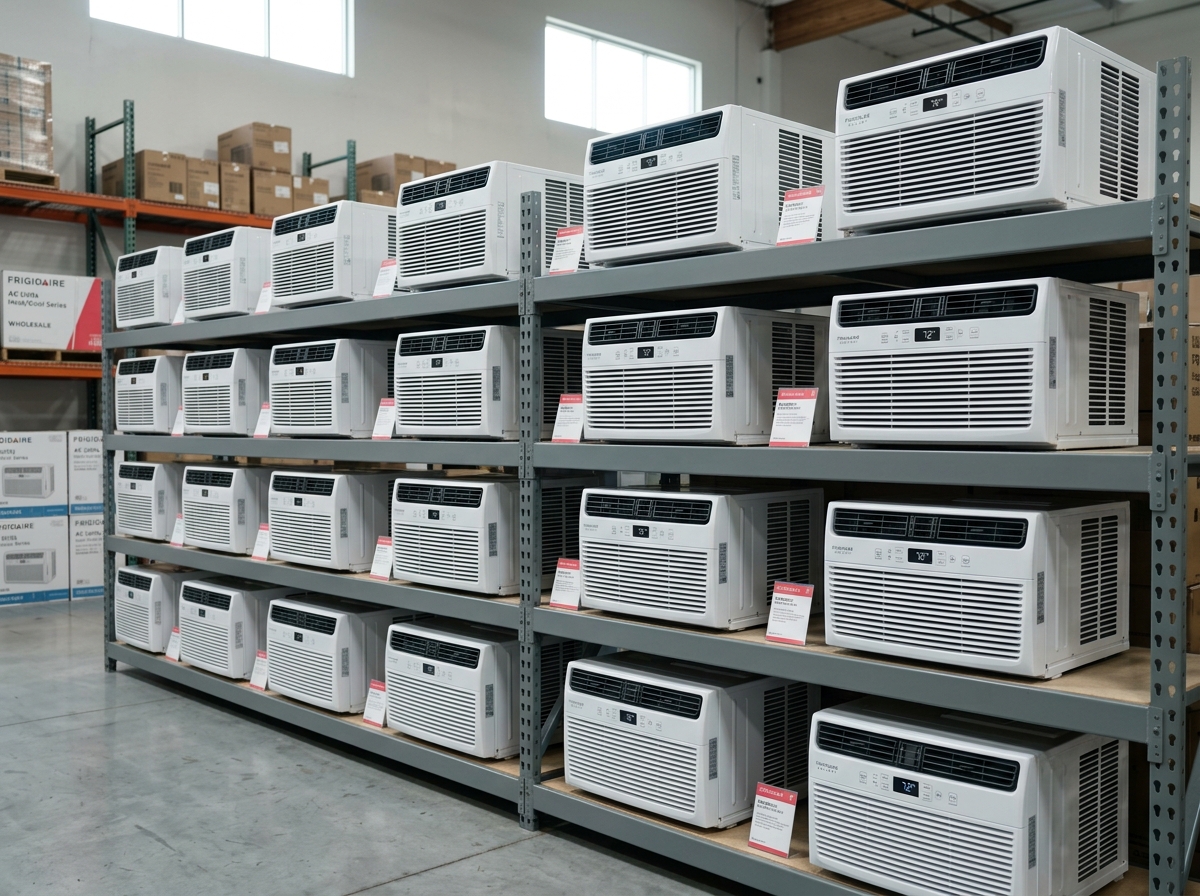
Understanding how to specify and source these versatile units can significantly strengthen your project bids and retail margins. Here is what you need to evaluate before ordering your next container.
Why Contractors and Developers Prefer Dual-Function Window ACs for Modular and Budget Projects
Heat and cool window air conditioners—specifically those utilizing heat pump technology rather than inefficient electric strip heaters—are experiencing rapid growth in markets like Latin America and South Africa. While mini-splits dominate residential upgrades, window units are the strategic choice for specific commercial and budget applications.
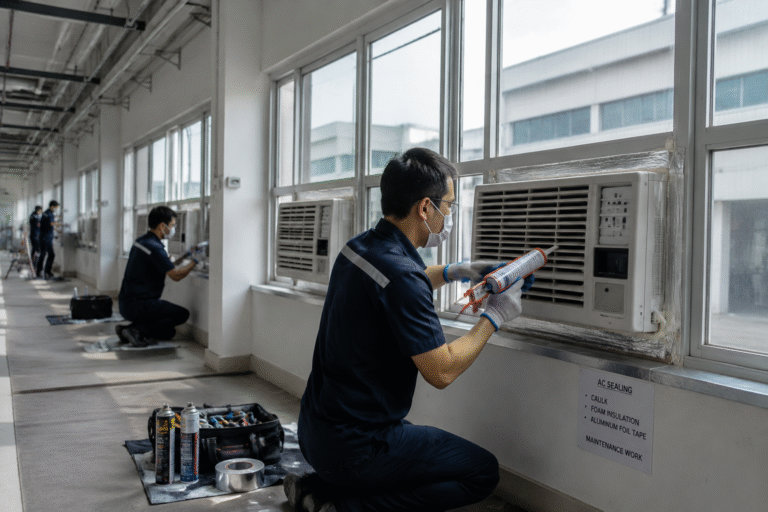
The primary advantage for contractors is the "zero-ducting, low-labor-installation" requirement. Installing a window unit requires basic carpentry or a pre-sized wall sleeve. It completely eliminates the need for specialized refrigeration technicians, vacuum pumps, and copper pipe brazing. When bidding on tight-budget tenders, reducing labor time from hours to minutes per room makes your proposal highly competitive.
Application Boundaries:
- Suitable for: Single-room climate control, affordable housing developments, container home conversions, budget hotel chains, and projects with strict upfront budget caps or limited access to skilled HVAC labor.
- Unsuitable for: Multi-room central cooling, luxury hotels requiring silent operation, or interior rooms without exterior wall access.
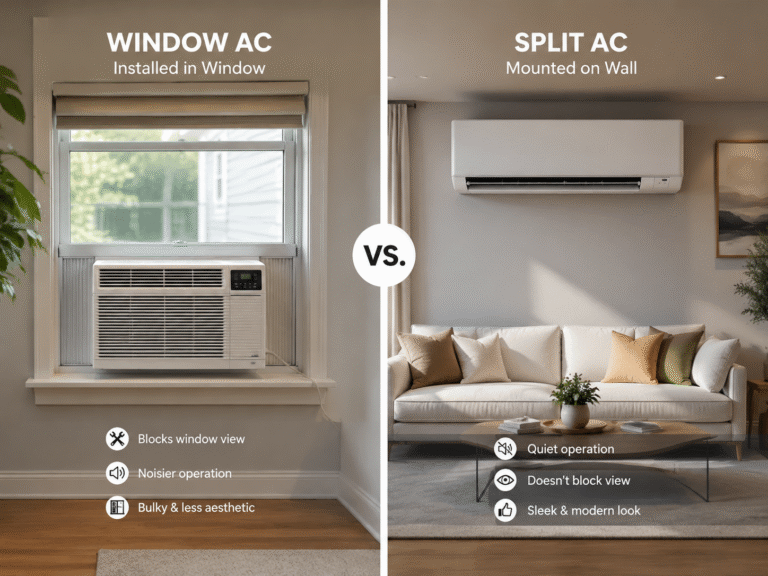
Comparison: Split Systems vs. Heat & Cool Window ACs for Projects
| Feature | Heat & Cool Window AC | Standard Mini-Split AC |
|---|---|---|
| Upfront Equipment Cost | Lower | Higher |
| Installation Labor | Low (General contractor) | High (Certified HVAC technician) |
| Piping & Ducting Required | None | Refrigerant lines and drainage |
| Maintenance Complexity | Low (Slide-out chassis replacement) | Medium (Coil cleaning, leak checking) |
| Best Project Fit | Container homes, modular buildings | Residential upgrades, premium commercial |
Practical Takeaway: If your project involves hundreds of identical rooms (like a budget hotel or temporary worker accommodation), specifying window units will drastically reduce your initial capital expenditure and long-term maintenance labor.
Key Specifications and Factory Capacities to Evaluate When Sourcing Window Units in Bulk
Evaluating the physical product is only half the sourcing process; you must also assess the manufacturer’s capacity to deliver consistently. When sourcing wholesale window air conditioners, technical specifications and factory capabilities carry equal weight.
You need to verify the cooling and heating capacity (BTU) matches the climate and design temperature of your target market. Ensure the energy efficiency ratings (EER/COP) meet local import regulations, and confirm the specified refrigerant complies with regional environmental standards.
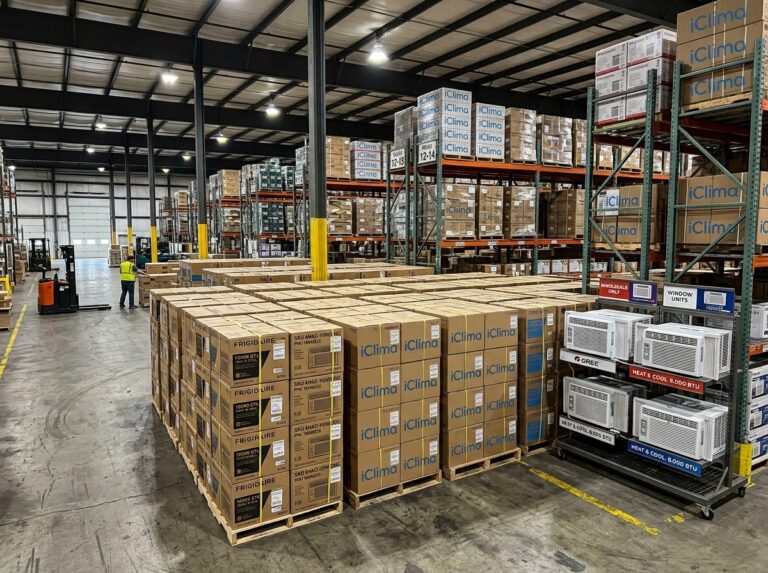
Beyond the product, evaluate the factory. A capable B2B manufacturer should have the infrastructure to support large-scale, consistent production. For example, iClima operates a 50,000 square meter factory in China with an annual output of approximately 3 million units, backed by over 15 years of industry experience. This scale ensures stable lead times and reliable quality control for wholesale buyers.
Before you order or pay a deposit checklist:
- Verify the exact factory address and request a third-party audit if necessary.
- Confirm the factory’s annual production capacity to ensure they can handle your peak season volumes.
- Request proof of required safety and efficiency certifications for your specific target market.
- Define the exact refrigerant type, voltage (e.g., 115V or 220V), and frequency (50Hz or 60Hz).
- Clarify the standard lead time for a 40HQ container and the terms for warranty replacement parts.
Leveraging OEM/ODM Services to Build a High-Margin Private Label Window AC Brand
A common trap for importers is competing solely on rock-bottom prices. This strategy erodes margins and leaves you vulnerable to the next cheap supplier. Instead, you should leverage a factory’s OEM and ODM capabilities to build a differentiated private label brand.
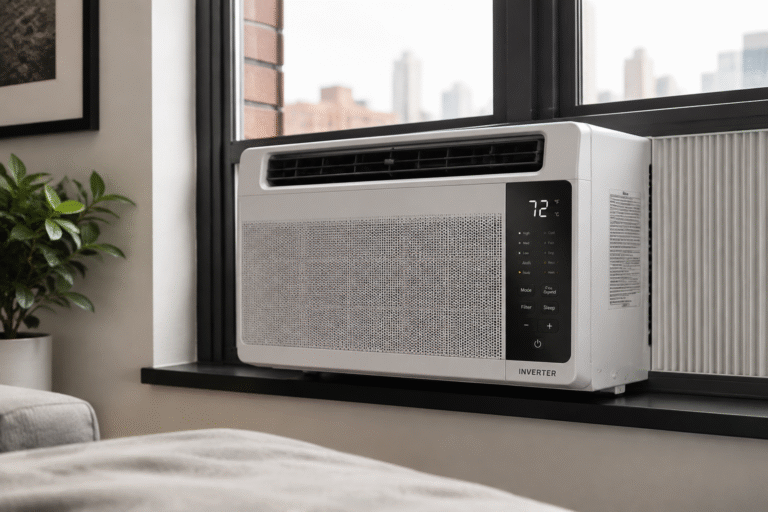
Modern window units do not have to look utilitarian. Factory-direct partnerships allow you to upgrade panel aesthetics, customize digital displays, and improve remote control designs. Upgrading the front grille design can transform a basic commodity into a premium-looking appliance, allowing for a higher retail price point.
Furthermore, working directly with an experienced manufacturer allows you to secure local market compliance certifications under your own brand name. This prevents unauthorized competitors from legally importing the exact same product into your territory, protecting your investment.
Questions to ask the supplier regarding OEM/ODM:
- What is the Minimum Order Quantity (MOQ) for custom front panel aesthetics?
- Can you assist in registering the energy efficiency certifications under our private label brand?
- Do you offer customizable packaging and multilingual manuals?
- What is the process for modifying the unit’s digital display or smart control features?
Ready to specify window units for your next project or product line?
Contact iClima at [email protected] to discuss your target market, required cooling loads, local certification requirements, and OEM/ODM private-label needs.
Conclusion
Wholesale heat and cool window air conditioners remain a highly profitable, low-labor solution for budget and modular projects. By partnering directly with a high-capacity manufacturer, importers and contractors can bypass price wars, develop custom-branded units, and consistently win tight-budget tenders. Always verify your supplier’s production capacity and market-specific certifications before placing your next bulk order.
FAQ
Are window air conditioners with heat pumps efficient?
Yes, window air conditioners equipped with reversible heat pump technology are highly efficient for single-room applications. They transfer heat rather than generating it with electrical resistance, significantly lowering energy consumption in moderate climates.
Why do contractors choose window ACs over mini-splits for modular homes?
Contractors prefer window units for modular and container homes because of the zero-ducting, low-labor installation. They eliminate the need for specialized refrigeration lines, complex electrical wiring, and expensive HVAC technicians, reducing overall project costs.
Can I customize the design of wholesale window air conditioners?
Yes, sourcing directly from a factory with OEM/ODM capabilities allows you to customize the front panel aesthetics, digital displays, packaging, and branding to create a profitable private label product.
What should I verify before importing window ACs in bulk?
Before paying a deposit, verify the factory’s production capacity, quality control processes, precise market certifications (such as energy labels), refrigerant compliance, and warranty terms for bulk orders.
Which markets have high demand for heat and cool window units?
Regions like Latin America and South Africa have surging demand for these units, driven by affordable housing developments, temporary worker accommodations, and a need for low-cost, easy-to-install climate control.