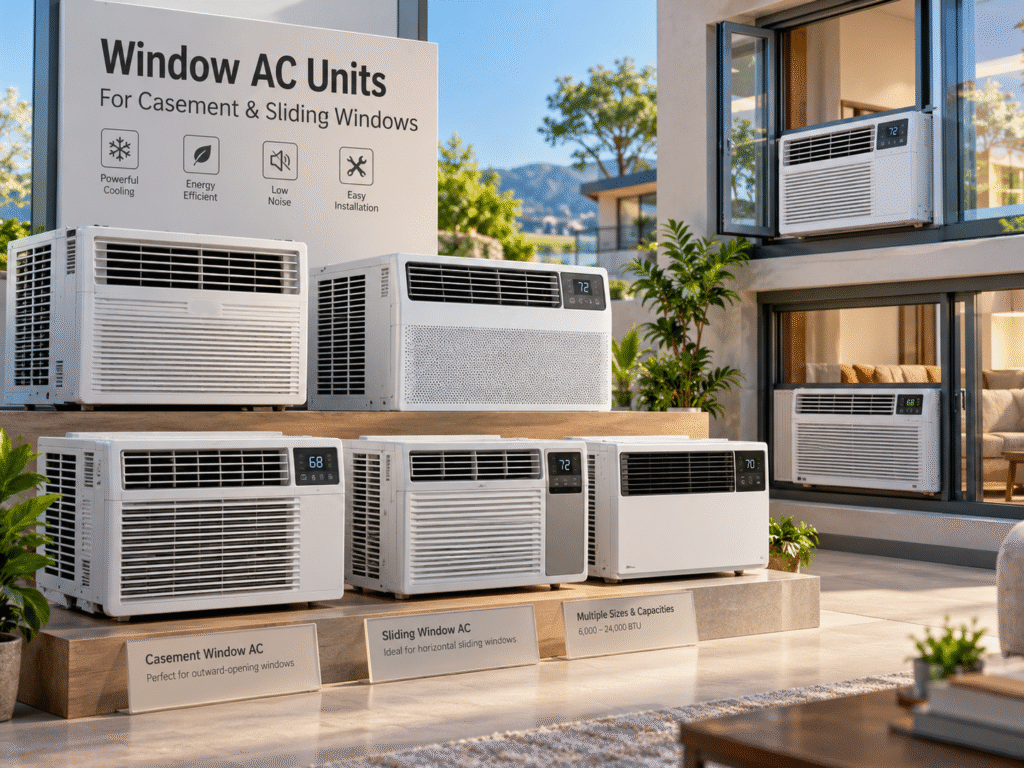
Ordering bulk window air conditioners without matching the chassis dimensions to local window styles creates immediate problems on the job site. When standard units do not fit narrow casement or horizontal sliding frames, contractors face custom carpentry costs, delayed project handovers, and rejected public tender installations.
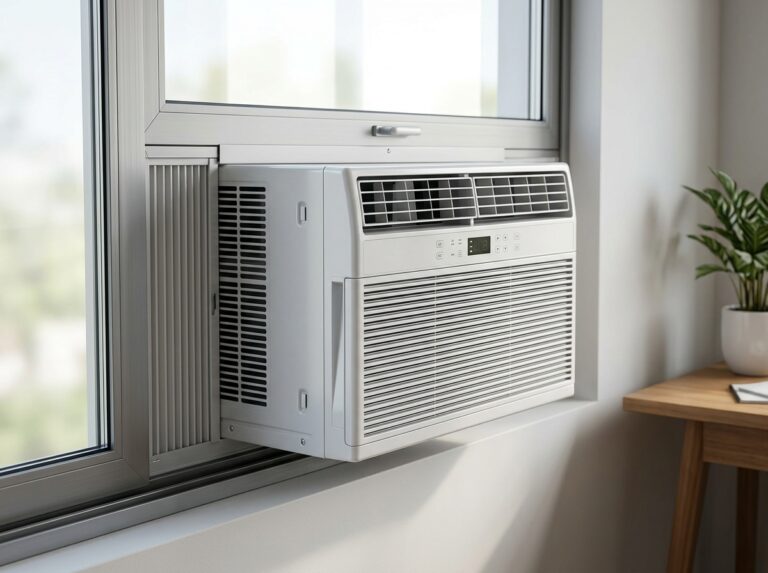
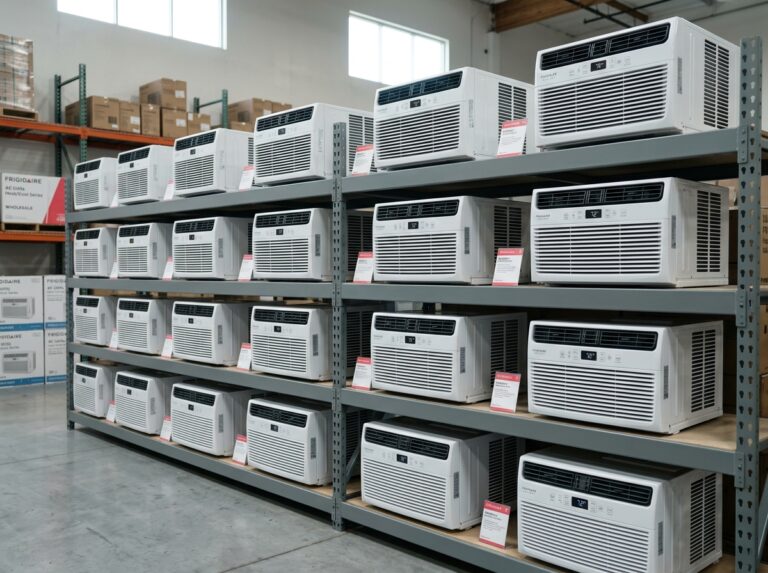
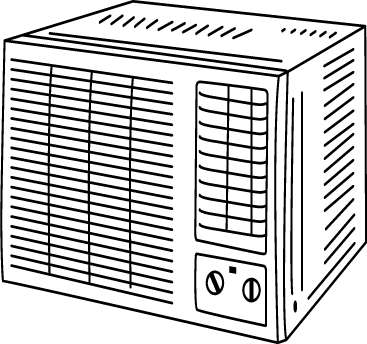
To specify wholesale window ACs accurately, buyers must match the unit’s physical chassis and mounting kit to the target window opening. Standard wide-body units fit traditional vertical double-hung windows, while narrow-chassis or vertical-style window ACs with specialized filler panel kits are required for casement and horizontal sliding windows.
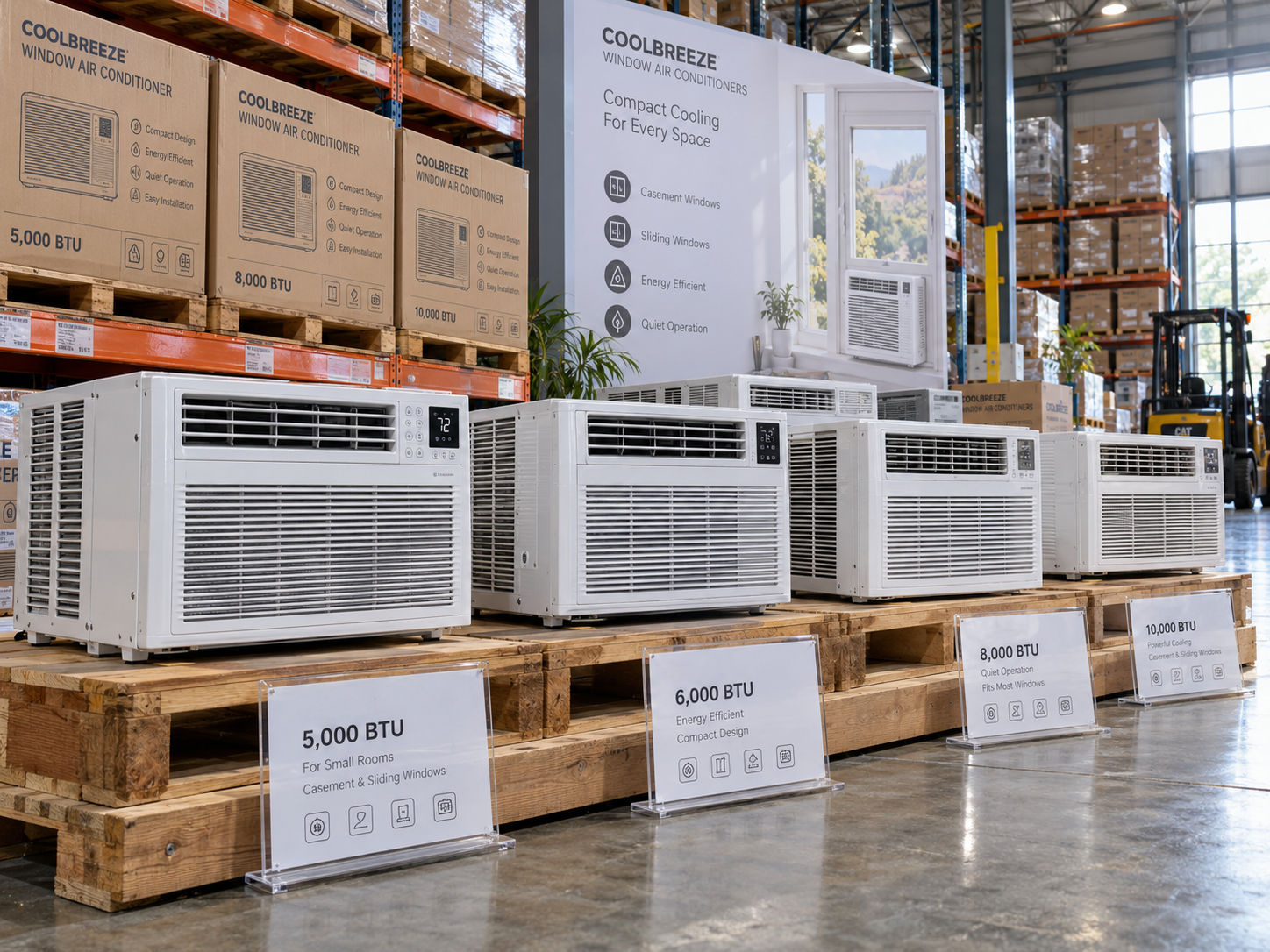
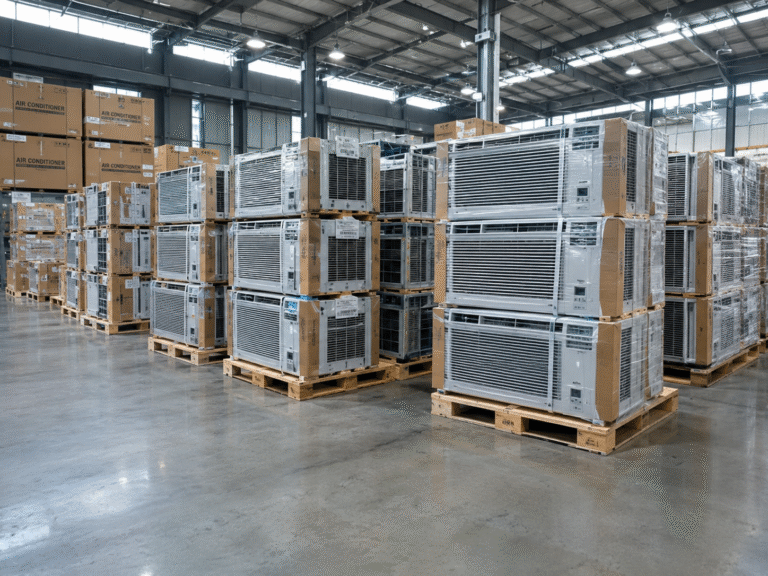
Before placing a bulk container order, importers and project engineers need to understand why window units remain vital for specific commercial applications and how to prevent installation bottlenecks at the factory level.
Solving Complex Retrofit Challenges: Why Contractors Still Demand Bulk Window AC Units
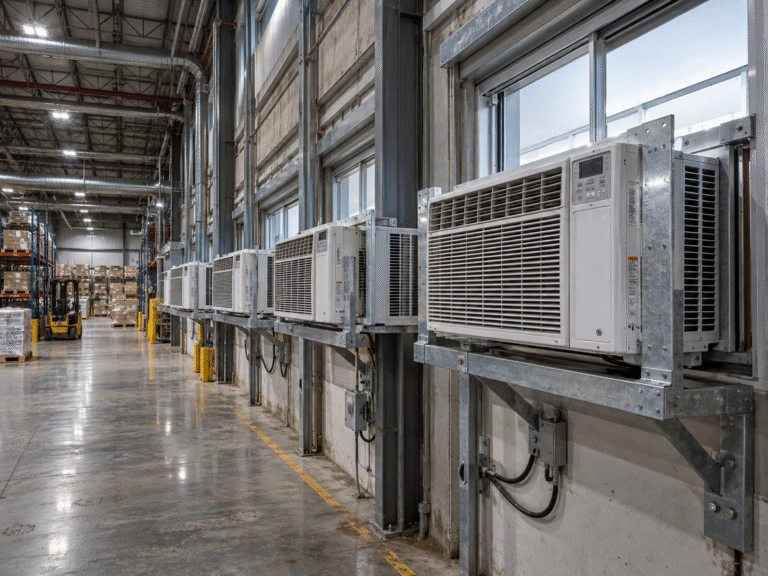
While split systems dominate residential retail, bulk window air conditioners remain a critical, high-margin solution for commercial retrofits, modular housing, and public tender projects. In markets across Latin America and South Africa, structural restrictions and labor budgets often dictate the equipment choice.
When contractors manage large-scale upgrades for older office buildings, schools, or prefabricated worker dormitories, installing split systems is not always feasible. Drilling through thick masonry, reinforced concrete, or historic facades is frequently prohibited by building codes or property management rules. Even when allowed, running refrigerant lines and hiring certified technicians for hundreds of rooms drives labor costs beyond tender budgets.
Window ACs eliminate the need for refrigerant piping and exterior wall core-drilling. However, the primary bottleneck for HVAC contractors on these sites is rarely the cooling capacity—it is fitting standard units into non-standard window openings without blowing the labor budget on custom framing.
Application Boundaries for Bulk Buyers:
- Suitable scenarios: Government school or hospital tenders, mining and construction site modular containers, historical building retrofits, and high-turnover rental properties where low installation and maintenance costs are priorities.
- Unsuitable scenarios: Luxury residential builds, interior rooms without exterior window access, or projects with strict exterior aesthetic restrictions against window-mounted equipment.
Buyer Action: Review upcoming regional public tenders and commercial retrofit projects in your territory. Identify what percentage of these buildings use non-standard window frames, and stock your warehouse inventory to serve contractors bidding on these restricted sites.
Distributor’s Inventory Checklist: Matching Chassis Sizes and Mounting Kits to Window Types
Stocking a single standard window AC chassis size limits your ability to supply diverse commercial projects. Distributors must evaluate the exact mechanical operation of local window styles and match them with the correct unit dimensions and factory mounting hardware.
Different architectural regions favor different window mechanics. A standard horizontal unit designed for a traditional vertical sash window will leave massive gaps—or fail to fit entirely—inside a narrow crank-out casement frame.
| Window Type | Typical Opening Geometry | Required AC Chassis Style | Critical Mounting Hardware | Installation Risk if Mismatched |
|---|---|---|---|---|
| Vertical Double-Hung (Sash) | Wide horizontal opening; sash drops down from top | Standard horizontal chassis | Accordion side panels, top sash rail, sill support bracket | Sash instability or air leakage around side curtains |
| Horizontal Sliding | Tall, narrow vertical opening; pane slides left or right | Narrow-width or vertical casement/slider chassis | Extended vertical filler panels, sliding track seal locks | Unit is too wide for the open track; requires removing the entire window pane |
| Crank-Out Casement | Hinged on the side; opens outward with narrow clearance | Compact or vertical casement chassis | Custom casement framing kit, deep support platform, plexiglass/foam seal panels | Outer cabinet hits the hinged window frame; severe gap sealing labor costs |
Practical Takeaway: Do not order a uniform container of standard-width window ACs if your target market heavily utilizes horizontal sliders or casement frames. Split your container load across chassis profiles or source adaptable mounting kits to prevent dead stock.
Before You Order: Inventory Verification Checklist
Before finalizing your next procurement order, verify these specifications with your engineering team and supplier:
- Minimum and Maximum Window Width: Confirm the exact clearance of the bare chassis and the maximum extension of the side filler panels.
- Chassis Depth and Weight Distribution: Ensure the included exterior support brackets can handle the unit’s weight on thin aluminum or vinyl window sills common in modular housing.
- Slide-Out vs. Fixed Chassis: For commercial contracts, specify slide-out chassis models when possible. This allows contractors to install the outer sleeve into the window frame first, reducing lifting hazards and simplifying future maintenance.
- Power Cord and Plug Configurations: Match the voltage, frequency (50Hz vs. 60Hz), and NEMA or regional plug types to existing building outlets to avoid electrician call-outs.
OEM Customization at the Factory Level: Adapting Casings and Accessories for Niche Regional Markets
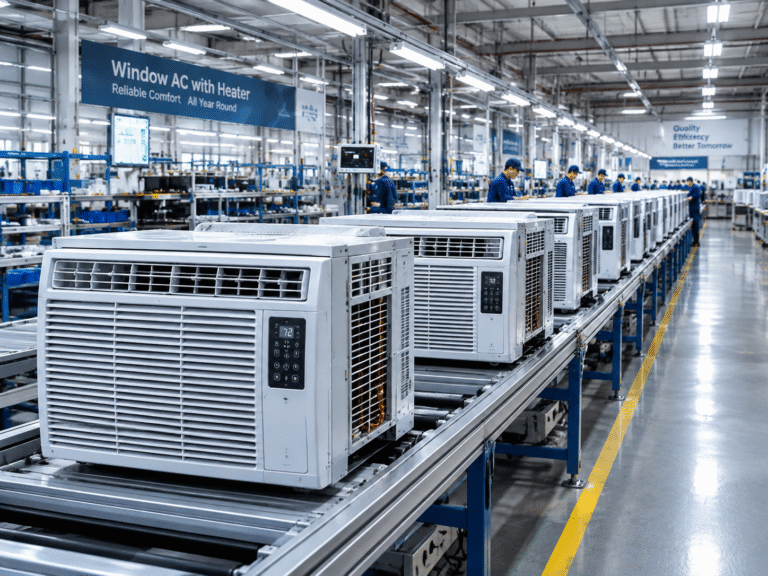
Off-the-shelf consumer window ACs often lack the specific mounting accessories required for fast commercial installations. Working directly with an OEM/ODM manufacturer allows importers and distributors to pre-configure chassis dimensions, installation kits, and protective treatments before the units leave the factory.
When contractors have to fabricate wooden or metal filler boards on-site to fit a window AC into a sliding window, project profitability drops. By addressing these physical constraints during the manufacturing phase, wholesale buyers can offer a turnkey product that installs in minutes rather than hours.
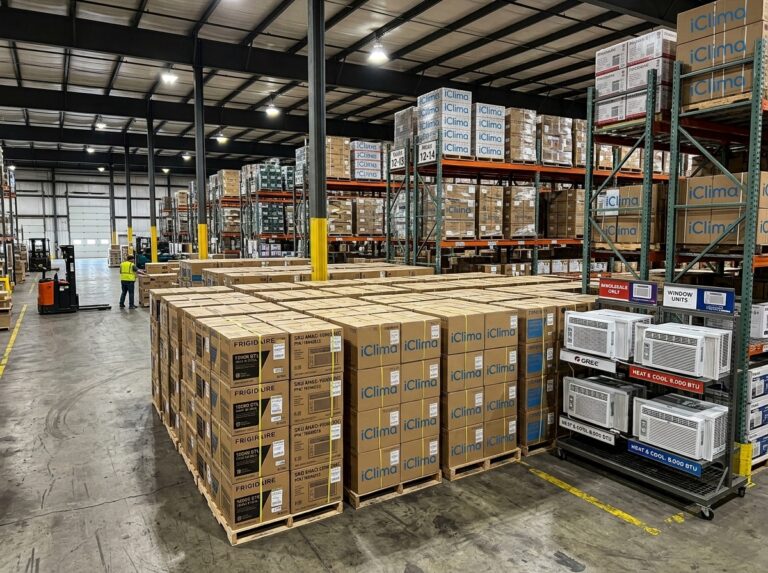
As a B2B manufacturer operating a 50,000-square-meter facility with over 15 years of industry experience, iClima works with trade buyers to solve these site-level installation challenges at the production line. Rather than acting solely as a bulk supplier, our engineering team adapts units to fit regional architectural standards in South Africa, Latin America, and other export markets.
Questions to Ask Your OEM Supplier Before Paying a Deposit
When negotiating an OEM window AC order, ask the factory to confirm the following capabilities:
- Custom Installation Kits: Can the factory include extended vertical filler panels, heavy-duty exterior support brackets, or high-density weather stripping inside the standard carton?
- Dimensional Adaptability: Which specific chassis molds are available for narrow-window applications across different BTU capacities?
- Environmental Protection: For coastal or high-humidity markets, can the factory apply hydrophilic aluminum fin coatings or anti-corrosion cabinet treatments to the outdoor side of the chassis?
- Order Flexibility and Timelines: Can the supplier accommodate custom private-label packaging and accessory adjustments with a low MOQ and a predictable 30-day lead time?
- Compliance Verification: Do the specific models match the energy efficiency, refrigerant, and electrical safety certifications required by your destination country’s customs authorities? (Always verify the exact certificate numbers and covered model names before shipment).
Streamline Your Next Tender or Inventory Order
Specifying the right window AC comes down to exact physical measurements. If you are preparing a bid for a commercial retrofit, modular housing project, or seasonal wholesale stock, our engineering team can help you match the right unit to your market’s window profiles.
Contact iClima at [email protected] or visit https://www.iclimaac.com/ to download our complete Window AC dimensional spec sheets. Share your target market, cooling load requirements, power supply standards, and OEM customization needs so we can help you streamline your next tender submission or inventory order.
Conclusion
Profitable wholesale window AC procurement requires looking beyond basic BTU ratings and unit pricing. By matching chassis geometries and factory mounting kits to the specific casement, sliding, or vertical windows in your region, you directly reduce on-site labor costs for your contractor clients. Always verify exact chassis dimensions and installation hardware before paying a deposit, and partner with an experienced OEM manufacturer to customize kits for your local building standards.
FAQ
Can a standard window AC be installed in a horizontal sliding or casement window?
A standard window AC is frequently too wide for casement or horizontal sliding windows. While contractors can sometimes fit compact standard units into wider sliding frames using custom-built vertical filler boards, this increases labor costs. Sourcing narrow-chassis units with factory-supplied vertical mounting kits is more practical for bulk projects.
What is the difference between a fixed chassis and a slide-out chassis window AC?
A fixed chassis has the internal cooling components permanently attached to the outer metal cabinet, requiring the installer to lift the entire heavy unit into the window at once. A slide-out chassis allows the installer to secure the empty outer sleeve into the window frame first, then slide the mechanical core in safely.
How do I verify which window AC chassis sizes to stock for my region?
Survey local HVAC contractors, property managers, and recent public tender documents to identify the most common window opening widths and heights in older commercial buildings and modular housing. Request complete dimensional drawings from your manufacturer to ensure the bare chassis and expandable side panels fit those measurements.
What OEM customizations are most useful for wholesale window AC buyers?
Beyond private-label branding and packaging, the most valuable OEM customizations include modified mounting brackets for thin window sills, extended filler panels for tall sliding windows, region-specific power cords, anti-corrosion coil coatings for coastal areas, and pre-installed drain kits for condensate management.
What is the typical lead time for a customized bulk order of window air conditioners?
Lead times depend on component availability, seasonal factory schedules, and certification requirements. At iClima, supported by an annual output capacity of approximately 3 million units, we typically support trade buyers with a low MOQ and a 30-day lead time for confirmed OEM orders.