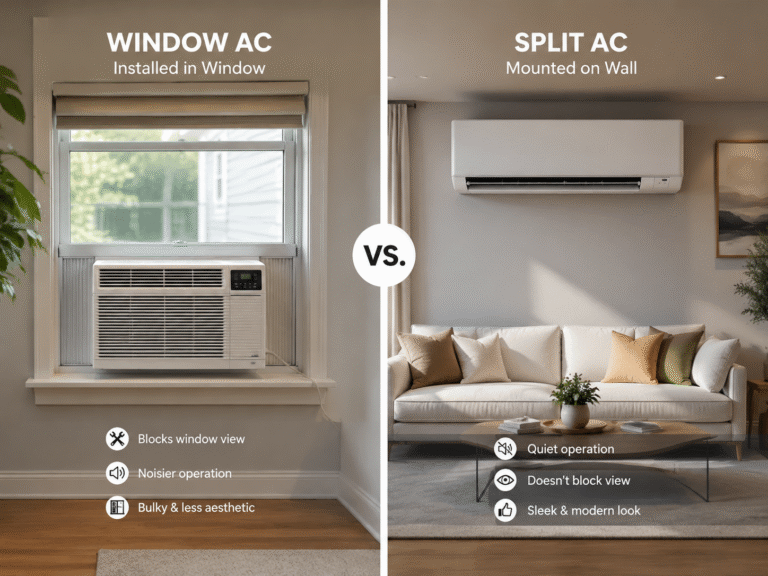


Many trade buyers and project developers face shrinking margins and rising installation costs with traditional split HVAC systems. If you write off window units as a declining, low-margin category, you risk missing out on a highly profitable, untapped architectural niche.
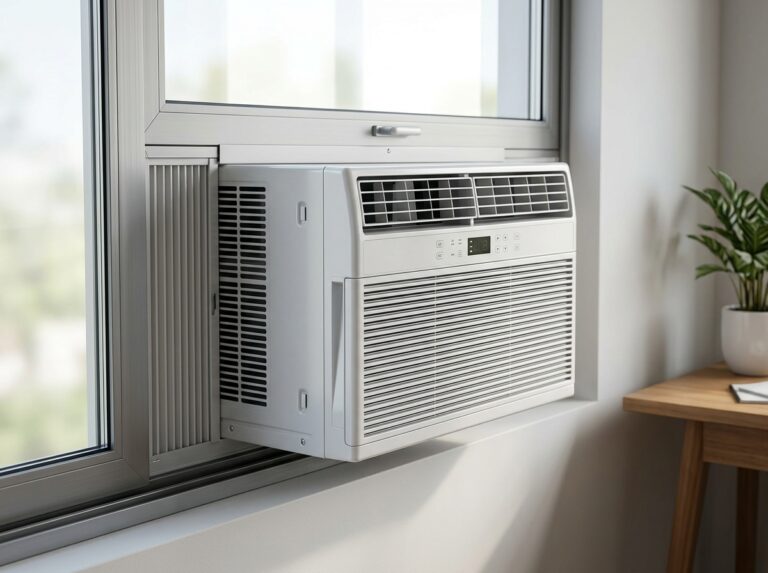
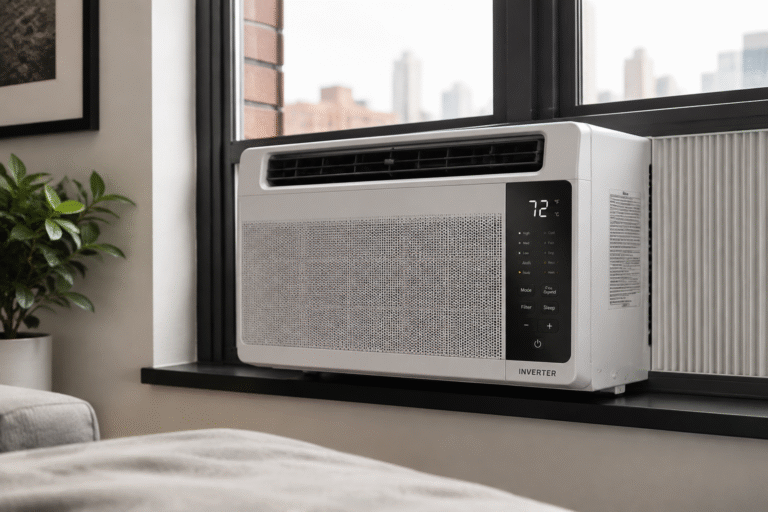
Horizontal sliding window air conditioners are specialized, plug-and-play cooling units designed specifically for sliding window frames. For importers and multi-housing developers, these pipe-free systems offer high margins in targeted regions by combining zero skilled-labor installation with rapid OEM customization to build strong local brand moats.
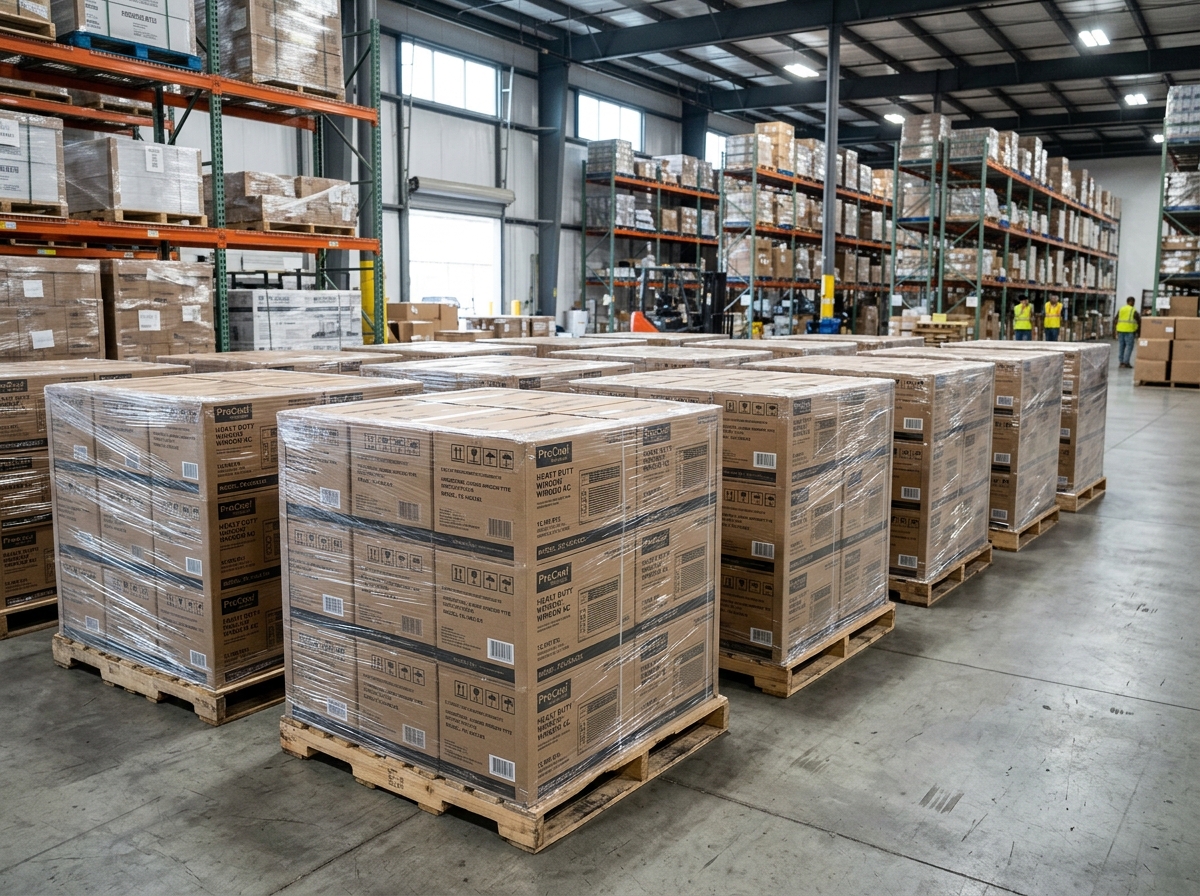
Understanding how to specify, customize, and source these units effectively can significantly impact your procurement ROI. Here is what trade buyers need to know before placing a bulk order.
Bridging the Market Gap: Why Horizontal Sliding Window ACs Are a High-Margin Niche for Distributors
Many importers mistakenly view window air conditioners as a low-margin, declining category rapidly being replaced by mini-splits. While this may be true for standard double-hung window units in certain markets, it ignores regional architectural realities.
In regions like Latin America, horizontal sliding windows are structurally dominant in both residential and light commercial buildings.1 Standard window ACs do not fit these frames without heavy modification, leaving a massive gap in the market.
By sourcing horizontal sliding window ACs, distributors bypass the hyper-competitive, price-driven split system market. You enter a high-demand, low-competition niche. This product alignment means you are not just selling an air conditioner; you are providing a targeted architectural solution that local retailers and end-users are actively searching for.
Application Boundaries:
- Suitable for: Markets with high concentrations of horizontal sliding windows (e.g., Latin America), multi-housing projects, and regions with high skilled-HVAC labor costs.
- Unsuitable for: Traditional vertical double-hung windows, or commercial spaces requiring centralized climate control.
Buyer Action: Evaluate your target market’s primary window architecture. If sliding windows are standard, horizontal units should be integrated into your next import cycle to capture unserved local demand.
OEM Customization & Factory-Direct Sourcing: Maximizing ROI on Bulk Import Orders
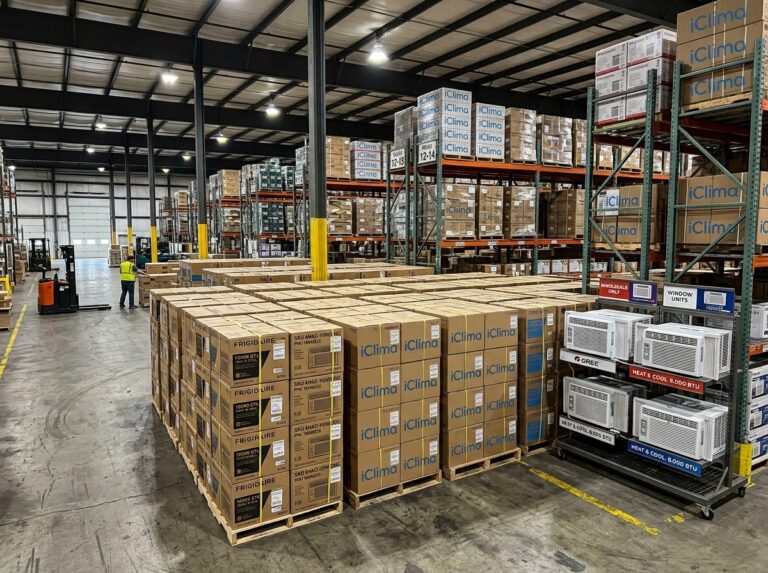
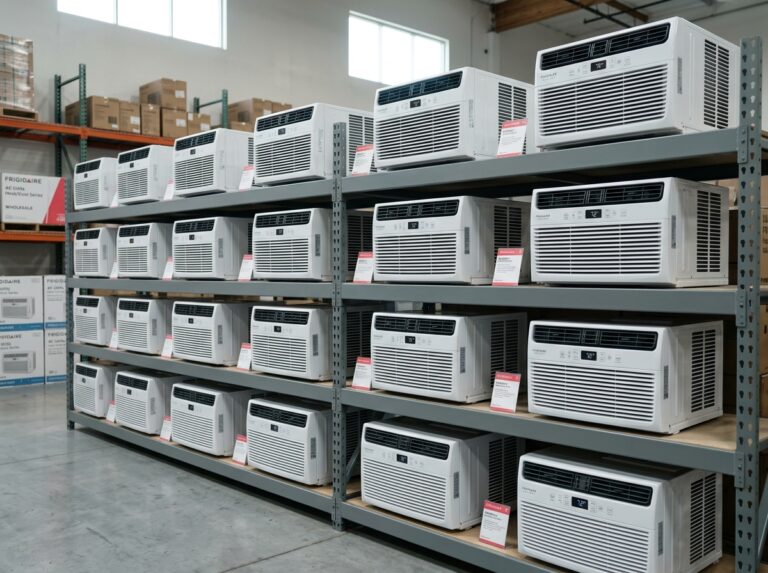
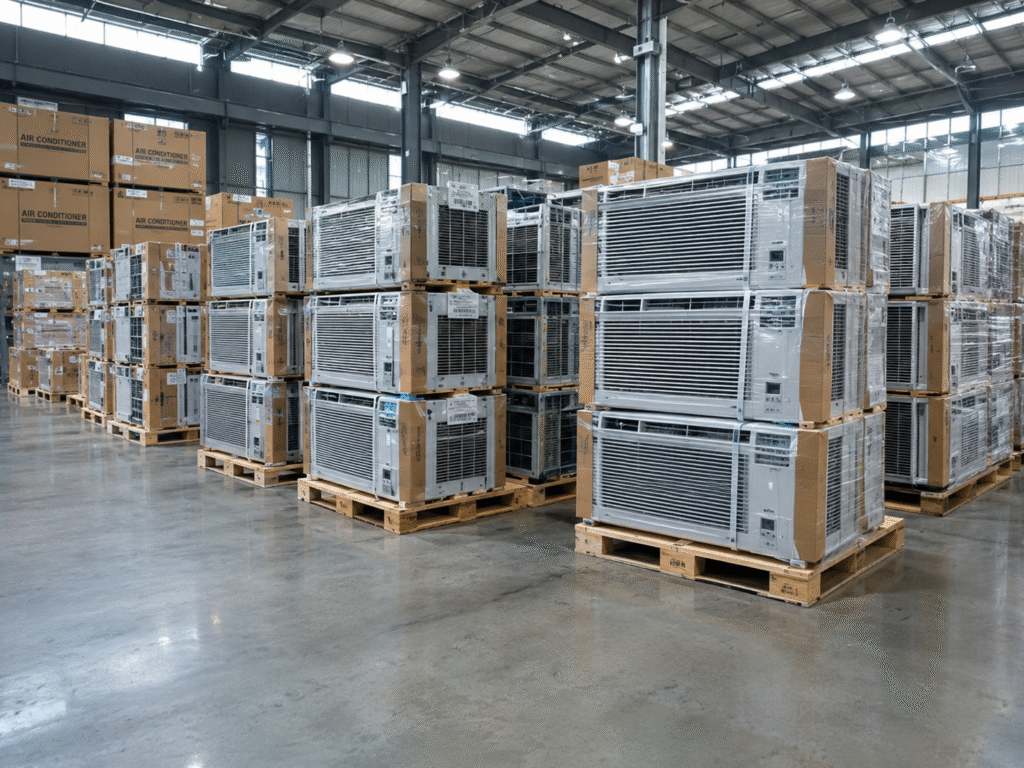
Importers who only compete on base wholesale prices quickly find themselves in a race to the bottom. To maximize ROI, successful distributors leverage factory-direct relationships to build a distinct local brand moat.
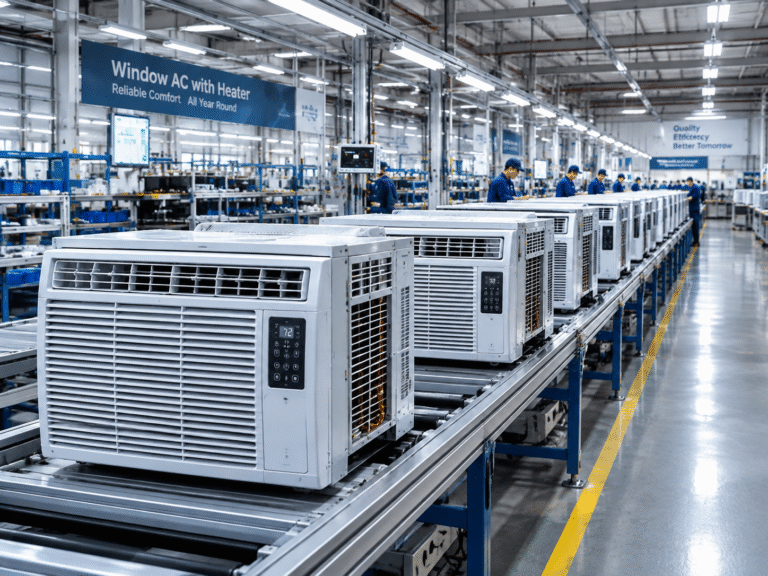
Partnering with an experienced manufacturer like iClima allows you to move beyond generic off-the-shelf imports. By utilizing our fast 30-day OEM turnaround, you can customize the units to meet your exact market positioning. This includes integrating Italian-inspired front panel designs that appeal to modern consumers, elevating the perceived value of a traditionally utilitarian appliance. Furthermore, having local energy efficiency labels correctly applied at the factory level ensures compliance and speeds up customs clearance2.
| Strategy Dimension | Generic Spot Buying | Factory-Direct OEM Sourcing |
|---|---|---|
| Market Positioning | Price-driven commodity | Premium, localized brand |
| Aesthetic Control | Standard factory mold | Custom Italian-inspired panels |
| Compliance Readiness | Importer handles post-arrival | Factory applies local energy labels |
| Margin Potential | Low to medium | High (brand moat established) |
Practical Takeaway: Do not settle for generic white-label imports. Use the OEM process to create a distinct visual and compliant product that regional retailers will prefer over no-name competitors.
Specifying for Hotels & Multi-Housing: How Pipe-Free Installation Cuts Project Timelines by 40%
For contractors and project developers managing multi-housing units, hotels, or dormitory developments, installation bottlenecks are a primary cause of budget overruns. Traditional split systems require licensed HVAC technicians to run copper piping, flare connections, vacuum lines, and handle refrigerants.
Specifying horizontal sliding window ACs eliminates these complexities. These units offer plug-and-play, pipe-free installation. General maintenance staff or local construction crews can securely install the units directly into the sliding window frames without specialized HVAC tools. This drastically reduces skilled labor costs and keeps the entire HVAC budget strictly on track, frequently cutting installation timelines by up to 40%.
Pre-Order Verification Checklist
Before you order or pay a deposit for your project, verify the following with your supplier:
- Voltage & Frequency Match: Confirm the exact electrical specifications (e.g., 115V vs. 220V, 50Hz vs. 60Hz) for your destination country.
- Customization MOQ: Ask for the Minimum Order Quantity required to customize front panels or packaging.
- Energy Certifications: Ensure the factory can provide test reports that align with your local regulatory body for proper energy labeling.
- Production Lead Times: Confirm if the supplier can meet a 30-day OEM turnaround to match your project’s construction schedule.
Discuss Your Wholesale Project with iClima
Whether you are a distributor looking to dominate the Latin American sliding window market or a developer seeking pipe-free cooling solutions for a massive multi-housing project, factory-direct sourcing is your best path to profitability. With a 50,000-square-meter facility in China and Italian-engineered quality standards, iClima offers robust OEM customization for bulk orders. Contact us to discuss your target market, cooling loads, and OEM panel requirements.
Conclusion
Horizontal sliding window ACs are far from a declining category; they are a highly strategic, high-margin asset for importers targeting regions with specific architectural trends like Latin America. By leveraging factory-direct OEM customization and capitalizing on the significant labor savings of pipe-free installation, trade buyers can bypass standard price wars and build lasting market dominance. Assess your region’s window infrastructure today and align your next procurement cycle accordingly.
FAQ
What is the difference between standard and sliding window ACs?
Standard window ACs are wide and designed for traditional vertical double-hung windows. Horizontal sliding window ACs are taller and narrower, specifically engineered to fit seamlessly into the tracks of horizontal sliding windows without extensive structural modifications.
Can we customize the front panels on bulk orders?
Yes. When sourcing through factory-direct OEM partners like iClima, importers can customize front panels with modern, Italian-inspired designs and branding. You should always confirm the Minimum Order Quantity (MOQ) required for these aesthetic customizations.
Why is pipe-free installation important for developers?
Pipe-free installation eliminates the need for expensive, licensed HVAC technicians to handle copper lines and refrigerants. General contractors can install these units quickly, which dramatically reduces skilled labor costs and accelerates project timelines.
What energy efficiency labels can be applied during manufacturing?
Experienced OEM manufacturers can apply specific regional energy efficiency labels directly on the assembly line. Buyers must provide the necessary local regulatory requirements and ensure the factory’s test reports meet destination compliance.
What is the typical turnaround time for OEM window AC orders?
Turnaround times vary by supplier and order complexity, but efficient B2B manufacturers can typically achieve a 30-day OEM turnaround for customized bulk orders, allowing importers to respond quickly to seasonal market demands.
-
"THE IMPORTANCE OF WINDOWS IN ATTAINING INDOOR …", https://www.academia.edu/36963489/THE_IMPORTANCE_OF_WINDOWS_IN_ATTAINING_INDOOR_ENVIRONMENTAL_QUALITY_IN_THE_TROPICS_A_review. Sources on housing and building-design practices should show that sliding-window or horizontal-opening fenestration is common in parts of Latin America, supporting the article’s regional architecture claim. ↩
-
"Importing into the United States A Guide for Commercial …", https://www.cbp.gov/sites/default/files/documents/Importing%20into%20the%20U.S.pdf. Government customs guidance and standards documentation can support that pre-application of required energy labels may facilitate import compliance checks, but they do not necessarily guarantee faster clearance in every jurisdiction. ↩