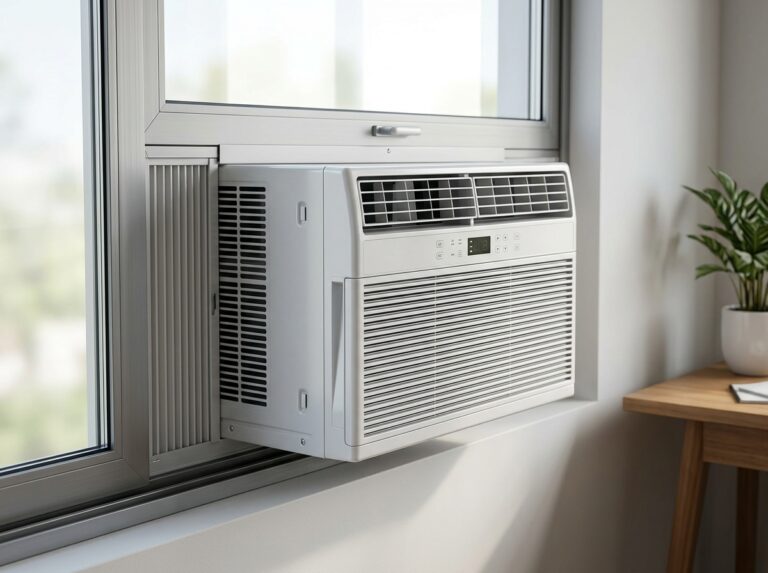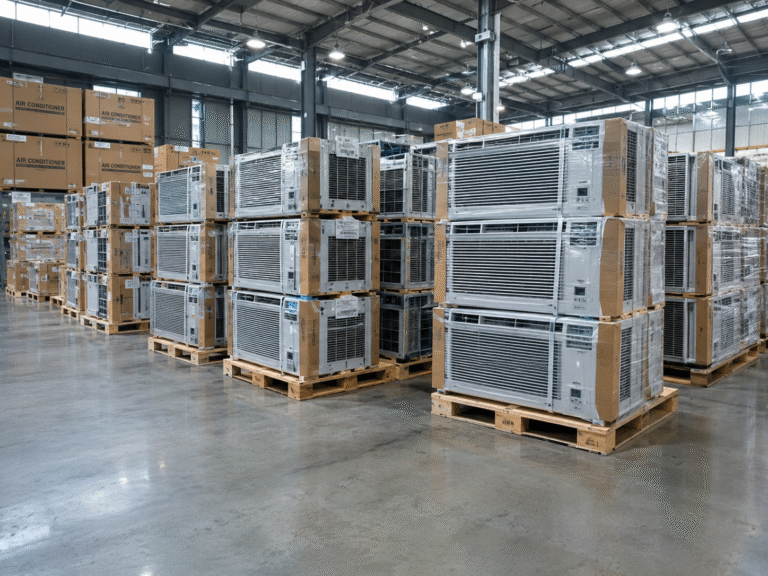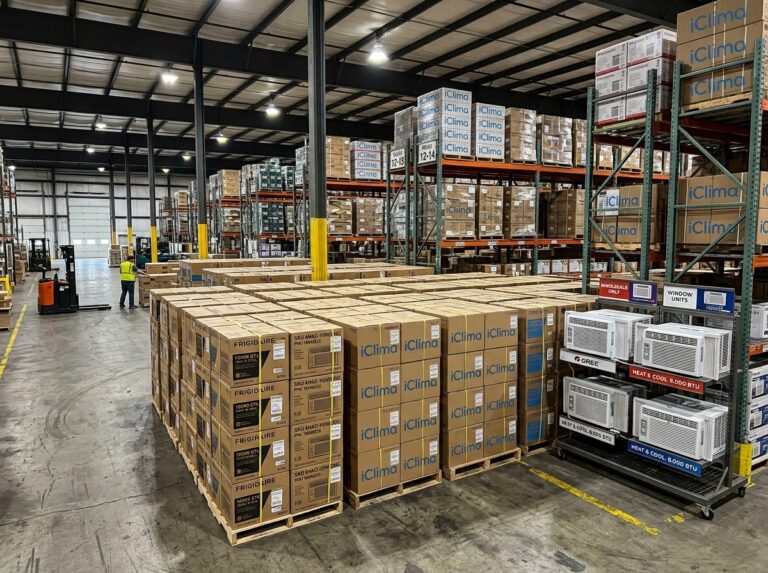
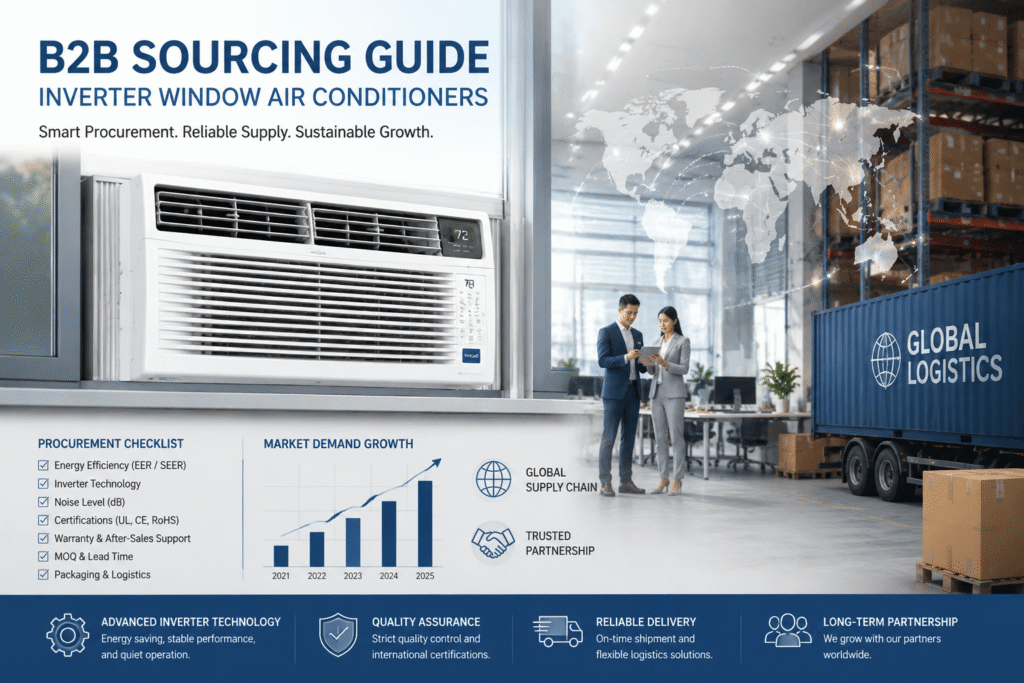
High energy costs hurt AC sales. Standard units just sit in warehouses gathering dust. Sourcing the right inverter window air conditioners offers the perfect solution.
A B2B sourcing guide for inverter window air conditioners focuses on finding units with high energy efficiency, reliable compressor technology, and flexible OEM/ODM options. Sourcing these units helps distributors in emerging markets reduce energy costs and build profitable local brands without large upfront investments.
Navigating the global AC market feels overwhelming when you face hundreds of suppliers. I have been in this industry for years. I know exactly how tricky it can be to find the perfect mix of price, quality, and customization. Let us break down the exact steps you need to take to source the best inverter window air conditioners for your business.
Inverter vs Non-Inverter: Why LatAm & Africa Must Upgrade?
You face buyers who complain about high electric bills. Old technology drains their money. Upgrading to inverter air conditioners stops this endless waste of energy and money.
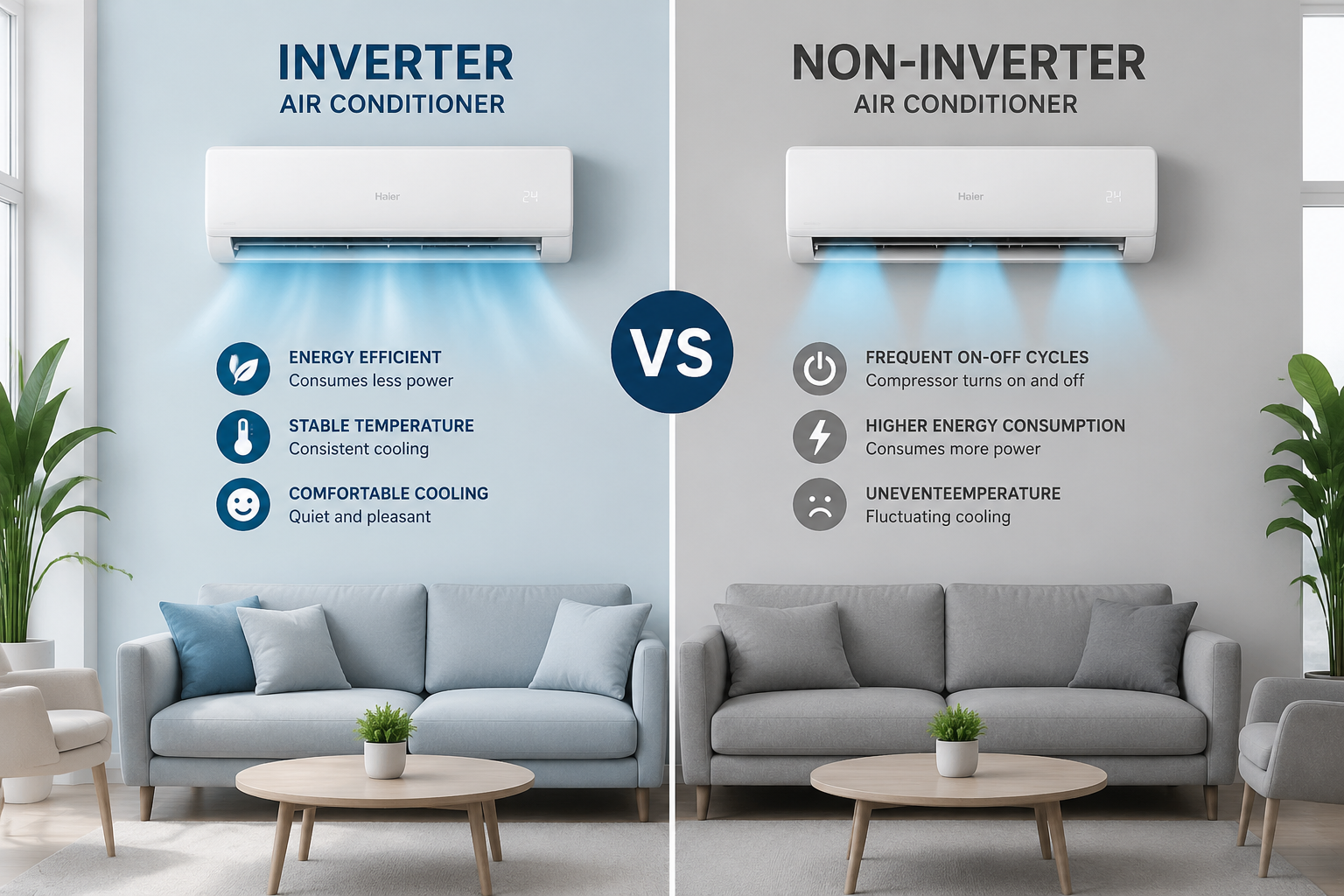
Inverter window air conditioners save up to 30% more energy than non-inverter models. They adjust compressor speed to maintain steady temperatures.1 For markets like Latin America and South Africa, this technology lowers electricity bills and provides a massive selling point for distributors.
The Shift to Better Technology
I sell air conditioners to distributors all over South Africa and Latin America every day. I always hear the same story. Electricity costs go up fast. Customers look closely at their power bills. In these markets, energy efficiency is not just a nice feature. It is the number one reason people buy today.
You might think non-inverter units are cheaper to buy. You might want to buy them to save money now. But you enter a bad price war when you sell them. Your profit margins drop to zero. Inverter technology changes the game. It controls the motor speed smoothly. This means the unit uses much less power. It cools the room faster. It lasts much longer.
Let us look at the real differences. Here is a simple breakdown of how the two technologies compare in daily commercial and home use.
| Feature | Non-Inverter AC | Inverter Window AC |
|---|---|---|
| Compressor Action | Stops and starts constantly | Runs constantly at varied speeds |
| Energy Use | High power spikes | Low, steady power use |
| Price War Risk | Very high | Low (Premium value) |
| Customer Benefit | Cheaper upfront cost | Long-term bill savings |
When you source inverter units, you offer real value. You step away from cheap competition. You give your buyers a reason to pay a better price. Your business grows faster. You keep your customers happy.
Key Sourcing Metrics: EER, Noise & Compressor Technology?
Guessing product quality ruins your reputation. Bad compressors lead to angry buyers and returns. Checking key metrics like EER and noise keeps your business safe and growing.
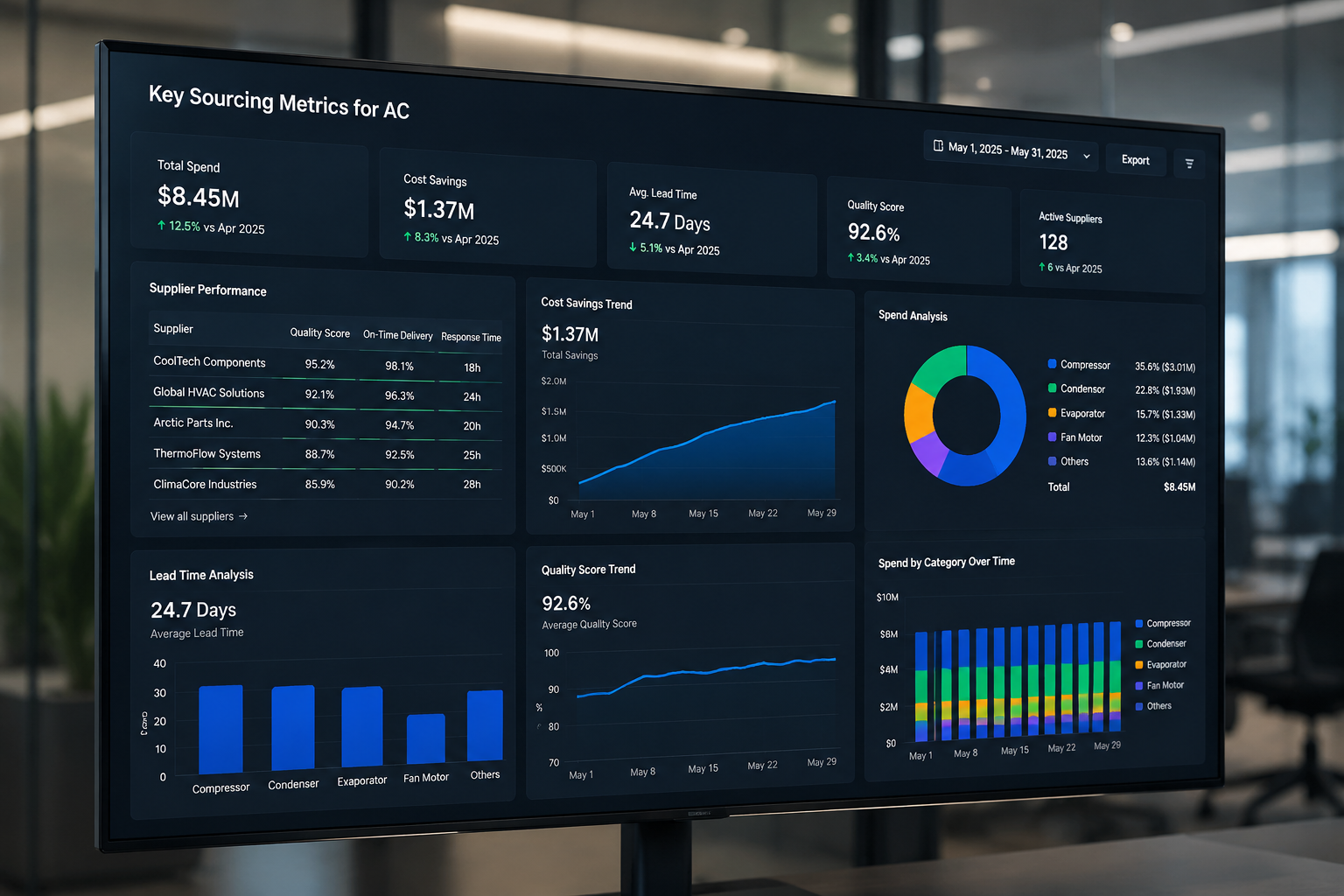
When sourcing inverter window air conditioners, check three main metrics. First, look for a high Energy Efficiency Ratio (EER)2. Second, ensure the noise levels stay below 50 decibels. Third, verify the compressor brand and technology to ensure long-term reliability and cooling performance.
How to Measure AC Quality
You cannot just trust a standard product sheet. You need to know what matters. EER is the most important number. EER stands for Energy Efficiency Ratio. A higher EER means the unit cools a room using less electricity. Government buyers and big retail chains always demand a high EER. If you do not have it, you lose the tender completely.
Noise is another big deal for window units. Window air conditioners sit right in the room. If the unit rattles, the user cannot sleep. If the user cannot sleep, the hotel manager complains. You must ask your supplier for true sound test reports before you buy.
Finally, the compressor is the heart of the air conditioner. At iClima, we back our units with major industry partnerships. We work closely with TCL to ensure our compressors run smoothly for years.
| Metric | What to Look For | Why It Matters |
|---|---|---|
| Energy Efficiency Ratio (EER) | High rating numbers | Passes government rules; saves money |
| Noise Level (dB) | Under 50 dB indoors | Keeps hotel guests and homeowners happy |
| Compressor Origin | Top-tier partner brands | Prevents expensive repairs and returns |
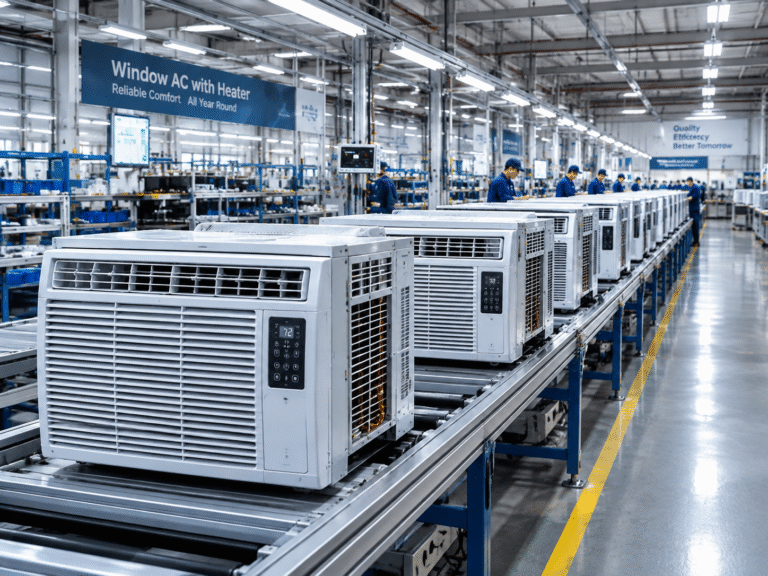
I built our automatic workshops to guarantee these metrics. We test everything before it ships out. This means you can sell our products with total confidence in your local market.
OEM/ODM Customization: Build Premium Brands with Low MOQ?
Selling someone else’s brand limits your growth. Heavy order limits trap your cash flow. Creating your own brand with low minimum orders sets you free.
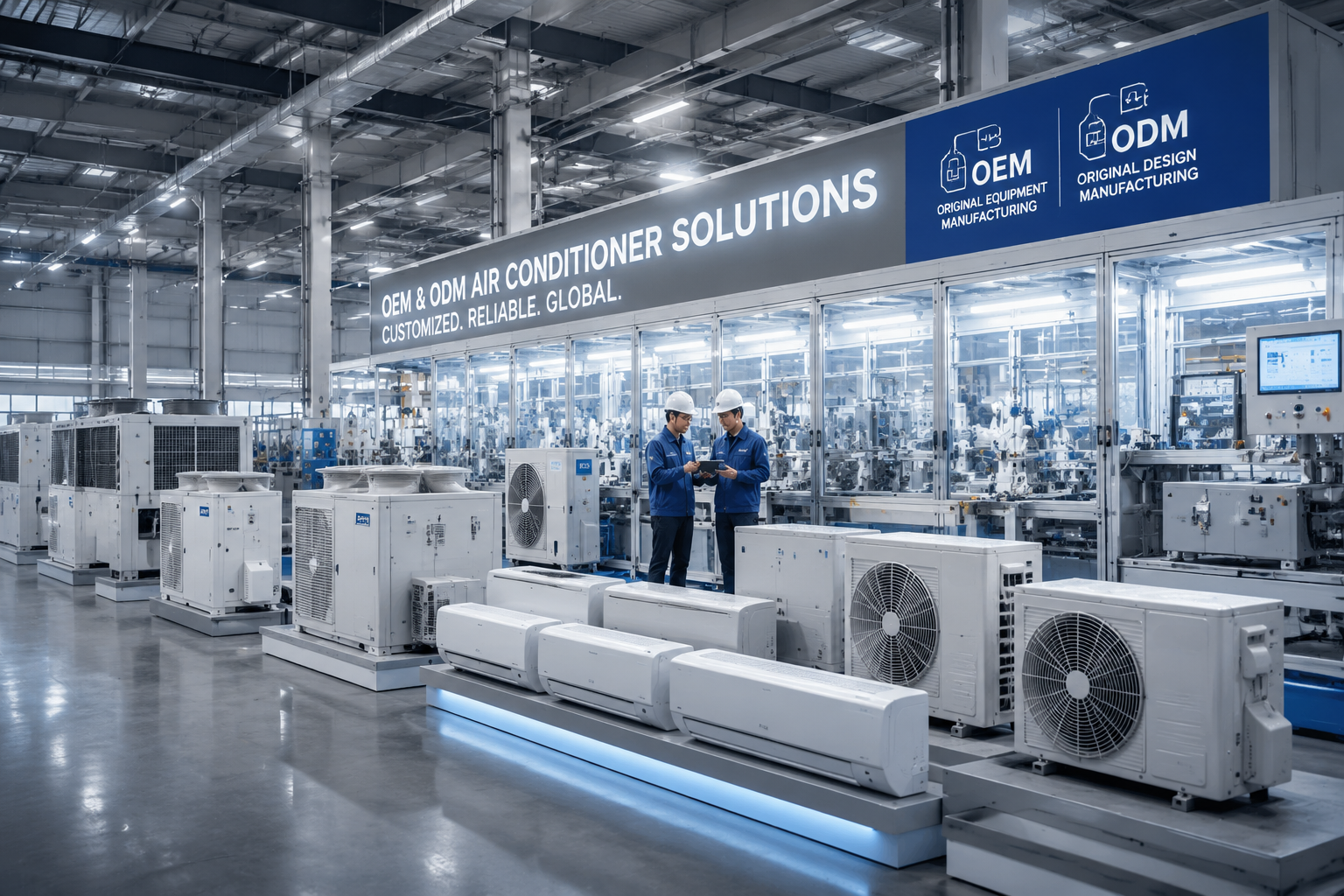
Choosing OEM/ODM customization with a low Minimum Order Quantity allows B2B buyers to create premium local brands. You can test new markets safely. This strategy avoids price wars and helps distributors earn significantly higher profit margins without tying up too much cash.
The Power of Your Own Brand
I talk to many corporate distributors who feel stuck. They buy famous brands, but they make very little money. The big brands push strict rules and high minimum orders. This is bad for your cash flow. This is bad for your business growth.
You must build a localized premium brand. This is the secret to true business success. With iClima, you can use our OEM and ODM services. We offer a low Minimum Order Quantity (MOQ). This means you do not need to buy thousands of units at once to start your brand.
You can order a small batch. You print your logo on the box and the machine. You test the market. If it works, you scale up. If it needs tweaks, we fix it together.
| Business Model | MOQ Requirement | Profit Margin | Control Over Pricing |
|---|---|---|---|
| Selling Big Brands | Very High (1000+ units) | Low (less than 10%) | None |
| OEM/ODM Strategy | Low (Flexible batches) | High (30% to 50%) | Total Control |
By doing this, you avoid cheap price fights. You offer a premium inverter window air conditioner under your own name. My professional service team guides you through the whole process. You build a strong brand for the future.
Conclusion
Sourcing inverter window air conditioners with good metrics and low MOQ changes your business. You save energy, build your own localized brand, and increase your profits securely.
-
"Inverter compressors | Variable speed technology for HVAC – Danfoss", https://www.danfoss.com/en-us/industries/refrigeration-and-air-conditioning/dcs/variable-speed/. Technical explanations of inverter air conditioners describe variable-frequency control of the compressor motor, which allows the system to modulate capacity and better maintain indoor setpoint temperatures; this is a general functional description rather than a performance guarantee for every model. Evidence role: mechanism; source type: education. Supports: They adjust compressor speed to maintain steady temperatures.. Scope note: This supports the operating principle, not the claim that every inverter unit maintains perfectly steady temperatures in all conditions. ↩
-
"Air Conditioning – Department of Energy", https://www.energy.gov/energysaver/air-conditioning. Sources on air-conditioner efficiency standards can support that EER is a recognized metric used to compare cooling efficiency, with higher values indicating more cooling per unit of electrical input. Evidence role: definition; source type: government. Supports: When sourcing inverter window air conditioners, check three main metrics. First, look for a high Energy Efficiency Ratio (EER).. Scope note: This supports the meaning of EER, not the business claim that buyers will prefer it in every procurement context. ↩