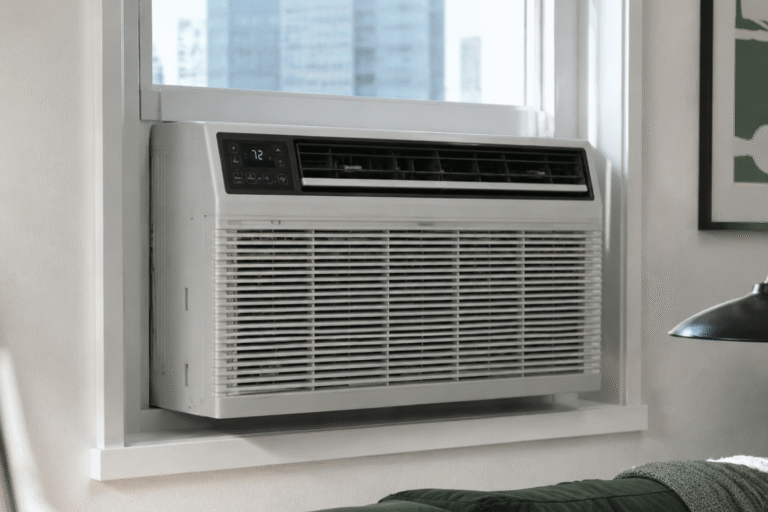

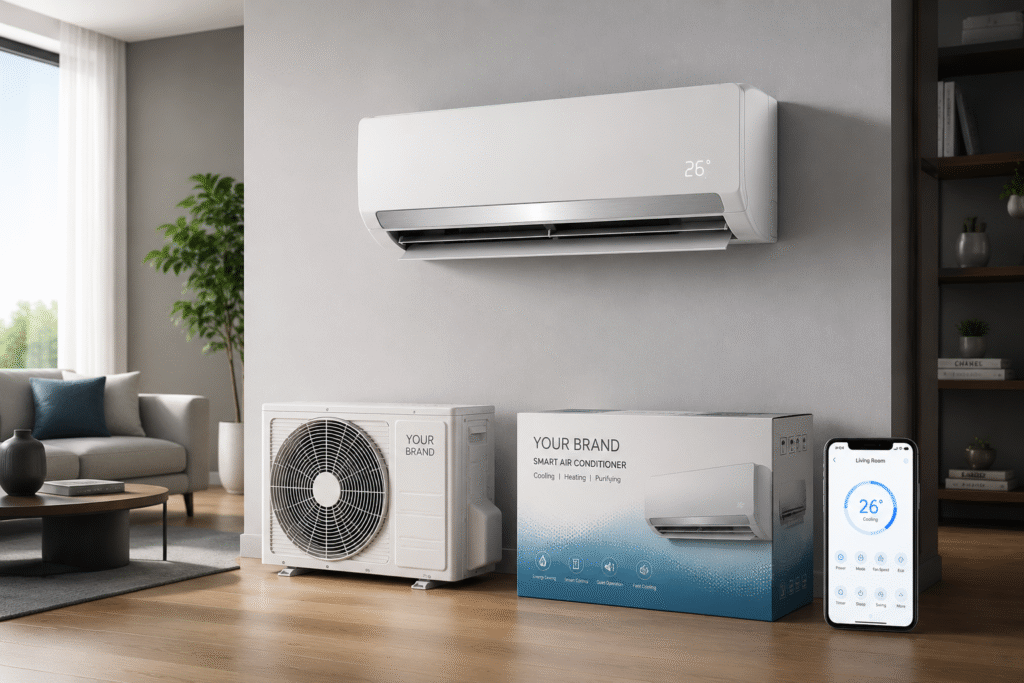
Sourcing smart window ACs can feel risky. High costs and unreliable tech hurt your strict targets. My clear guide solves this by showing you how to buy smart ACs safely.
To source smart window air conditioners successfully, you need to partner with reliable B2B manufacturers who offer flexible MOQs and stable IoT modules. Focusing on visualized energy savings and leveraging OEM/ODM services will guarantee high profit margins and an easy entry into emerging market spaces.
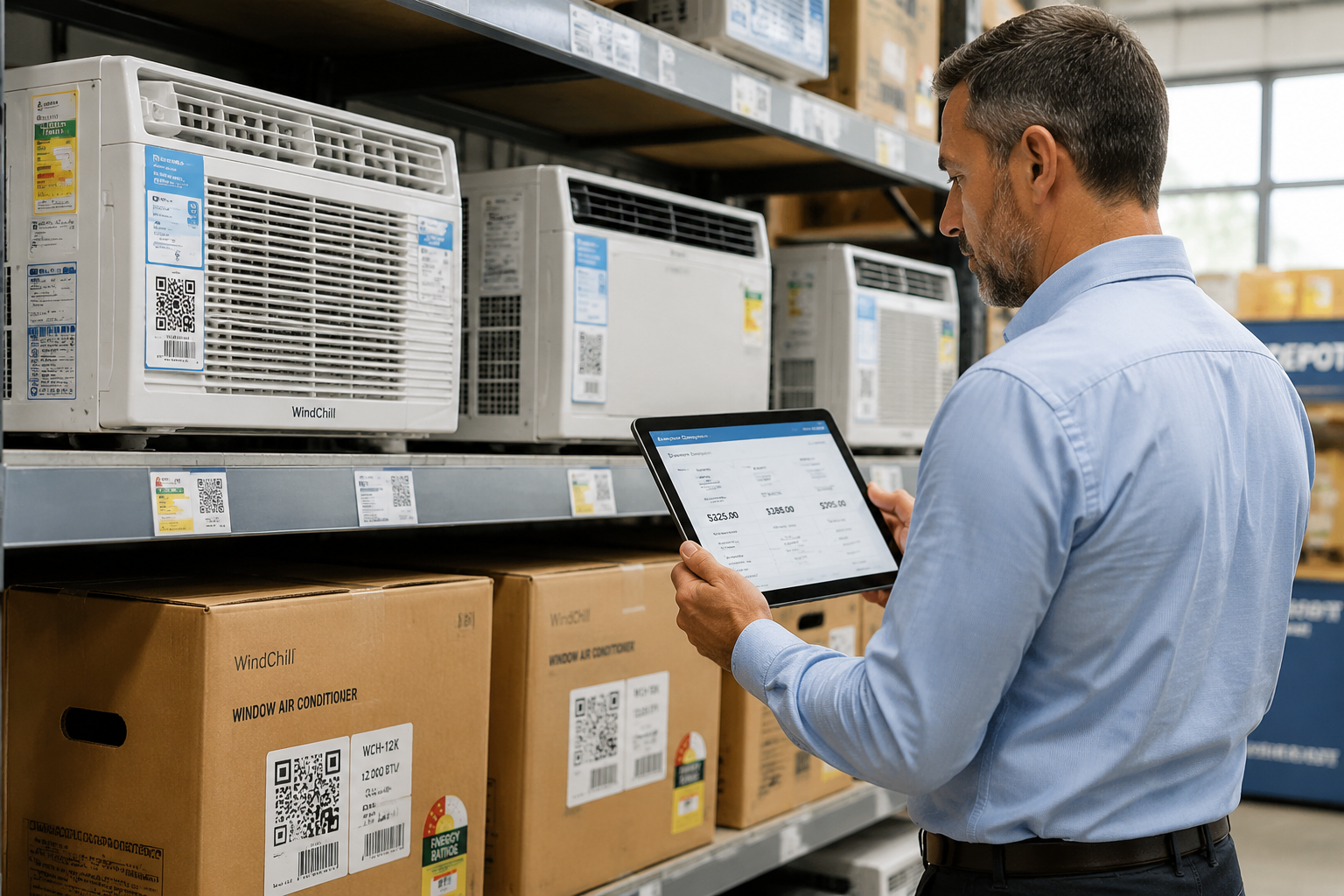
I understand that many buyers worry about huge inventory risks when testing new products. Let us explore how you can build a profitable smart AC business without the stress.
How Do Smart Window Air Conditioners Cut Target Energy Costs Effectively?
Rising power bills drain project profits fast. Old window ACs waste too much energy. Smart window ACs fix this problem by stopping energy waste before it even starts.
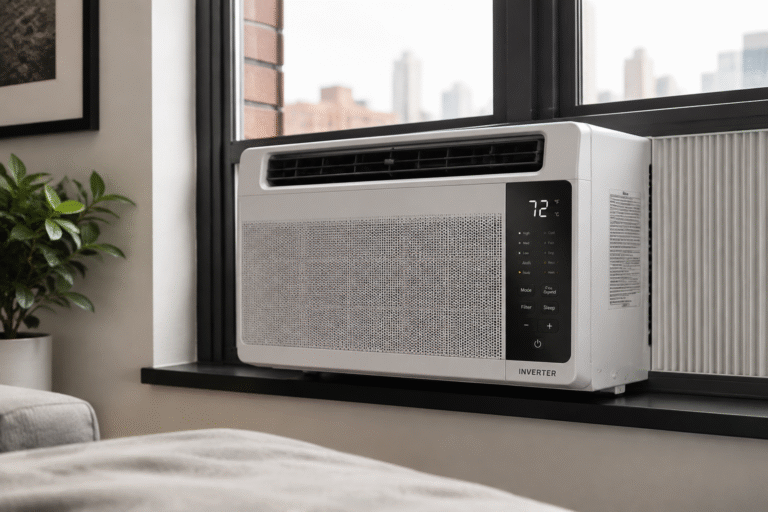
Smart window ACs cut energy costs by using IoT sensors to adjust cooling based on real-time room data. They track power usage hourly, which allows facility managers to set smart schedules and reduce overall energy waste by up to thirty percent in large commercial buildings.1
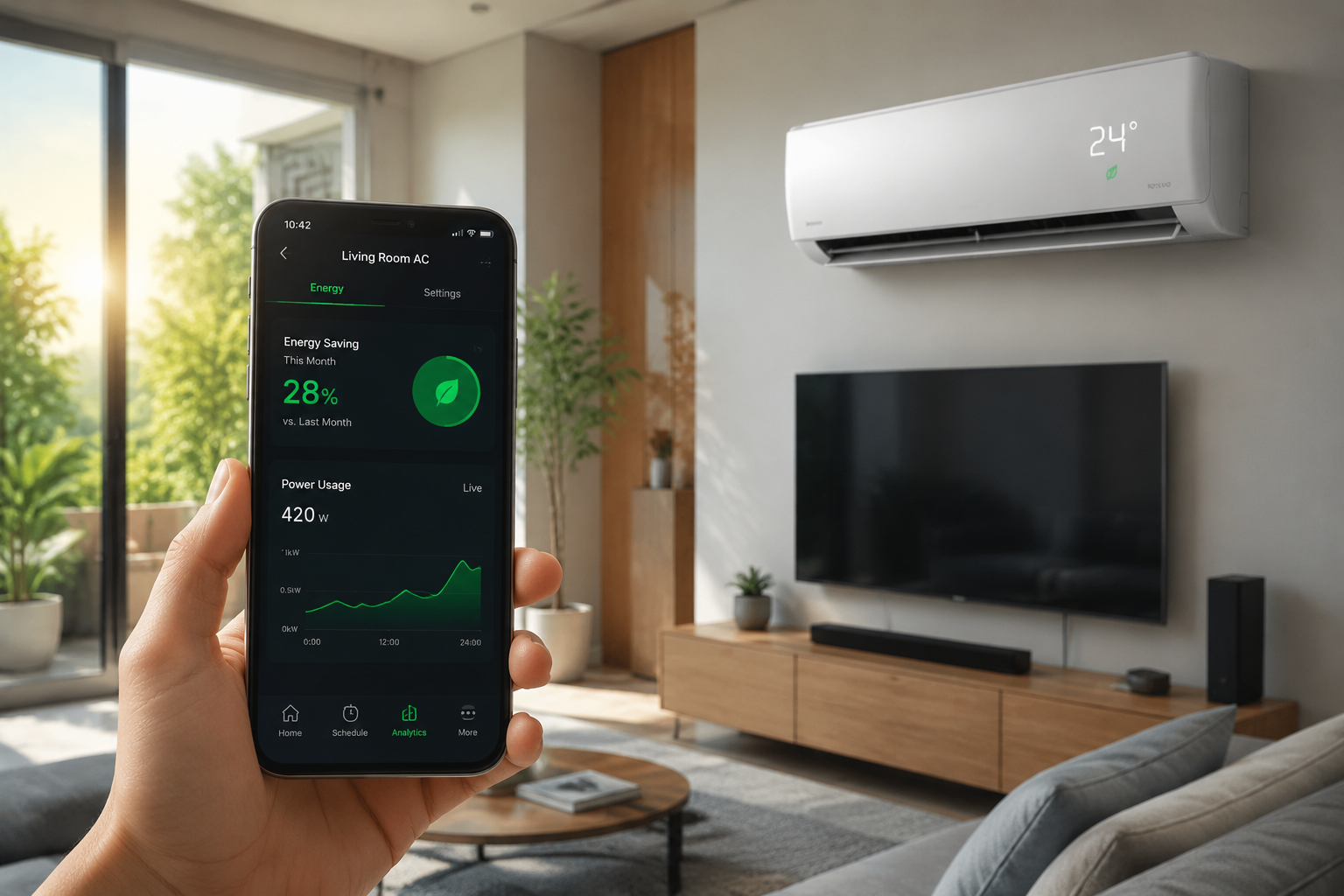
Many buyers think smart ACs only mean phone app control. I tell my clients that this is a mistake. The real magic is visualized energy savings. When you pitch these units to hotel groups or retail chains, you must show them real data. Facility managers care about monthly cost drops. Our smart units provide app dashboards. These dashboards show exactly how much power the AC uses every day. This data-driven approach is very persuasive to cost-conscious project managers. Let us break down how smart controls beat basic ACs.
Smart Control Versus Traditional Control
| Feature Aspect | Traditional Window AC | Smart Window AC |
|---|---|---|
| Usage Tracking | Blind use | Hourly energy data |
| Setting Limits | Manual only | App locks for users |
| Timer Function | Basic timer | Weather-based rules |
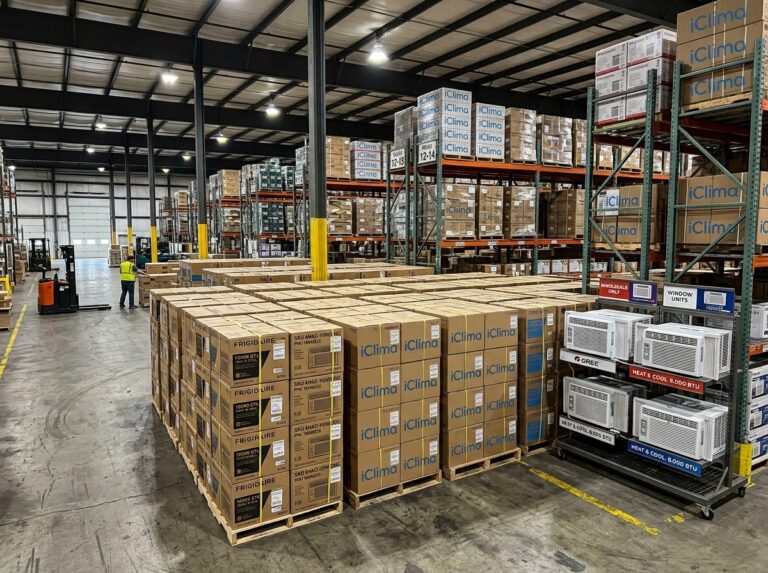
I partner with TCL to build these smart units at iClima. This strong partnership ensures the IoT modules are highly stable. The data tracking never fails. We see huge demand for these cost-saving features right now. Buyers in South Africa and Latin America love this technology. You can sell these units easily because they pay for themselves over time. Visualized data builds deep trust with your buyers.
What Is Your Bulk Sourcing Checklist: 5 Must-Have Features for Smart ACs?
Choosing the wrong smart AC features ruins your big project. Customers will return items with bad Wi-Fi chips. You must check this list to buy the right units.
Your bulk sourcing checklist for smart ACs must include: highly stable IoT modules, low minimum order quantities, clear energy tracking dashboards2, solid compressor warranties, and full smart home system compatibility so users can easily voice shape their climate control with systems like Google Home.

When I meet bulk buyers from large retail chains, they always ask how to pick the right smart features. You must look beyond just raw cooling power. You need a stable supply chain and reliable tech. Many B2B buyers hesitate to source smart ACs. They worry about bad Wi-Fi chips that drop signals. At iClima, our official partnership with TCL solves this fear completely. We use tested, top-tier IoT parts only. You also need extreme flexibility. High minimum order quantities stop many buyers from trying smart models. I fix this barrier with our low MOQ policy.
The Essential Sourcing Rules
| Must-Have Feature | Why Standard Matters For B2B |
|---|---|
| Low MOQ Option | Lowers inventory risk during market tests |
| Stable IoT Chip | Stops customer returns and bad reviews |
| Data Dashboard | Proves energy savings to project managers |
| Quality Compressor | Keeps the units running for long years |
| Voice Integration | Meets modern consumer home expectations |
With a low MOQ, distributor clients can test the waters in emerging smart home markets safely. You avoid heavy inventory risk while still offering top features. Your local contractors will deeply love the reliable tech. Your business profits will grow fast. I make sure every imported batch fits your exact local safety needs.
How Can You Leverage OEM/ODM to Build Your Custom Smart AC Brand?
Selling big brands leaves you with tiny profit margins. You struggle hard to stand out locally. Using OEM and ODM services lets you create a high-profit brand yourself.
You build a custom smart AC brand by using B2B ODM and OEM manufacturing services. This process allows you to put your own logo on advanced units, pick exact smart features, and tightly control market pricing. This stops price wars and increases local shares.
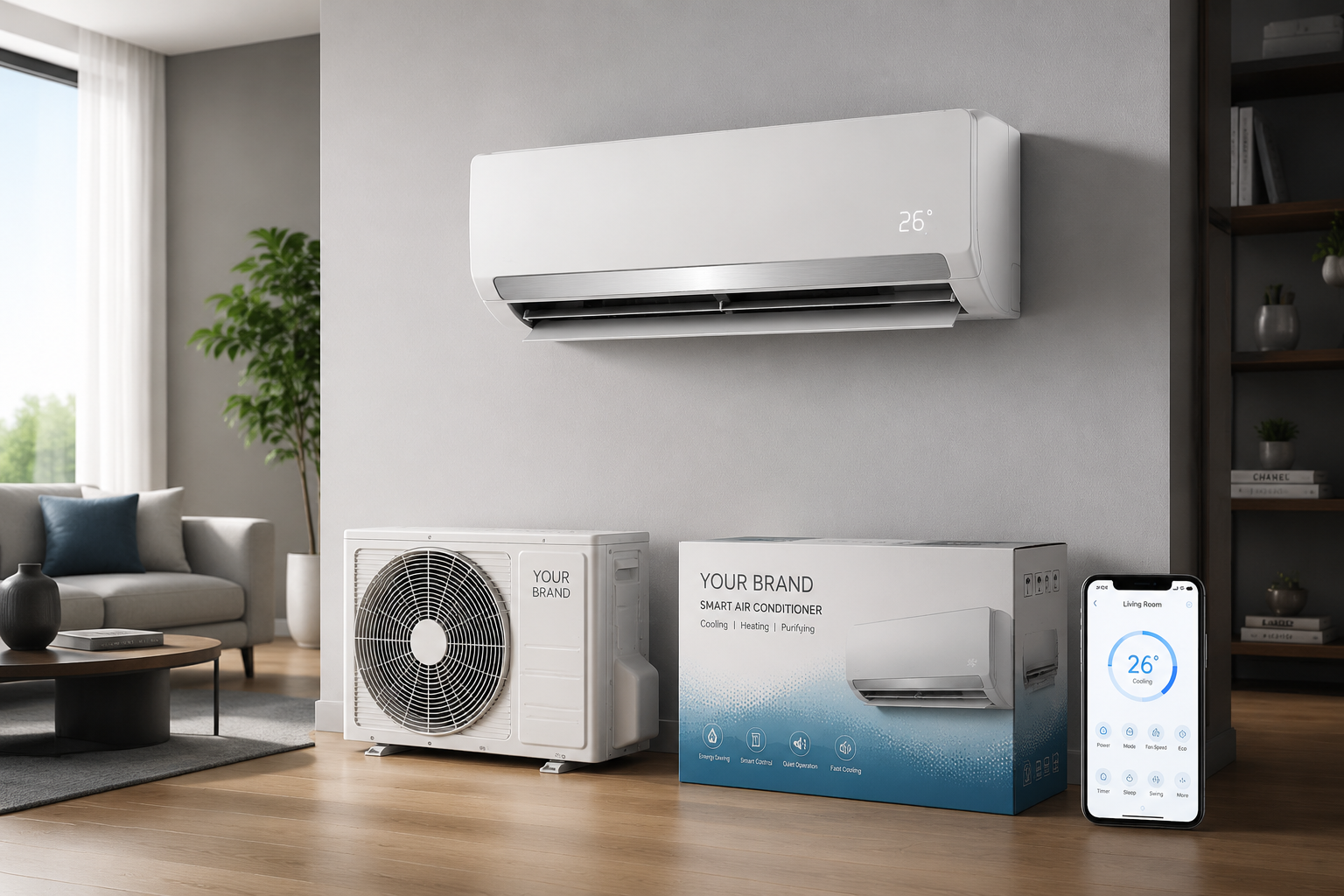
Becoming a basic middleman for big brands limits your business growth. At iClima, I guide many wholesalers to start their own brands. We offer full ODM and OEM capabilities from my factory in China. You can customize the front panel design. You can change the app interface colors. You can pick exact cooling specs. This freedom is vital for corporate distributors who supply local retailers. Why sell the exact same box as the store next door? Customization creates strong brand loyalty. You keep your customers coming back to you.
Big Brand Versus Custom Brand
| Market Factor | Selling Big Brands | Building Your Custom Brand |
|---|---|---|
| Profit Margins | Usually under ten percent | Over thirty percent easily |
| Market Control | Brand sets the fixed rules | You decide the final price |
| Local Rivalry | Extreme price competition | Unique product in region |
Government buyers also strongly prefer customized units for their big public works. We have automatic workshops and manual lines to handle any strict request. Even if you start very small, our flexible batch orders help you grow safely. You can print your brand on a batch of just a few hundred units early on. We handle the hard part of making reliable smart ACs. You focus entirely on selling and making better money. Custom branding turns you into a local market leader quickly.
Conclusion
Sourcing smart window ACs is easy with stable IoT tech, low MOQs, and OEM services. Focus strictly on real energy savings to win big clients and grow deep profits.
-
"Adopting Occupancy-Based HVAC Controls in Commercial Building …", https://www.pnnl.gov/publications/adopting-occupancy-based-hvac-controls-commercial-building-energy-codes-analysis-cost. Government and peer‑reviewed studies of advanced HVAC and controls (including occupancy‑based, schedule‑based and weather‑adaptive strategies) report substantial reductions in HVAC energy use and cite examples with savings approaching ~30% in some commercial building studies; however, reported figures vary widely by baseline operation, building type and whether measures cover whole‑building HVAC versus localized window/unitary equipment. Evidence role: statistic; source type: government. Supports: Smart window ACs cut energy costs by using IoT sensors to adjust cooling based on real-time room data. They track power usage hourly, which allows facility managers to set smart schedules and reduce overall energy waste by up to thirty percent in large commercial buildings.. Scope note: Many cited studies concern whole‑building HVAC or central systems rather than individual window AC units, and measured savings are highly dependent on baseline operation and control scope. ↩
-
"Energy Management Information System Capabilities", https://www.energy.gov/cmei/femp/energy-management-information-system-capabilities. Supports that energy‑monitoring dashboards and real‑time usage feedback can quantify energy consumption and are used by project managers to evaluate savings; limitation: dashboards provide measurement and feedback but observed savings depend on baseline calculations, user behavior, and control strategies. Evidence role: mechanism; source type: government. Supports: Energy‑tracking dashboards allow managers to measure and (when combined with proper baselines) demonstrate energy savings from equipment or controls.. Scope note: Dashboards measure and present consumption, but translating measurements into validated ‘savings’ requires baseline methodology and may vary by installation and user behavior. ↩