Struggling with seasonal sales drops? Unsold inventory costs your business money. I will show you how to fix this with the right dual-purpose window air conditioners.
The best heat and cool window unit offers year-round temperature control, bypassing seasonal sales slumps. Sourcing these units in bulk requires checking BTUs, energy efficiency, and finding a reliable B2B manufacturer who supports low minimum order quantities.
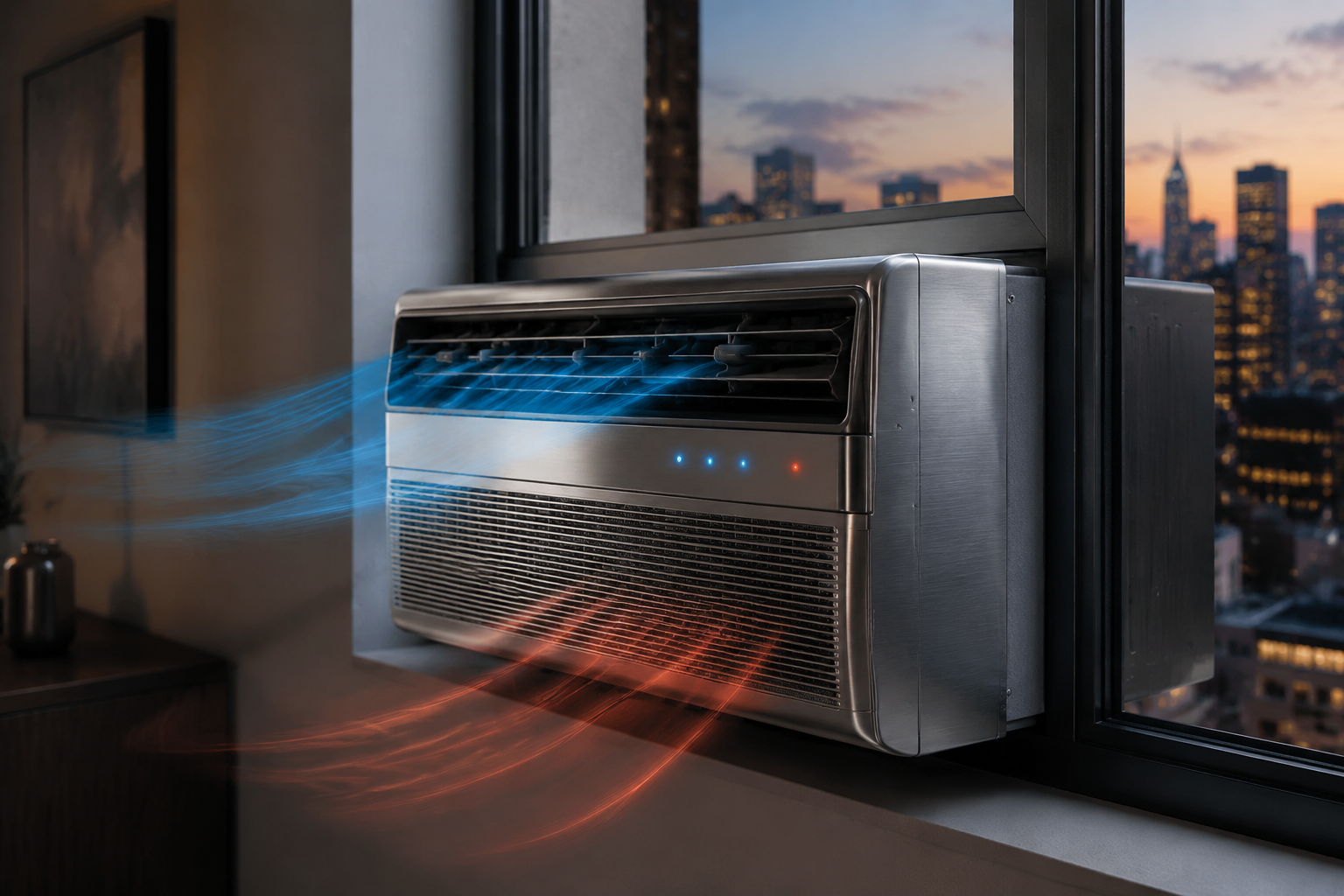
Understanding these market dynamics is the first step. Let us look at the exact details you need to source the perfect unit and keep your customers happy all year long.
Key Specs That Define the Best Heat and Cool Window Unit?
Are your customers complaining about weak heating or high power bills? Bad specifications wreck your brand trust. You must pick the right technical features for your market.
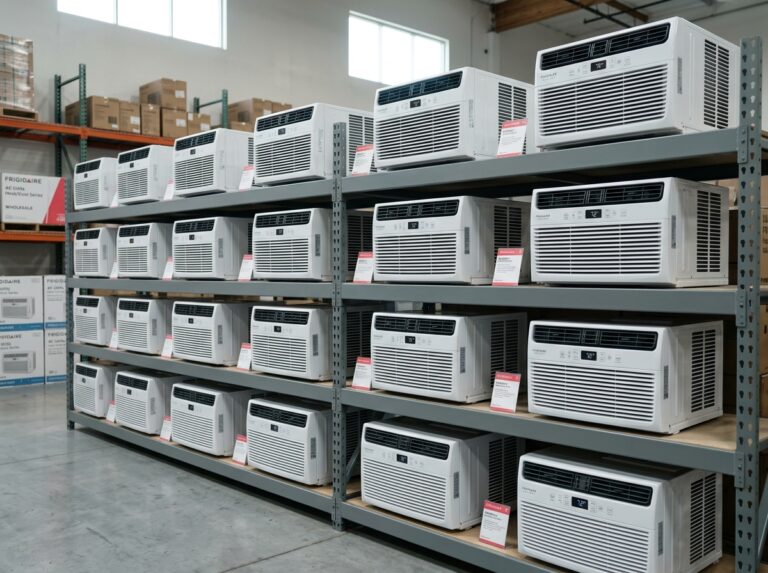
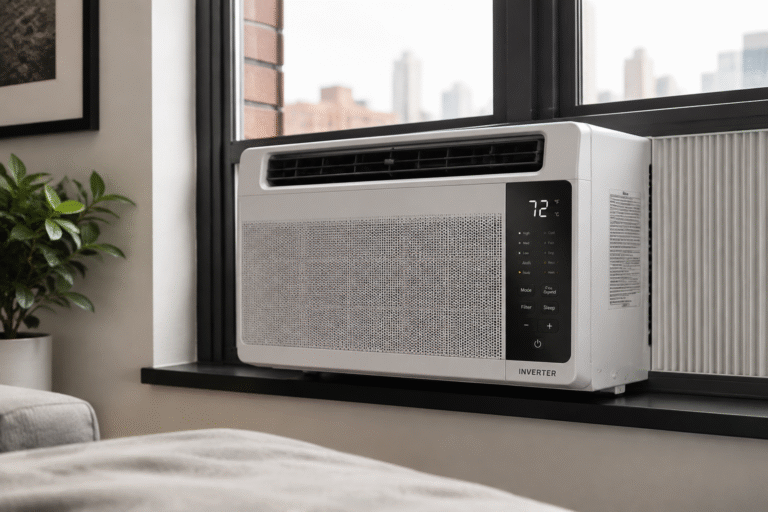
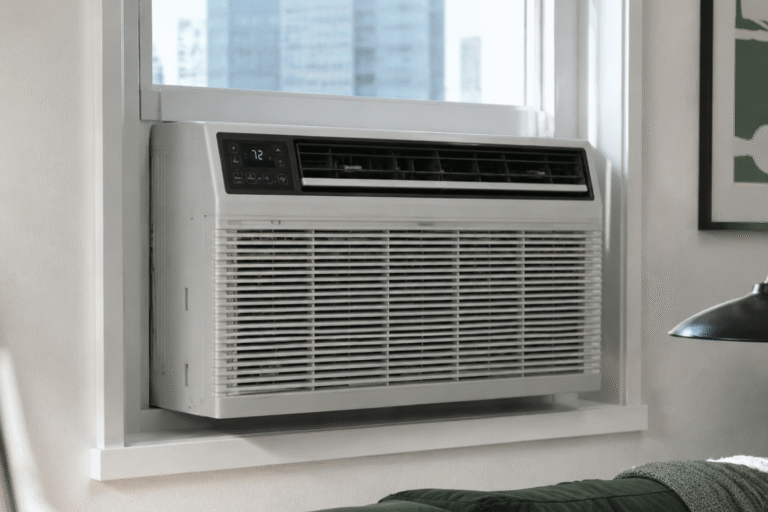
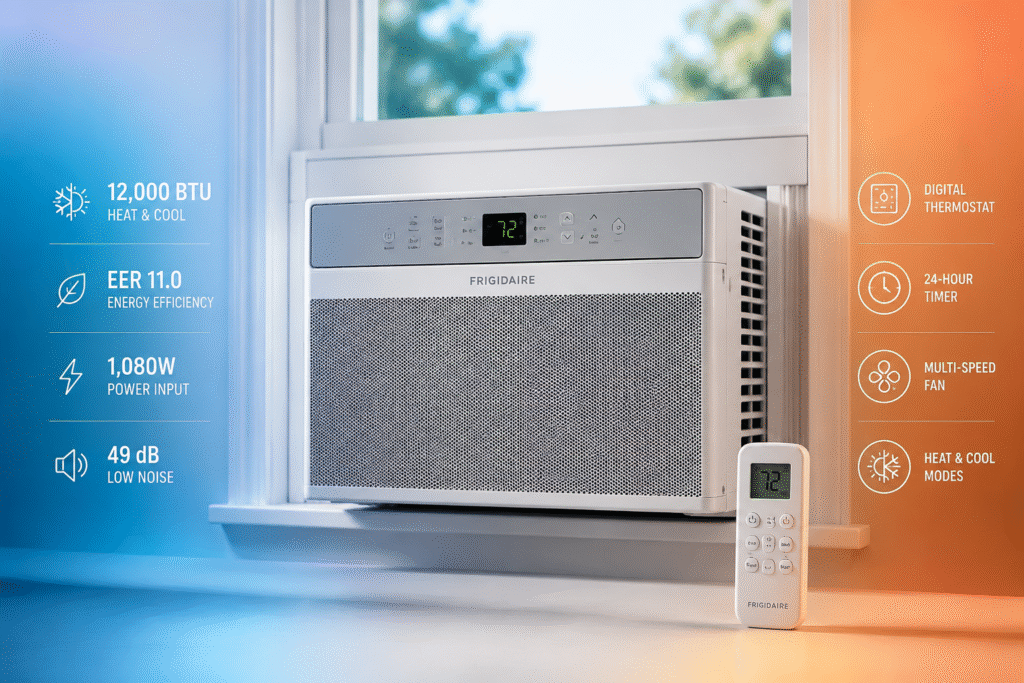
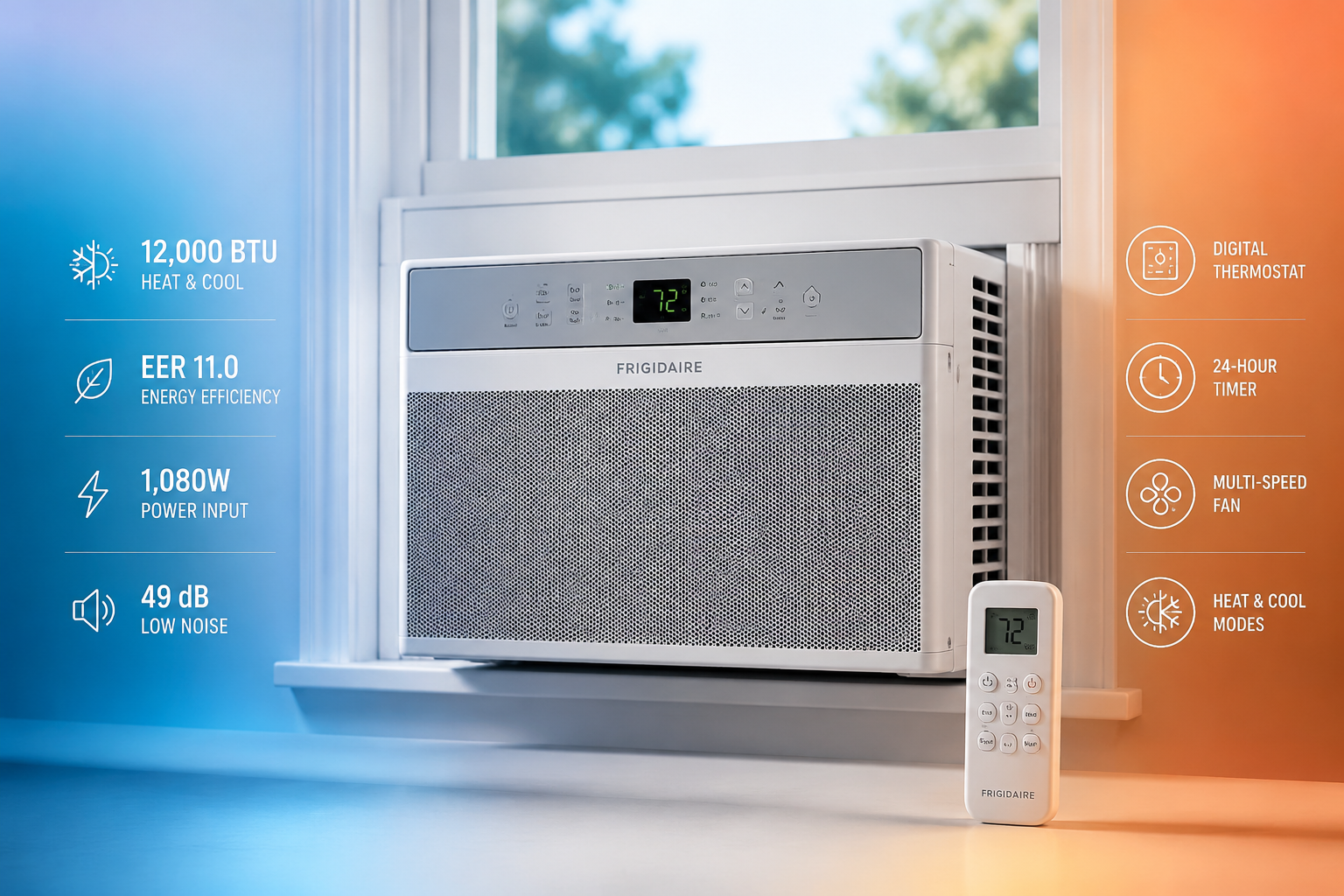
A top-tier heat and cool window unit must have a high Energy Efficiency Ratio, a strong built-in heat pump, and the right BTU capacity for the target room size. It also needs a durable compressor to handle year-round operation safely.
Breaking Down the Core Specifications
You cannot just buy any unit and hope it sells. You must look closely at what is inside the box. Many buyers fail because they do not understand the difference between a heat pump and basic electric heating. A heat pump moves heat from the outside air into the room. This process uses much less power.1 Your customers want lower electricity bills.
You must also match the BTU (British Thermal Unit) rating to the typical room size in your specific market. If you sell in Latin America, homes might need different unit sizes than homes in South Africa. You have to study local needs.
Here is a quick guide to help you choose the right specifications for your bulk orders:
| Specification | Suggested Range | Target Room Size | Benefit for User |
|---|---|---|---|
| 8,000 BTU | 8.5+ EER | Up to 350 sq ft | Good for small bedrooms |
| 12,000 BTU | 9.0+ EER | Up to 550 sq ft | Best for living rooms |
| 18,000 BTU | 9.5+ EER | Up to 1,000 sq ft | Ideal for large open spaces |
When I started at iClima, I saw many buyers ignore these exact numbers. They bought the cheapest units they could find. Then, their customers returned the units. Do not make that mistake. Focus on quality components. Our automatic workshops ensure every unit meets strict global energy standards.
Buying in Bulk: Suppliers & Cost Comparison for Window ACs?
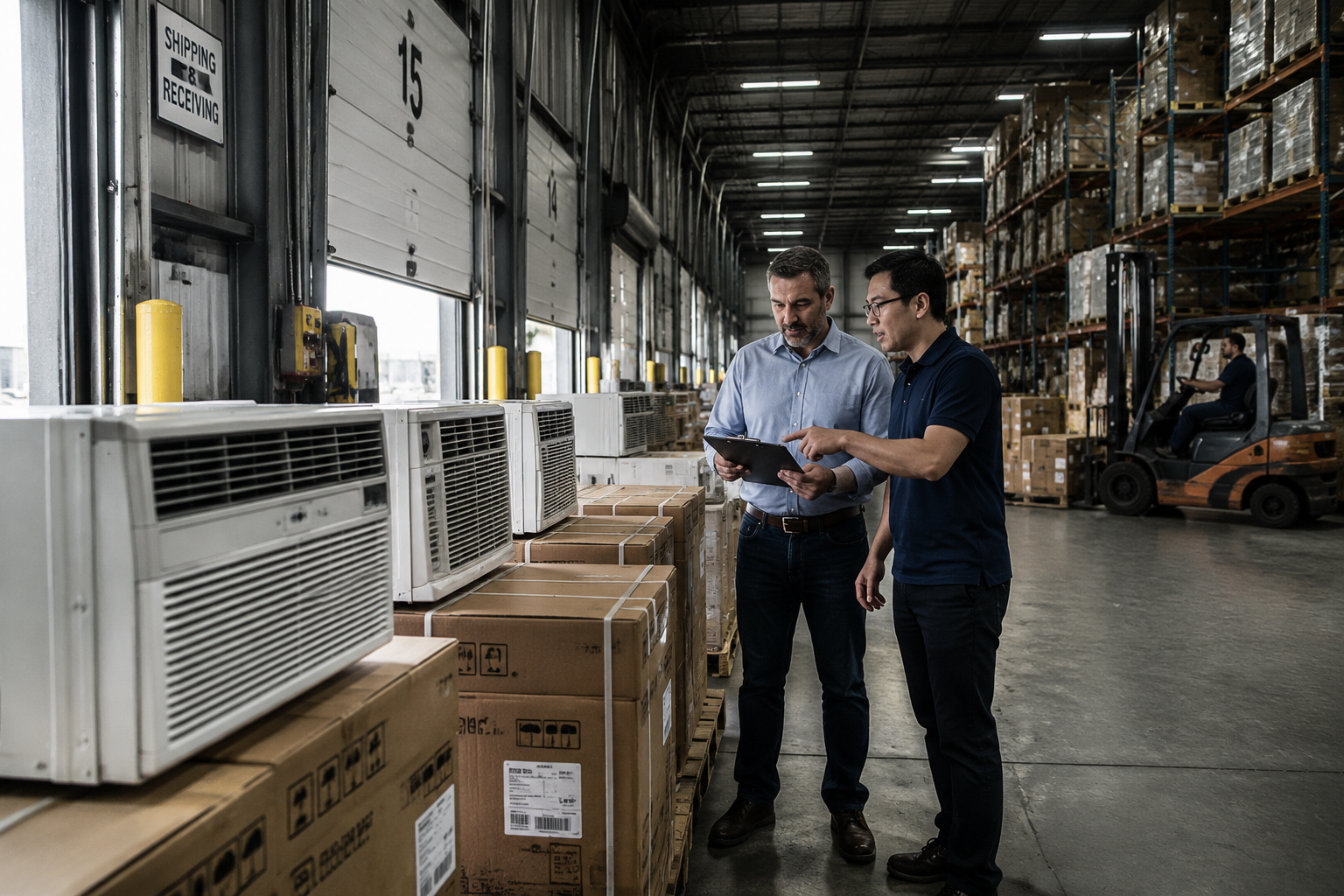
Finding a good factory is very hard. Delays and hidden costs can ruin your profit margin. You need a stable supply chain to protect your wholesale business.
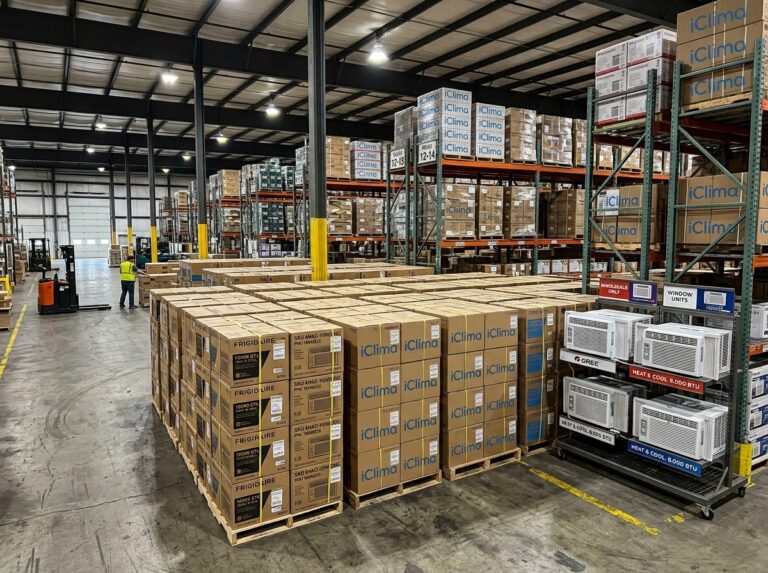
To buy window ACs in bulk safely, compare factories based on their minimum order quantity, production capacity, and partner network. A reliable Chinese manufacturer offers factory-direct pricing, strict quality control, and flexible order sizes to test your local market.
How to Compare Factory Costs and Risks
A common trap for procurement managers is over-committing to a massive first order. When you enter emerging markets like South Africa or Latin America, you do not know the exact local preferences yet. If you order 5,000 units right away, you take a huge financial risk.
I always advise buyers to run a pilot test first. You should leverage a manufacturer with low Minimum Order Quantity (MOQ) capabilities. This strategy helps you test the waters without tying up all your company cash in one big container.
You must compare suppliers not just on the cheapest unit price, but on the total value they bring to your business. Here is how you should evaluate your B2B supplier options:
| Supplier Type | Average MOQ | Quality Guarantee | Customization Level |
|---|---|---|---|
| Large Brands | 1,000+ units | Very High | Low (Brand only) |
| Trading Companies | 100 units | Mixed / Unstable | Medium |
| iClima (Factory) | Flexible / Low | High (TCL Partner) | High (Full OEM/ODM) |
As you can see, working directly with a flexible factory like iClima changes the game. We are an official collaborator with TCL. This partnership means you get premium quality. Our low MOQ allows you to start small. Once the units sell well locally, you can safely order larger volumes.
Maximizing ROI via OEM/ODM Custom Window Air Conditioners?
Selling other brands keeps your profit margins low. Brutal price wars hurt your wholesale business. You can fix this problem by building your own private label brand.
Maximizing your return on investment requires OEM and ODM customization. Printing your logo and customizing the design builds localized brand loyalty. This strategy protects your profits from competitors and gives you complete control over your local market pricing.
Building a Profitable Private Label Brand
Selling standard branded units limits your business growth. When you sell famous brands, you fight with every other local distributor on price. Your buyers will check online prices and demand deep discounts. You work hard, but your profit stays very small.
When you use OEM (Original Equipment Manufacturer) or ODM (Original Design Manufacturer) services, you change this dynamic completely. You create a brand that belongs only to your company. You set the retail price based on your own goals.
Let us look at how private labeling improves your return on investment:
| Business Strategy | Market Control | Profit Margin | Customer Loyalty |
|---|---|---|---|
| Selling Big Brands | Low | 10% – 15% | Belongs to factory |
| Selling Unbranded | Low | 15% – 20% | None |
| OEM Private Label | High | 30% – 50%+ | Belongs to YOU |
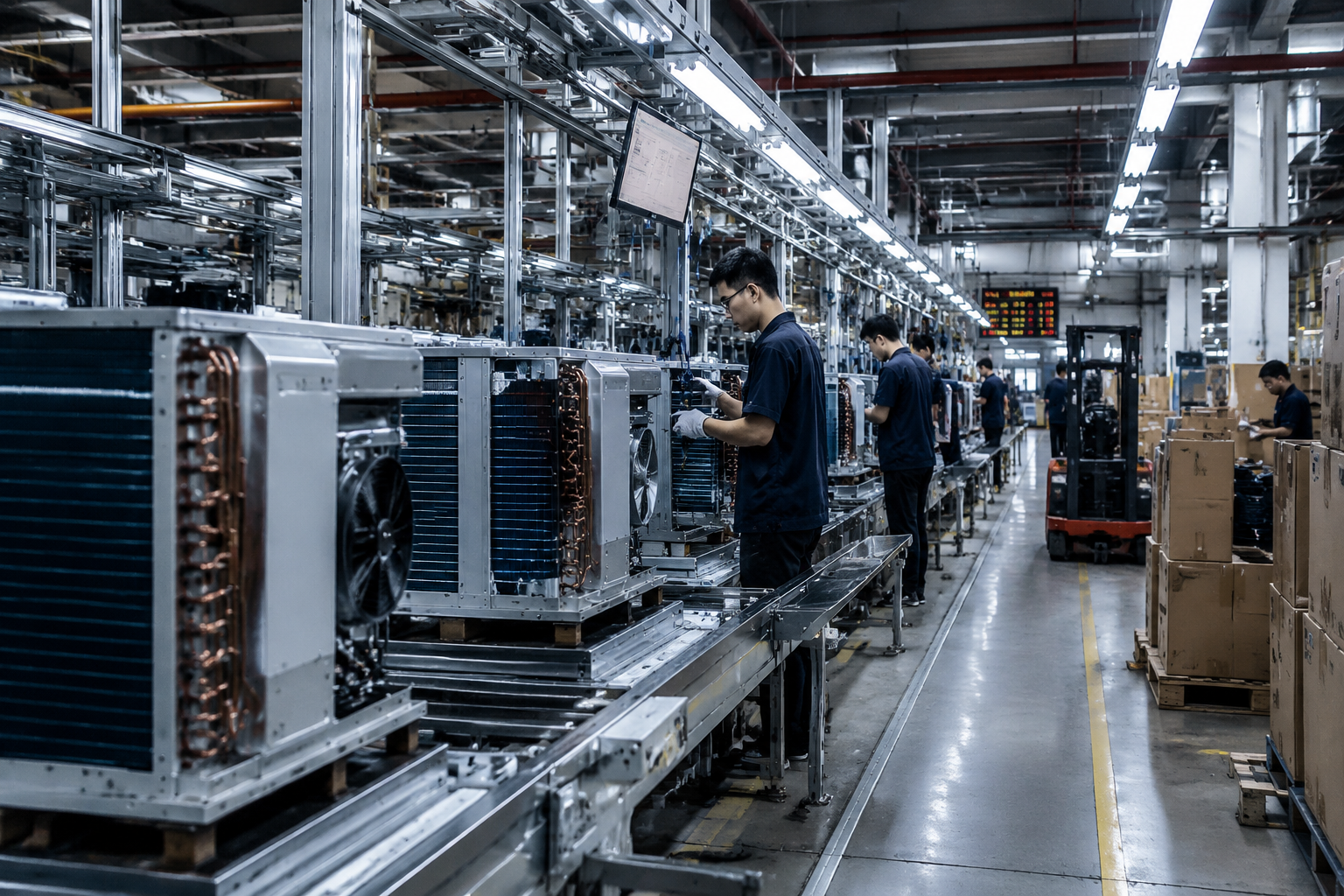
At iClima, we help corporate distributors and wholesalers build highly profitable private labels. Our professional service team guides you through the whole buying process. You can choose the panel design, the custom packaging, and the smart features. We make your custom products in our advanced production lines. By combining our TCL-backed quality with your unique brand name, you win the local market safely and profitably.
Conclusion
Sourcing heat and cool window units with low MOQs and OEM customization minimizes your business risk. Partner with a reliable factory to build your own profitable, year-round air conditioning brand today.
-
"Heat Pump Systems – Department of Energy", https://www.energy.gov/energysaver/heat-pump-systems. Government and technical sources explain that heat pumps transfer heat from outdoors to indoors (rather than generating heat resistively) and commonly deliver more heat per unit of electrical input (coefficient of performance, COP > 1), which can result in lower electricity consumption compared with resistive electric heating; actual energy savings depend on climate, unit COP, and installation conditions. Evidence role: mechanism; source type: government. Supports: A heat pump moves heat from the outside air into the room. This process uses much less power.. Scope note: Does not guarantee specific percent savings for every model or climate; savings vary by COP, ambient temperature, and installation quality. ↩